
How To
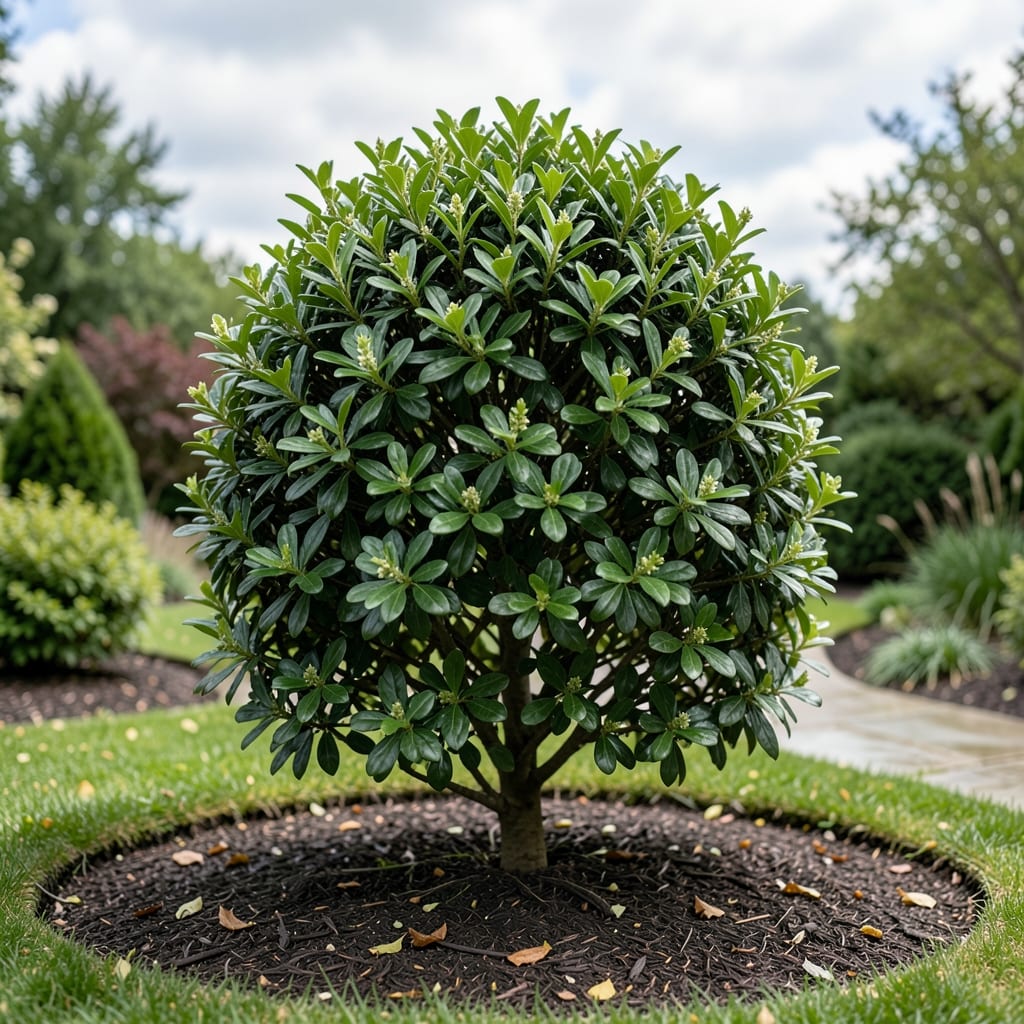
Wondering how tall boxwood grow before planning your next landscaping project? These evergreen shrubs can range from compact 1-foot dwarfs to towering 15-foot giants, making them incredibly versatile for any garden design.
Whether you're aiming for a formal hedge or a natural border, understanding the mature height of boxwood varieties is the key to creating a cohesive look. Some stay low and bushy, perfect for edging walkways, while others reach impressive heights, ideal for tall hedges or privacy screens.
In this guide, I'll break down the height differences between popular boxwood types and share expert tips on controlling their growth. From soil prep to pruning techniques, you'll learn how to keep your boxwoods at your desired height—whether that's a 3-foot accent plant or a 10-foot statement piece.
The secret to managing boxwood height lies in proper care and variety selection. Let's explore how to choose the right type for your space and maintain it beautifully year after year.

Boxwood height by variety: dwarf to towering options
Boxwoods come in a stunning array of sizes, from tiny dwarf varieties perfect for edging to towering standard types that create dramatic hedges. The key to choosing the right one lies in understanding how tall each variety grows at maturity—and how that fits your garden vision.
For example, ‘Green Velvet’ stays compact at just 18–24 inches, ideal for borders, while ‘American Holly’ can reach 10–15 feet, making it a statement piece for privacy screens. Let’s explore the most popular varieties and their mature heights to help you pick the perfect fit.
When selecting a boxwood, consider both its mature height and how it fits your garden’s scale. A 3-foot variety like ‘Little Gem’ works beautifully in containers, while a 10-foot ‘American Holly’ can create a lush, evergreen backdrop for your patio or driveway.
Pro tip: Always check the spread of the variety too—some boxwoods grow wider than they do tall! For example, ‘Winter Gem’ spreads 3–4 feet, while ‘Green Velvet’ stays narrow at just 2 feet. This matters when planning hedges or tight spaces.
For topiary lovers, ‘Dwarf Burki’ is a favorite because its slow growth and compact size make it perfect for intricate shapes. Meanwhile, ‘Angustifolia’ is a classic choice for traditional hedges due to its upright growth habit and tolerance for hard pruning.
If you’re unsure which variety to choose, start with ‘Winter Gem’ or ‘Kingsville Cary’—both are versatile, disease-resistant, and adapt well to different climates. These varieties also handle urban pollution better than many others, making them ideal for city gardens.
Remember, boxwoods grow at different rates depending on soil quality and sunlight exposure. A well-drained, slightly acidic soil (pH 6.0–6.5) and morning sun will encourage healthier, more compact growth. Avoid heavy clay soils, which can stunt their development.
For a fast-growing option, ‘American Holly’ reaches its full height in 10–15 years, while dwarf varieties like ‘Green Velvet’ may take 5 years to mature. Plan accordingly if you’re aiming for a quick privacy screen!
🌿
How fast do boxwoods grow and what limits their height?
Boxwoods grow at a steady pace, typically adding 12–24 inches per year depending on variety, soil quality, and growing conditions. Dwarf varieties like 'Green Velvet' may only gain 3–6 inches annually, while standard types like 'American Holly' can surge 2 feet or more under ideal circumstances.
The key to controlling their height lies in understanding their natural growth rhythm. Most boxwoods experience their fastest growth during spring and early summer, when temperatures are mild and moisture levels are consistent. Proper care during these months sets the stage for healthy growth throughout the year.
However, growth slows dramatically in late summer and fall as boxwoods prepare for dormancy. This seasonal slowdown is natural, but it’s also why late-season pruning can stunt new growth—cutting back too late removes the energy needed for next year’s expansion.
🌱
Environmental factors play a huge role in how tall your boxwood grows. For instance, full sun exposure can push a standard boxwood to reach its maximum height faster, while shady conditions may keep it more compact. Similarly, well-draining, fertile soil fuels rapid growth, whereas clay-heavy or waterlogged soil can stunt development entirely.
If you’re aiming for a specific height, pruning is your best tool. Regular trimming—especially after the spring flush of growthold wood, as boxwoods struggle to regenerate from heavily pruned areas.
Finally, remember that patience is key. Even fast-growing boxwoods take 3–5 years to reach mature height. Planning ahead ensures your landscaping goals align with their natural growth timeline.
✂️