
Plants
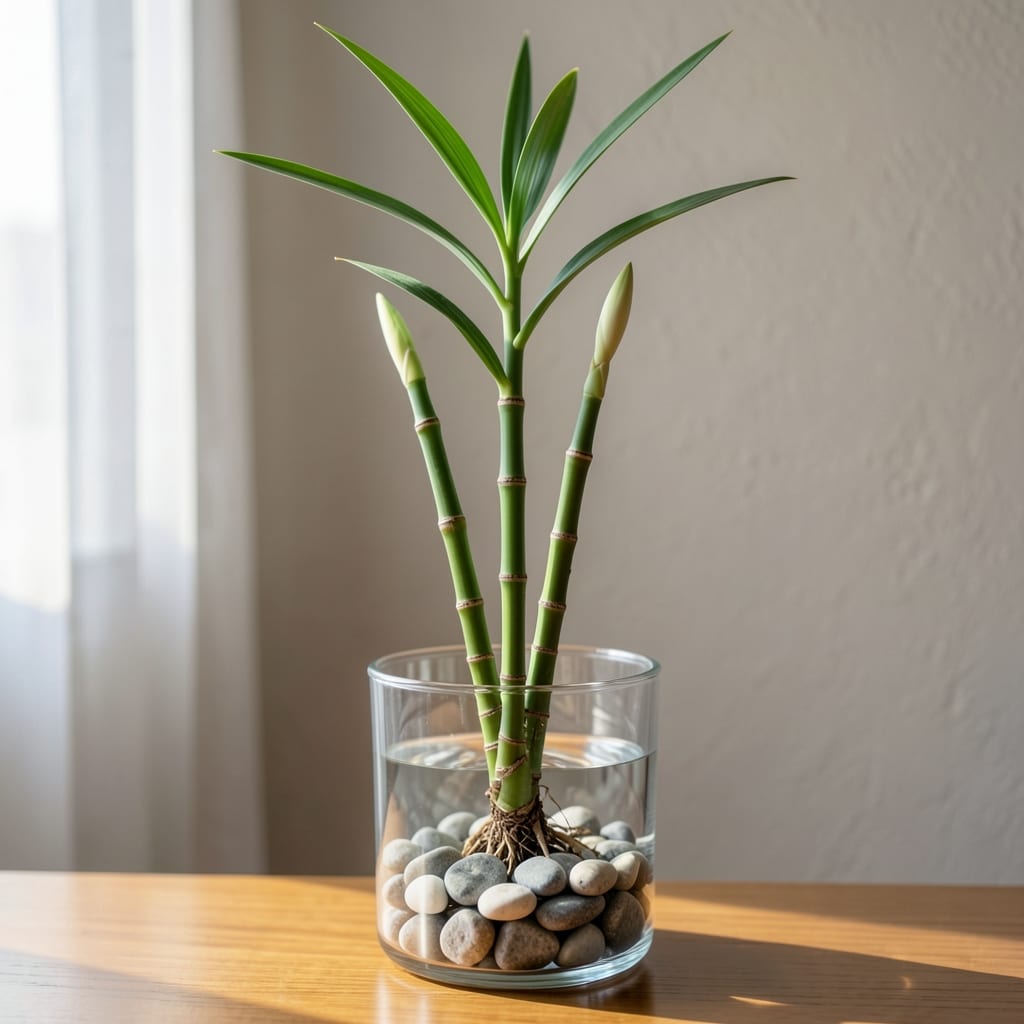
If you’ve ever wondered just how tall a bamboo plant can grow, the answer might blow your mind—some species reach heights that dwarf even the tallest trees in your neighborhood. With Moso bamboo (🌱 Phyllostachys bambusoides) shooting up to 100 feet, it’s no wonder people either dream of a lush green skyscraper or panic about an out-of-control jungle. The good news? Not all bamboo behaves the same, and with the right variety and care, you can enjoy its dramatic beauty without sacrificing your yard.
Bamboo’s growth habits are nothing short of fascinating—some varieties grow 3 feet in a single day, while others stay compact and manageable. Whether you’re aiming for a towering privacy screen or a graceful ornamental feature, understanding the differences between clumping and running types is the key to making it work in your space. Let’s break down what you need to know to choose—and control—the perfect height for your garden.
From dwarf varieties that top out at 6 feet to giants that rival redwoods, bamboo offers a stunning range of options. The right species can transform your outdoor area into a serene retreat or a dramatic focal point, depending on your goals. But before you plant, there are critical factors like soil quality, sunlight exposure, and containment methods that’ll determine whether your bamboo stays easier to manage or turns into an unruly monster.
Ready to discover which bamboo varieties fit your vision—and how to keep them in check? I’ll walk you through the tallest species, their growth quirks, and practical tips to ensure your bamboo stays both breathtaking and well-behaved. Let’s get started!

Bamboo growth heights: from dwarf varieties to 100-Foot giants
When it comes to bamboo height, the possibilities range from compact ornamental varieties to skyscraper-like giants that reach 100 feet or more. The most dramatic examples, like Moso bamboo (Phyllostachys bambusoides), can grow taller than a 10-story building in ideal conditions. But not all bamboo behaves this way—some stay under 6 feet, making them perfect for small gardens or containers.
Understanding these differences is crucial because height isn’t the only factor—growth habits (clumping vs. running) and spread also play a major role in how you’ll manage your bamboo. For instance, running bamboo can spread aggressively, while clumping bamboo stays more contained. Let’s dive into the tallest bamboo species and what you can expect from each.
Here’s a quick look at how bamboo heights compare across species, along with their ideal growing conditions and mature sizes:
| Variety | Mature Height | Growth Rate | Growth Habit | Ideal Climate |
|---|---|---|---|---|
| Moso Bamboo (Phyllostachys bambusoides) | 60–100 ft | 3 ft/day (spring) | Running | USDA Zones 5–9 |
| Giant Timber Bamboo (Dendrocalamus asper) | 50–80 ft | 2 ft/day | Running | Tropical/subtropical |
| Golden Bamboo (Phyllostachys aureosulcata) | 15–25 ft | 1–2 ft/year | Running | USDA Zones 5–10 |
| Bambusa multiplex (Dwarf Bamboo) | 3–8 ft | 6–12 in/year | Clumping | USDA Zones 8–11 |
| Black Bamboo (Phyllostachys nigra) | 15–20 ft | 1–2 ft/year | Clumping | USDA Zones 5–10 |
The Moso bamboo stands out as the undisputed champion of height, capable of reaching 100 feet in just 3–5 years under perfect conditions. This makes it a popular choice for privacy screens or windbreaks, but its aggressive spread means it requires containment methods like root barriers to prevent it from taking over your yard. If you’re in USDA Zones 5–9, this variety is a powerhouse—but it’s not for the faint of heart!
On the other hand, dwarf bamboo varieties like Bambusa multiplex are perfect for small spaces or containers. They top out at just 3–8 feet, making them ideal for balconies, patios, or borders. These types grow slowly and won’t overwhelm your garden, but they still add that lush, tropical vibe without the commitment of a giant.
For those in warmer climates, timber bamboo (Dendrocalamus asper) is another heavyweight, reaching 50–80 feet and often used for construction or landscaping in tropical regions. Its rapid growth and height make it a favorite for large-scale projects, but it’s not suitable for cold climates.
If you’re torn between height and manageability, clumping bamboo like Black Bamboo (Phyllostachys nigra) offers a middle ground. It grows to 15–20 feet but stays contained in one spot, making it easier to control. This variety is also low-maintenance and adds striking dark stems to your garden.
Choosing the right bamboo for your space depends on your climate, yard size, and maintenance tolerance. Whether you’re after a towering giant or a compact accent plant, there’s a bamboo variety that fits your vision. The key is understanding how fast they grow and how to manage their spread before planting.
Next, we’ll explore how bamboo grows so quickly—and what you can do to control its height and spread in your garden. Spoiler: It’s easier than you think!
How fast does bamboo grow—and what controls its height?
Bamboo’s growth speed is one of its most jaw-dropping traits—some species can shoot up 3 feet in a single day during their peak growing season. This rapid expansion is thanks to specialized rhizomes that store energy and fuel explosive vertical growth. But don’t let the speed fool you: not all bamboo grows this fast, and several factors determine whether your plant will become a towering giant or stay compact.
The climate plays a huge role in bamboo’s height potential. Tropical and subtropical regions provide the ideal conditions for rapid growth, while cooler climates may slow things down. For example, Moso bamboo thrives in USDA Zones 5-9 and can reach its full 100-foot potential with enough warmth and moisture. Meanwhile, dwarf varieties like Bambusa multiplex grow just 3-8 feet tall, even in optimal conditions.
🌱
📌 Key Factors Controlling Bamboo Height
- 1. Species Type: Running bamboo (e.g., Phyllostachys) spreads aggressively and grows taller, while clumping bamboo (e.g., Bambusa) stays contained and often shorter.
- 2. Sunlight Exposure: 6+ hours of direct sun fuels rapid growth; partial shade can stunt height by 30-50%.
- 3. Soil Quality: Rich, well-draining soil with organic matter supports taller growth, while poor soil limits height potential.
- 4. Water Availability: Consistent moisture is critical—drought stress can reduce height by up to 40% in some varieties.
- 5. Pruning Practices: Regular pruning of culms (stems) encourages bushier growth but may slightly reduce overall height.
Another common myth is that all bamboo is invasive. While running bamboo (like Phyllostachys aureosulcata) can spread aggressively, clumping bamboo forms tight clusters and stays in place. If you’re worried about containment, opt for clumping types or install underground root barriers for running varieties. I’ve seen firsthand how a simple 3-foot-deep barrier can prevent bamboo from encroaching on driveways or neighboring properties.
For home gardeners, managing bamboo height often comes down to spacing and pruning. Planting running bamboo 10+ feet from structures gives it room to grow vertically without becoming a nuisance. Meanwhile, pruning older culms (those over 3 years old) in early spring encourages new, younger shoots to grow taller and healthier. Just be sure to wear gloves—bamboo can be sharp and abrasive!
If you’re aiming for a privacy screen, taller varieties like Dendrocalamus asper (which can reach 60 feet) are perfect, but they’ll need ample space and regular maintenance. For smaller yards, semi-dwarf varieties (8-15 feet) offer a dramatic look without overwhelming your landscape. The key is to match the species to your space and commit to the care it requires.
🌿