
Plants
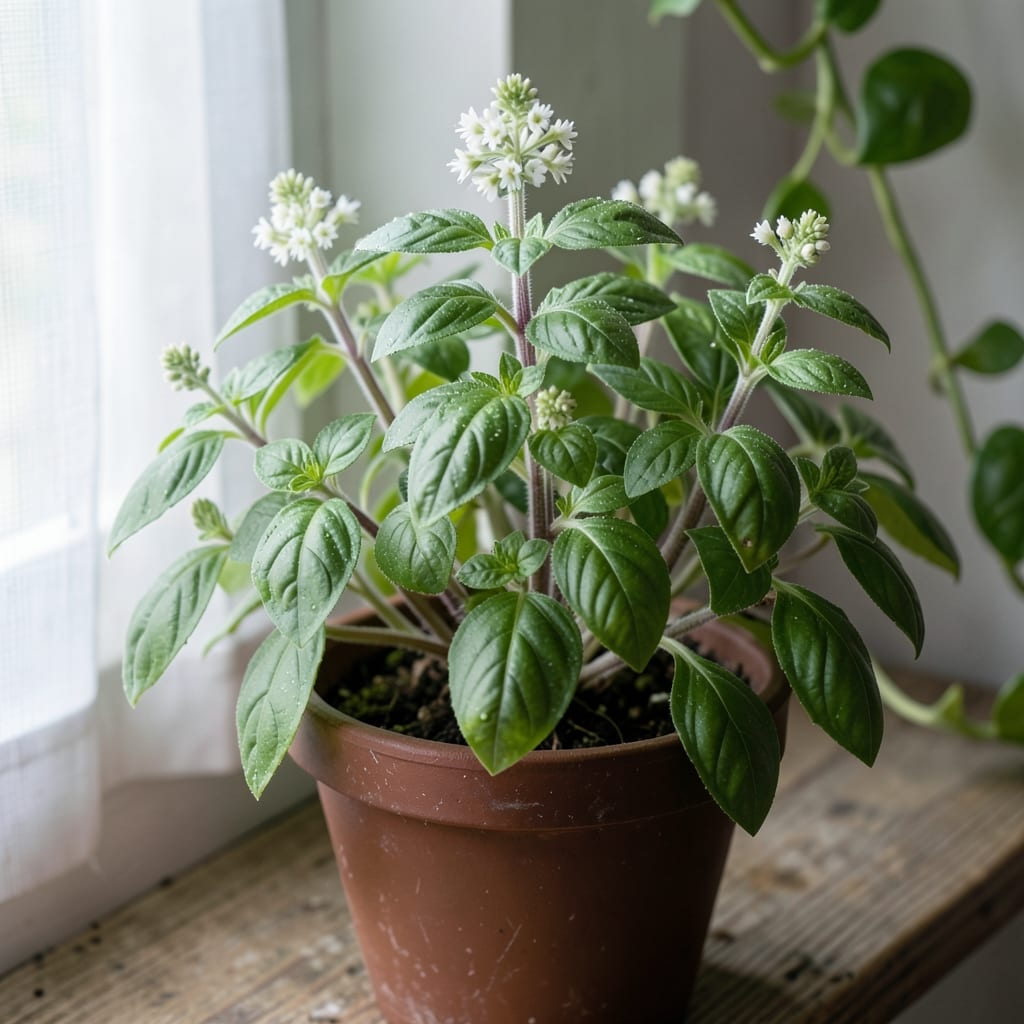
Did you know how tall a basil plant can grow isn’t just luck—it’s a mix of genetics and care that can turn a 12-inch dwarf into a towering 2-foot giant? Whether you’re growing sweet basil 🌿 for pesto or Thai basil for Thai dishes, understanding how tall it can grow is the first step to unlocking its full potential.
Most basil varieties fall between 12 and 24 inches, but dwarf types stay compact at just 8–12 inches, while bush varieties can stretch toward 3 feet if left unchecked. The key? Pruning, sunlight, and even the pot you choose all play a role in whether your basil reaches its ceiling—or stays stubbornly short.
If you’ve ever pinched back your basil only to watch it bolt upward or flop over, you’re not alone. I’ll break down how to control its growth—whether you want a neat, bushy plant for containers or a tall harvest for your kitchen. Ready to stop guessing and start growing?
Let’s dive into the secrets behind basil’s height, from variety selection to the pruning tricks that keep it at your ideal size—no matter how much space you’ve got.


Basil plant height by variety: from compact dwarf to towering giants
If you’re curious about how tall a basil plant can grow, the answer starts with the variety you choose. Some basil types stay neatly compact, while others reach skyward if given the chance. For example, dwarf basil varieties like 'Spicy Globe' max out at just 8–12 inches, making them perfect for windowsills or small containers. Meanwhile, standard sweet basil like 'Genovese' can easily stretch to 18–24 inches when grown in ideal conditions.
But why does height vary so much? The difference lies in genetics—some varieties are bred to stay short and bushy, while others grow tall and leggy. Even within the same variety, factors like sunlight, pruning, and soil quality can push a plant toward its upper or lower height limit. For instance, Thai basil often grows taller than sweet basil, reaching 2–3 feet if left unpruned, while purple basil tends to stay mid-height at 12–18 inches.
Here’s the kicker: bush basil varieties like 'Minaret' or 'Red Ruby' are genetically programmed to branch out early, creating a fuller, shorter plant. These types rarely exceed 18 inches and are ideal for container gardening. On the flip side, tall-growing varieties like 'Mammoth' basil can top out at 3 feet or more, but they require staking or pruning to prevent flopping over.
Understanding these differences helps you pick the right basil for your space. If you’re short on room, a dwarf or bush variety will save you from dealing with a towering herb. But if you love harvesting large leaves for pesto, a taller variety might be worth the extra height—just be ready to train it!
| Variety | Typical Height | Growth Habit | Best For |
|---|---|---|---|
| Sweet Basil (Genovese) | 18–24 inches | Tall, upright | Pesto, large harvests |
| Dwarf Basil (Spicy Globe) | 8–12 inches | Compact, bushy | Containers, windowsills |
| Thai Basil | 2–3 feet | Tall, leggy | Stir-fries, Asian dishes |
| Purple Basil | 12–18 inches | Medium, bushy | Garden beds, ornamental use |
| Bush Basil (Minaret) | 12–18 inches | Bushy, wide-spreading | Containers, small gardens |
Now that you know the height ranges, here’s a pro tip: container size matters. If you plant a tall variety like Genovese in a 5-gallon pot, it’ll have room to grow to its full height. But cram it into a small 1-gallon container, and you’ll stunt its growth—often forcing it to stay under 12 inches even if it’s genetically taller. Root-bound basil also grows slower and shorter, so always choose a pot at least 12 inches deep for standard varieties.
Another factor? Sunlight exposure. Basil grown in partial shade may only reach 50–70% of its potential height compared to plants basking in full sun. For example, a Genovese basil in shade might max out at 12 inches instead of its usual 24 inches. That’s why I always place my basil in the sunniest spot in my garden—it’s the secret to unlocking those extra inches of growth!
Finally, don’t forget that pruning habits can dramatically alter height. If you never prune, your basil will grow tall and leggy, often flowering early and tasting bitter. But with regular pinching, you can keep it bushy and compact, even for taller varieties. I’ll cover pruning tricks in the next section, but for now, remember: height isn’t set in stone—it’s a mix of genetics, care, and a little bit of luck!
Ready to pick your perfect basil? Whether you’re dreaming of a towering harvest or a neat, compact plant, knowing your variety’s height range is the first step to success. 🌿
How pruning and care control basil plant height (and when to stop)
Pruning isn’t just about keeping your basil tidy—it’s the secret weapon for controlling its height. When you pinch back the top sets of leaves, you’re telling the plant to branch out instead of shooting upward. This simple trick can turn a leggy 18-inch basil into a bushy 12-inch powerhouse perfect for containers or small gardens.
Start pruning when your basil reaches 6 inches tall. Use clean scissors or your fingers to snip off the top pair of leaves just above a set of leaves. This encourages lateral growth, creating a fuller, more compact plant. Repeat every 2–3 weeks during the growing season to maintain your desired height.
If you’re growing basil for harvesting leaves, prune regularly to keep it bushy and productive. But if you want tall stems for cut-and-come-again harvesting, let it grow taller before pruning. Just remember: the longer you wait, the more woody the stems become, reducing flavor and usability.
🌿 Step-by-Step Pruning Guide for Basil Height Control
- Wait until 6 inches tall before first prune.
- Pinch or cut top 2 leaves above a leaf node.
- Repeat every 2–3 weeks for bushier growth.
- For tall stems, prune less frequently but harvest leaves early.
- Remove flower buds immediately to prevent bolting.
Sunlight is another critical factor in basil height. Full sun (6+ hours daily) encourages upward growth, while partial shade can stunt it. If your basil starts stretching toward the light (a sign of etiolation), move it to a sunnier spot or supplement with a grow light for 12–14 hours a day.
Soil nutrients also play a role. Over-fertilizing with high-nitrogen feeds can lead to lush leaves but weak stems, causing the plant to flop. Instead, use a balanced fertilizer (10-10-10) every 4–6 weeks and focus on well-draining soil to keep roots healthy and sturdy.
Finally, the container size matters. Basil in a 5-gallon pot will grow taller than in a 1-gallon container. If you’re growing in pots, choose one at least 12 inches wide and deep to support healthy root development and prevent height limitations.