
How To
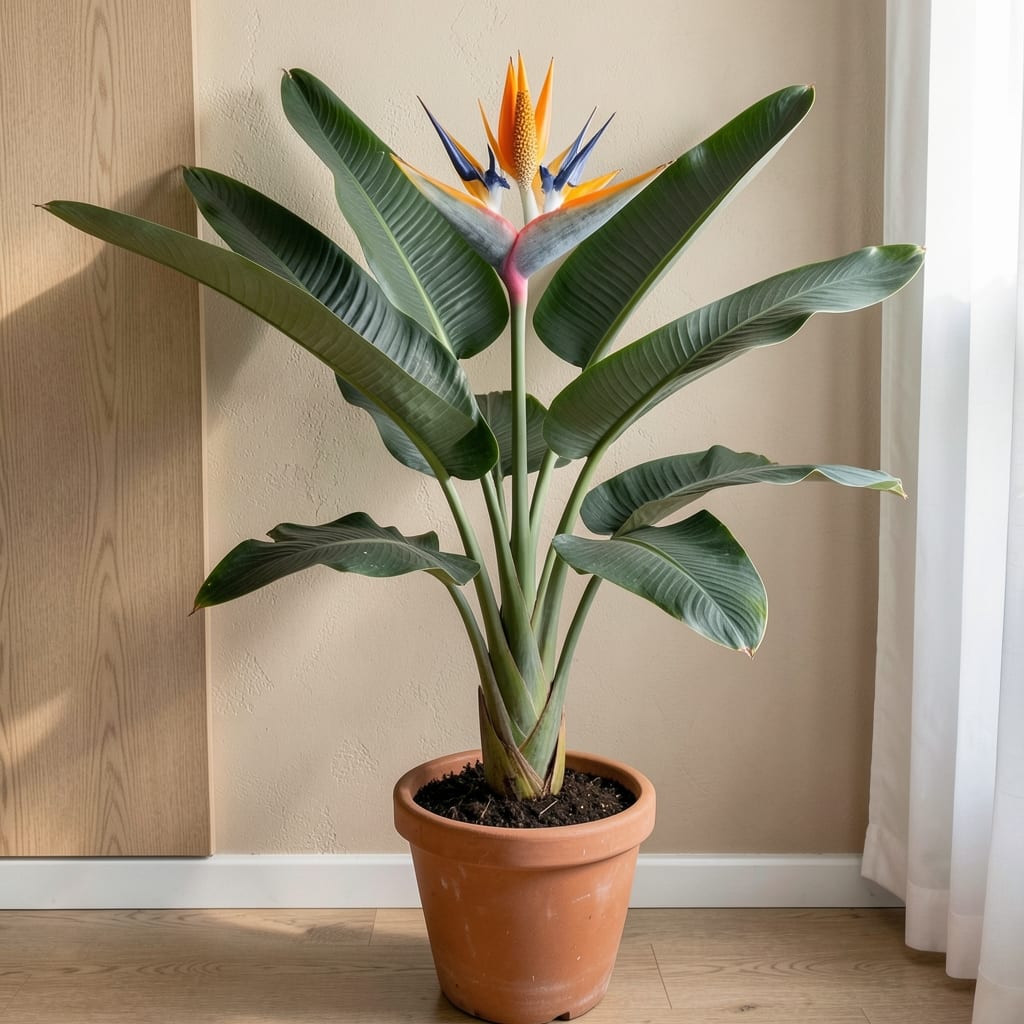
If you're wondering how tall a Bird of Paradise 🌺 can grow, the answer might surprise you—this tropical stunner can reach heights of up to 12 feet in ideal conditions, but size isn't the only factor to consider.
Whether you're dreaming of a dramatic backyard centerpiece or a statement indoor plant, understanding the growth potential of Strelitzia reginae and its cousins is key. Some varieties stay compact, while others shoot up like jungle giants, and the right care can make all the difference.
From sunny patios to shaded corners, we'll break down how sunlight, soil, and climate influence your Bird of Paradise's height. You'll also discover how to manage growth for smaller spaces—because even towering plants can fit your vision with the right tricks.
Ready to transform your garden or home with this showstopper? Let's dive into the heights, varieties, and care secrets that'll help you grow the perfect Bird of Paradise for your space.

Bird of Paradise height by variety: from compact to towering giants
The Bird of Paradise (Strelitzia reginae) is famous for its striking orange and blue blooms, but its height can vary dramatically depending on the variety. Some stay under 6 feet, while others reach 12 feet or taller—making it a versatile choice for both small patios and large landscapes.
Not all Bird of Paradise plants are created equal. The classic type (Strelitzia reginae) is the most common, but other species like Strelitzia nicolai and Strelitzia caudata offer different heights and growth habits. Even within a single species, dwarf cultivars can stay manageable for containers.
Here’s how the most popular varieties compare in terms of mature height and growth habits:
| Variety | Mature Height | Growth Rate | Best For |
|---|---|---|---|
| Strelitzia reginae (Classic) | 8–12 ft | Moderate (1–2 ft/year) | Large gardens, tropical landscapes |
| Strelitzia nicolai (Giant White) | 10–20 ft | Fast (2–3 ft/year) | Large estates, tropical climates |
| Strelitzia caudata (Dwarf) | 4–6 ft | Slow (6–12 in/year) | Containers, small patios |
| 'Paradise Dwarf' (Cultivar) | 3–5 ft | Slow (6 in/year) | Indoor pots, urban gardens |
| 'Mandarin' (Orange Hybrid) | 6–8 ft | Moderate (1 ft/year) | Medium-sized yards, containers |
The classic Bird of Paradise (Strelitzia reginae) is the most widely grown variety, often reaching 8–12 feet in ideal conditions. If you’re short on space, the 'Paradise Dwarf' cultivar is a fantastic choice, staying under 5 feet while still producing those iconic blooms.
For those in USDA Zones 9–11, the Giant White (Strelitzia nicolai) can become a true jungle giant, towering over 15 feet in just a few years. However, it’s less cold-hardy and best suited for warmer climates.
If you’re growing your Bird of Paradise in a container, expect slightly slower growth due to root restriction. A 15-gallon pot can support a dwarf variety for years, while larger containers (30+ gallons) are needed for standard types to reach their full height.
Pro tip: Prune in late winter to control height and encourage bushier growth. This works especially well for indoor plants or those in small gardens where you want to keep the plant manageable.
🌿
Key factors that determine how tall your Bird of Paradise will grow
Your Bird of Paradise's height isn't just about genetics—it's a mix of sunlight exposure, soil quality, and container size. In full sun, these plants grow aggressively, while shade slows their vertical climb. Even the hardiest varieties like Strelitzia nicolai can stay shorter if deprived of light.
Soil drainage plays a critical role too. Poorly draining soil stunts root development, limiting height potential. Amend your soil with perlite or sand to encourage deeper roots, which support taller growth. I've seen potted Bird of Paradise plants reach 6 feet in 3 years with the right soil mix!
Container size matters dramatically for potted plants. A 15-gallon pot restricts roots, capping height at 5-6 feet, while in-ground planting lets roots spread freely, fueling 10+ foot growth. If you're growing indoors, choose the largest container your space allows.
🌱 Growth Factors: Pros & Cons
✅ Growth Boosters
- Full sun (6+ hrs) - Fuels rapid growth
- Well-draining soil - Supports strong roots
- Large containers - Allows height potential
- Balanced fertilizer - Encourages flowering
- Warm climate (Zones 9-11) - Optimal conditions
❌ Growth Inhibitors
- Partial shade - Slows vertical growth
- Compacted soil - Restricts root expansion
- Small pots - Limits mature height
- Overwatering - Causes root rot
- Cold climates (Zones 8 and below) - Needs winter protection
Climate zone is another game-changer. In USDA Zones 9-11, Bird of Paradise thrives year-round, reaching maximum heights of 10-12 feet. But in cooler zones like Zone 8, growth slows dramatically unless you provide winter protection. I've seen plants in Zone 7 grow only 3-4 feet tall without proper winter care.
Watering habits also influence height. Deep, infrequent watering encourages deeper root systems, while shallow watering keeps roots near the surface, limiting height potential. Aim for 1-1.5 gallons per week during growing season, adjusting for container size.
Don't forget about pruning habits—regular trimming can keep even fast-growing varieties manageable. With the right balance of sun, soil, and care, you can grow a Bird of Paradise that perfectly fits your space, whether you want a 6-foot patio statement or a 12-foot jungle giant.