
Trees
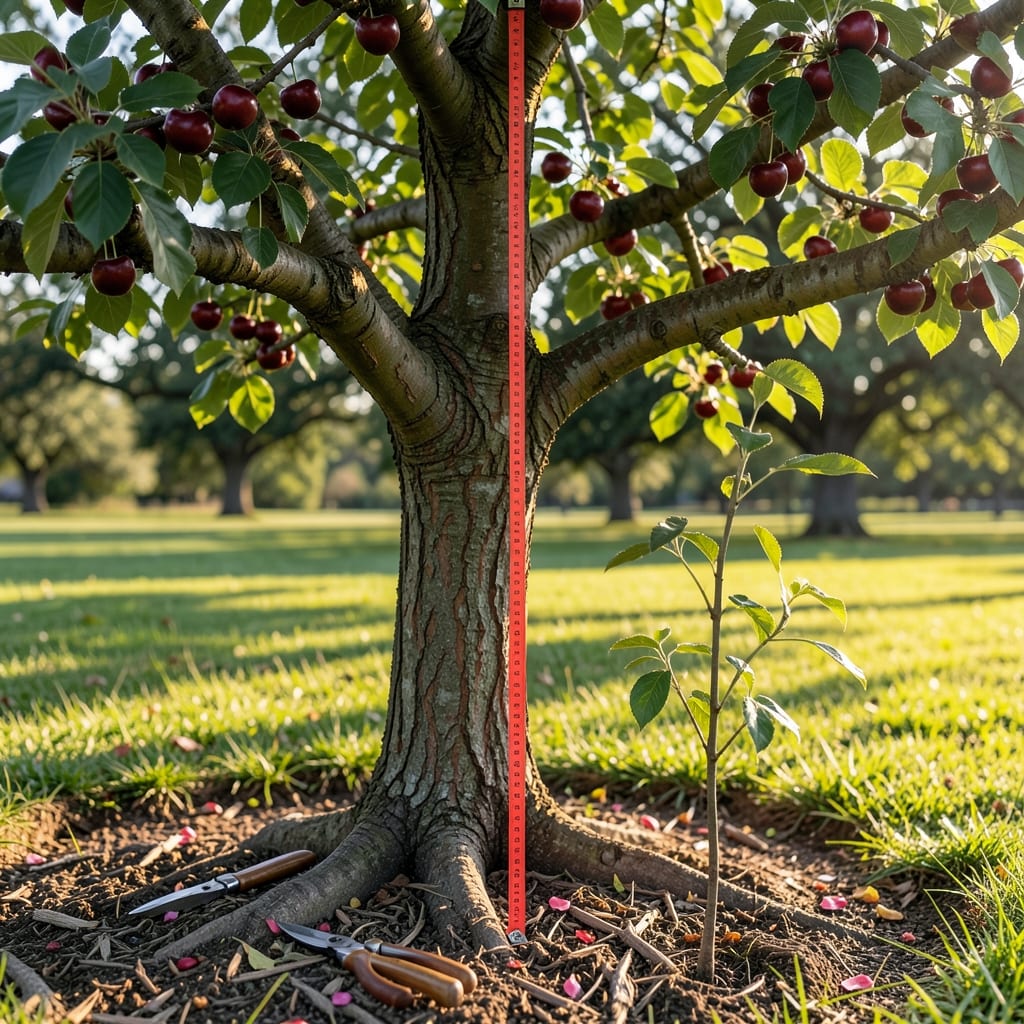
If you’ve ever dreamed of plucking fresh 🍒 cherry tree fruit from your backyard, you’ve probably wondered just how tall these beauties can grow. The answer isn’t one-size-fits-all—some varieties stretch toward the sky like skyscrapers, while others stay compact enough for even the smallest gardens.
Whether you’re envisioning a towering sweet cherry or a manageable sour cherry, understanding the growth potential is key. Standard cherry trees can reach 20 to 40 feet, while dwarf varieties stay under 12 feet, making them perfect for urban spaces or containers. The right choice depends on your space, climate, and even your pruning habits.
But here’s the catch: soil quality, sunlight, and pruning techniques all play a role in shaping your tree’s height. A well-maintained cherry tree in USDA Zone 6a can thrive for decades, but neglect can turn a manageable shrub into an unruly giant. I’ll break down the factors that influence growth and share practical tips to keep your cherry tree at your desired height.
Ready to plan your perfect cherry tree? Let’s explore the varieties, growth conditions, and pruning secrets that will help you grow the tree of your dreams—whether you want a shade-providing giant or a fruit-bearing dwarf. Your backyard (and your future cherry pies) will thank you!

Cherry tree mature heights by variety: dwarf to giant options
Choosing the right cherry tree variety is the first step in controlling its height. Standard sweet cherry trees like Bing or Rainier can soar to 25-40 feet, while sour cherry varieties such as Montmorency typically reach 15-25 feet. But don’t let these numbers intimidate you—dwarf and semi-dwarf options exist for smaller spaces.
If you’re working with limited space, consider dwarf cherry trees grafted onto Pisum or Mazzard rootstock. These stay between 8-12 feet tall, making them ideal for containers or urban backyards. Semi-dwarf varieties, like Stella or Lapins, grow to 12-18 feet—a happy medium for medium-sized gardens.
Ornamental cherry trees, such as Prunus serrulata (Japanese cherry), can reach 30-40 feet, but their stunning spring blooms often justify the space. Always check the rootstock type when shopping—it directly impacts mature height.
Here’s a quick comparison to help you visualize your options:
| Variety | Type | Mature Height | Best For |
|---|---|---|---|
| Bing | Sweet Cherry | 25-40 ft | Large gardens, full sun |
| Montmorency | Sour Cherry | 15-25 ft | Medium spaces, pies |
| Stella | Dwarf Sweet | 8-12 ft | Containers, patios |
| Prunus serrulata | Ornamental | 30-40 ft | Landscaping, shade |
| Lapins | Semi-Dwarf | 12-18 ft | Small yards, fruit |
For small gardens, prioritize dwarf varieties like Balaton or Sweetheart, which thrive in 5-gallon containers. These are perfect if you want cherry fruit without sacrificing patio space. Just ensure your container has drainage holes and use a high-quality potting mix.
If you’re planting for ornamental value, varieties like Kwanzan cherry or Autumnalis offer stunning blooms but require more space. Their height and spread (up to 25 feet wide) make them better suited for landscape focal points rather than tight backyards.
Pro tip: Always check the nursery label for rootstock details. A dwarf rootstock can turn a standard-sized tree into a manageable shrub, while a vigorous rootstock will encourage rapid growth. Your local cooperative extension office can help match varieties to your climate.
Remember, even dwarf trees need proper care to stay compact. Regular pruning and balanced fertilization will keep them healthy and within your desired height range. Next, we’ll dive into the factors that influence cherry tree height, so you can set your tree up for success from day one.
Factors that influence cherry tree height: soil, pruning, and climate
Your cherry tree’s mature height isn’t just determined by its variety—soil quality, pruning habits, and climate conditions play equally important roles. A tree planted in nutrient-rich, well-draining soil with proper sunlight will grow taller and stronger than one struggling in compacted or poor-quality soil. Even the best dwarf variety can outgrow its expected height if given ideal conditions.
Let’s start with soil composition. Cherry trees thrive in slightly acidic to neutral soil (pH 6.0-7.0). If your soil is too alkaline or clay-heavy, root growth slows, limiting the tree’s ability to reach its full potential height. Amending the soil with compost or organic matter before planting can make a noticeable difference in growth rate. I’ve seen dwarf cherry trees grow 20% taller in just one season after improving their soil!
Next, consider pruning techniques. Regular pruning isn’t just about shaping—it’s a tool for controlling height. Heading back (cutting back the tips of branches) encourages bushier growth, while thinning cuts (removing entire branches) promotes upward growth. If you want to keep your tree compact, prioritize summer pruning to limit vertical growth. Avoid heavy pruning in late winter, as this can stimulate rapid spring growth that may exceed your desired height.
Here are the key factors that directly impact your cherry tree’s height, ranked by influence:
The foundation of your tree’s growth. Dwarf rootstock (e.g., Gisela 5) keeps trees under 12 feet, while standard rootstock (Mazzard) allows 25-40 feet of growth.
Poor drainage or compacted soil stunts root development, limiting height. Well-draining, loamy soil with organic matter supports faster, taller growth.
Aggressive pruning early on can reduce mature height by 30-50%. Thinning cuts encourage upward growth, while heading cuts promote bushiness.
Cherry trees need 6-8 hours of full sun daily. Less sunlight = slower growth and reduced height potential. Shade-tolerant varieties (like Montmorency) still grow taller with adequate light.
Deep, infrequent watering encourages deeper root growth, supporting taller trees. Overwatering or shallow watering leads to weak roots and stunted growth.
Trees in warmer climates (Zones 7-9) grow faster and taller than those in colder zones (Zones 5-6). Late frosts can also limit height by damaging early growth.
Climate is another critical factor. Cherry trees in USDA Zones 5-8 grow best, but their height varies by zone. For example, a Bing cherry tree in Zone 7 might reach 35 feet, while the same tree in Zone 5 could max out at 25 feet due to slower growth. If you’re in a cooler climate, choose cold-hardy varieties like Stella or Lapins, which grow more slowly but reliably.
Don’t overlook the role of fertilization. Over-fertilizing with high-nitrogen products can lead to excessive leafy growth at the expense of height control. Instead, use a balanced fertilizer (10-10-10) in early spring and light applications during summer to support steady, controlled growth. I’ve seen gardeners accidentally turn 8-foot dwarf trees into 15-foot monsters by over-fertilizing!
Finally, pest and disease pressure can indirectly affect height. Trees weakened by cherry leaf spot or borer infestations grow more slowly and may never reach their expected mature height. Regular inspections and preventative sprays (like neem oil) keep your tree healthy and on track for its full growth potential.
By understanding these factors, you can actively manage your cherry tree’s height—whether you want a towering shade tree or a compact patio fruit producer. Next, we’ll cover seasonal pruning techniques to fine-tune your tree’s height year-round.