
Size
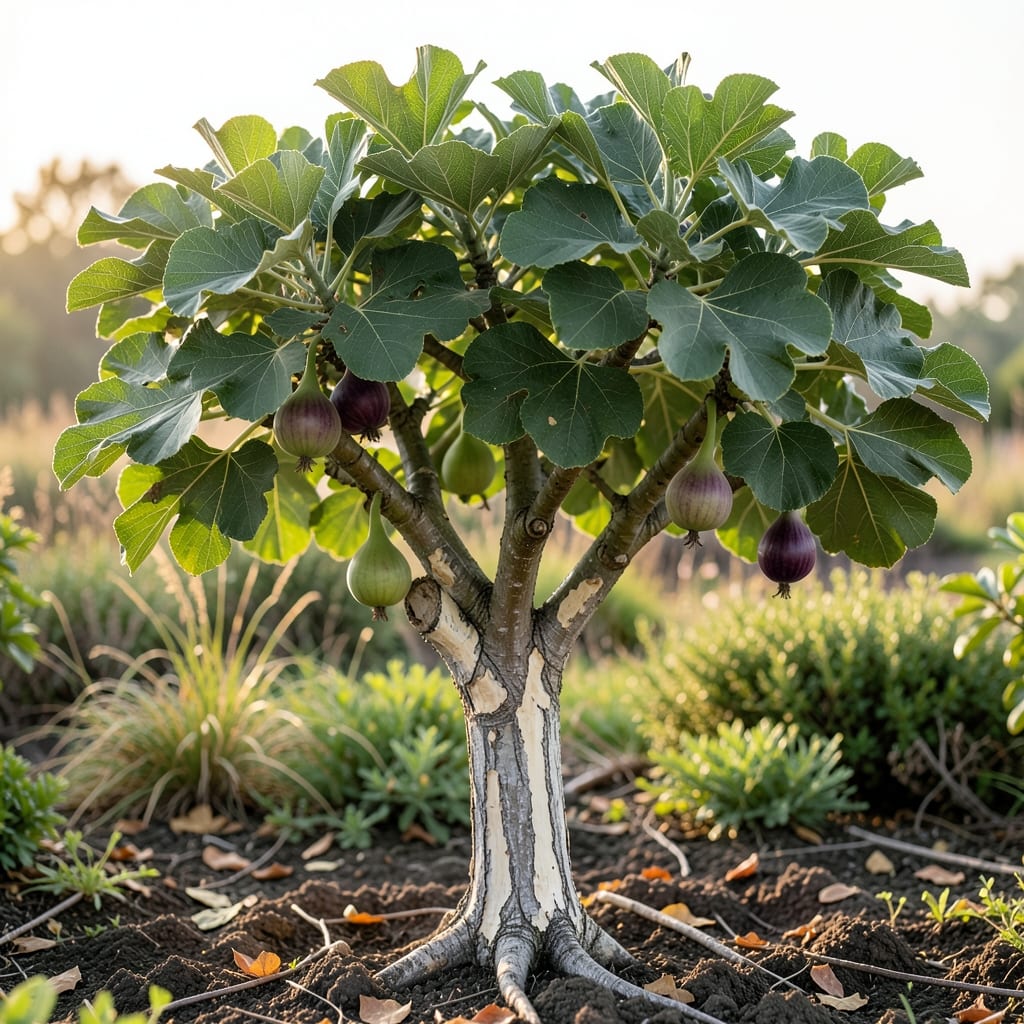
Fig tree height by variety: from dwarf to 100-Foot giants
Fig trees are nature's skyscrapers—some varieties stretch toward the sky like ancient sentinels, while others stay compact enough for your backyard. The height of a fig tree depends entirely on its variety, with differences ranging from dwarf varieties under 10 feet to towering giants that reach 100 feet in ideal conditions. Whether you're dreaming of a shade canopy or a container-friendly patio tree, choosing the right cultivar is key to managing your garden's vertical space.
Most home gardeners plant standard fig trees, which typically mature between 20 to 30 feet, making them perfect for large yards or as focal points in Mediterranean-style landscapes. But if you're working with limited space, dwarf varieties like 'Little Miss Figgy' or 'Osborn Prolific' stay under 8 feet, while semi-dwarf types like 'Brown Turkey' reach 12 to 18 feet. The real giants? Ficus carica varieties like 'Celeste' or 'Violette de Bordeaux' can soar past 50 feet in warm climates, with some historic specimens documented at 100 feet or more.
🌱
| Variety | Mature Height | Growth Habit | Ideal Climate |
|---|---|---|---|
| Little Miss Figgy | 6–8 ft | Bushy, compact | USDA Zones 7–11 |
| Osborn Prolific | 8–10 ft | Upright, spreading | USDA Zones 7–11 |
| Brown Turkey | 12–18 ft | Vigorous, spreading | USDA Zones 7–11 |
| Celeste | 30–50 ft | Fast-growing, tall | USDA Zones 8–11 |
| Violette de Bordeaux | 50–100 ft | Massive, spreading | USDA Zones 8–11 |
| Chicago Hardy | 15–20 ft | Cold-hardy, upright | USDA Zones 4–9 |
If you're planning your garden layout, consider the growth rate of your chosen fig tree. Dwarf varieties like 'Little Miss Figgy' grow just 1–2 feet per year, while standard types like 'Brown Turkey' can add 3–5 feet annually in ideal conditions. The fastest growers, like 'Celeste' or 'Violette de Bordeaux', may surge 5–8 feet per year when given plenty of sunlight, water, and nutrient-rich soil. This rapid growth is why some historic fig trees in Mediterranean regions have become living landmarks, with trunks wider than a person's height.
For urban gardeners or those with small yards,
How to control fig tree height: pruning, training, and container growing
Want to keep your fig tree from becoming a backyard skyscraper? You’re not powerless—pruning, training, and container growing give you full control over its height. Whether you’re working with a dwarf variety or a fast-growing giant, these techniques let you shape your tree to fit your space, whether that’s a balcony pot or a sunny corner. The key is timing: prune at the right season, and your fig tree will stay exactly where you want it.
For height control, the best time to prune is late winter or early spring, just before new growth begins. This is when your fig tree is still dormant but ready to respond to your cuts. Aim to remove 1/3 of the tree’s height in one session if needed—this encourages bushier growth and prevents vertical dominance. Use clean, sharp pruners to make cuts just above a bud or branch collar, and always sterilize your tools between cuts to avoid disease.
🌱
- 🌿 Step 1: Assess Your Tree – Identify wild, vertical branches that contribute to height. Look for suckers (shoots from the base) and water sprouts (fast-growing vertical shoots).
- 🪴 Step 2: Prune for Shape – Cut back overly tall branches to 1/3 of their length, focusing on the top third of the tree. This redirects energy to horizontal branches for better fruit production.
- ✂️ Step 3: Thin Out Crowded Branches – Remove crossing or rubbing branches to improve airflow and reduce disease risk. Aim for an open, vase-like shape for dwarf varieties.
- 🌳 Step 4: Train for Compact Growth – Use espalier techniques to guide branches along a trellis or fence. This keeps the tree low to the ground while maximizing fruit exposure to sunlight.
- 📋 Step 5: Container Pruning Tips – If growing in a pot, prune roots every 2–3 years to prevent overgrowth. Use well-draining soil and larger containers (at least 18 inches deep) for dwarf varieties.
If you’re growing figs in containers, height control becomes even easier. Dwarf varieties like ‘Little Miss Figgy’ thrive in 5-gallon pots, while semi-dwarf types like ‘Osborn Prolific’ need 15–20 gallon containers. The secret? Root pruning. Every spring, gently trim circumferential roots (roots circling the pot) to encourage shallower, bushier growth. Pair this with regular fertilization (every 4–6 weeks in spring/summer) to keep your tree compact and productive.
For espalier training, install a strong trellis or wire frame near your fig tree in early spring. Gently tie horizontal branches to the trellis, spacing them 12–18 inches apart. This method is perfect for small spaces and even allows you to grow figs along a fence or wall. Just remember: patience is key—it can take 1–2 years to train a fig tree into a flat, decorative shape, but the results are worth it.
One final tip: avoid heavy pruning in fall or winter, as this can stress the tree and reduce next year’s fruit production. Instead, focus on light maintenance pruning during these seasons to remove dead or diseased branches. With the right techniques, your fig tree will stay exactly the size you want—whether that’s a 6-foot patio tree or a 10-foot shade provider. 🌿