
Flowers
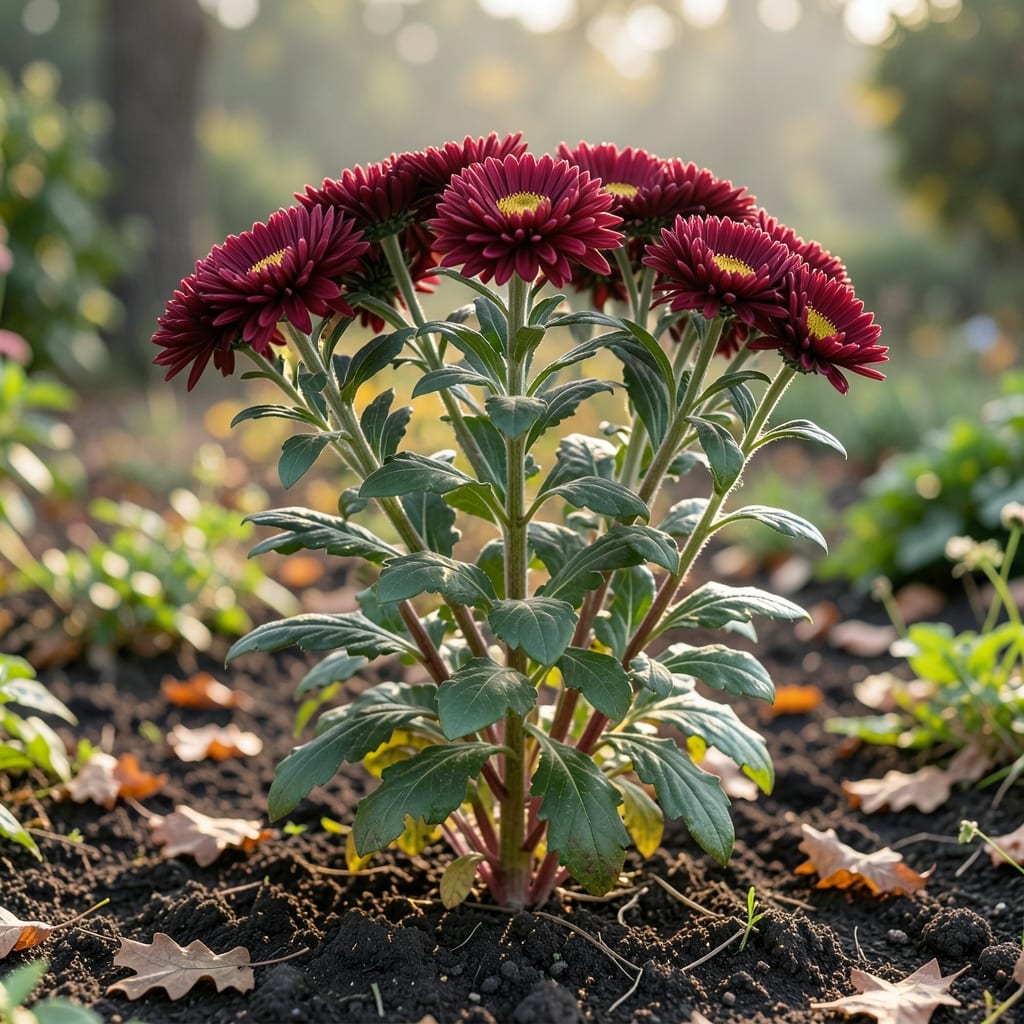
Have you ever wondered how tall can a florist's chrysanthemum grow when it bursts into those stunning blooms? The answer might surprise you—these plants can stretch from compact 8-inch dwarfs to towering 3-foot giants, all depending on the variety and care you provide.
If you're dreaming of a lush, low-maintenance border or a dramatic centerpiece for your garden, understanding height ranges is the key. Some varieties stay neatly contained, while others reach for the sky—literally. The good news? With the right pruning and sunlight, you can steer their growth exactly where you want it.
But here's what most gardeners don't realize: height isn't just about genetics. Soil quality, watering habits, and even when you pinch those early stems can make all the difference. Whether you're working with USDA Zone 6a conditions or container gardening, these tips will help you coax out the perfect size for your space.
Ready to unlock the secrets behind bushier blooms and controlled growth? Let's dive into how to grow your Florist's Chrysanthemum to its ideal height—no guesswork required.


Florist’s chrysanthemum height zones: dwarf to giant varieties explained
Florist’s chrysanthemums (Chrysanthemum morifolium) offer a stunning range of heights, from 8-inch dwarfs perfect for window boxes to 3-foot giants that command attention in garden beds. The variety you choose determines their mature size, but even within a single type, pruning and care can adjust growth by 20-30%. For example, a standard variety might reach 3 feet without pruning but stay at 2 feet with regular pinching.
Understanding these height zones helps you plan your garden layout. Dwarf varieties thrive in containers or borders, while taller types make dramatic backdrop plants or cut flower stems. Most florist’s chrysanthemums grow best in USDA Zones 5-10, where they bloom reliably from late summer through fall. Below, we’ll break down the three key height categories and what to expect from each.
🌼
One of my favorite dwarf varieties is ‘Bonanza,’ which stays under 12 inches but bursts with 5-inch blooms. It’s perfect for container gardening on patios or balconies, where space is limited. Meanwhile, the ‘Mammoth’ series can reach 4 feet when given full sun and rich soil—ideal for creating a dramatic focal point in your garden.
Height isn’t the only factor to consider. Growth habit also plays a role in how you’ll use these plants. Dwarf types spread outward, while standard and giant varieties grow taller with fewer lateral branches. This means you’ll need to stake taller varieties to prevent flopping, especially in windy conditions or after heavy rains.
If you’re growing chrysanthemums in containers, dwarf or semi-dwarf varieties are your best bet. They handle root restriction better than taller types, which can become top-heavy and unstable. For in-ground planting, standard or giant varieties shine when placed at the back of borders or along fences. Just remember: the more sunlight they get, the taller they’ll grow—up to 12 inches taller in ideal conditions!
🌿
Choosing the right variety isn’t just about height—it’s also about bloom time and color. Some dwarf types, like ‘Little Princess,’ bloom earlier in the season, while giant varieties often produce their first flowers slightly later. This timing difference can help you create a sequential bloom display that lasts from early September through November.
Pro tip: If you’re unsure which variety to pick, start with a mixed pack of semi-dwarf chrysanthemums. They offer versatility in both height and color, and you can always prune them to fit your space. For example, pinching back the tips of semi-dwarf plants when they’re about 6 inches tall encourages bushier growth** and more blooms at a controlled height.
🪴
Pruning secrets to control height & encourage bushier blooms
One of the easiest ways to manage florist’s chrysanthemum height is through strategic pruning. Whether you want a compact bush or a taller stem for cut flowers, timing and technique make all the difference. I’ve found that pruning in early spring or late summer can shape growth dramatically—just don’t wait until blooms appear!
Start by removing any dead or leggy stems in early spring. This encourages new, bushier growth from the base. For taller varieties, avoid heavy pruning until after the first flush of blooms—this lets the plant focus energy on height before shaping. If you’re growing dwarf varieties, pinch back the tips of young shoots to promote branching and a fuller form.
Here’s the step-by-step process I swear by for bushier blooms without sacrificing height:
Pro tip: Use sterilized pruning tools to prevent disease spread. A quick wipe with rubbing alcohol between cuts keeps your chrysanthemums healthy and thriving. I’ve also noticed that morning pruning reduces stress on the plant, helping it recover faster.
For container gardening, pruning is even more critical since space is limited. Regularly trimming back leggy growth keeps the plant compact and manageable, while still allowing plenty of blooms. Just remember: the more you prune, the more energy the plant puts into new shoots and flowers instead of tall, sparse stems.
With these techniques, you can grow florist’s chrysanthemums to your exact desired height—whether you’re aiming for a low border or a tall centerpiece. The key is consistency and timing, so grab those shears and get pruning!