
How To
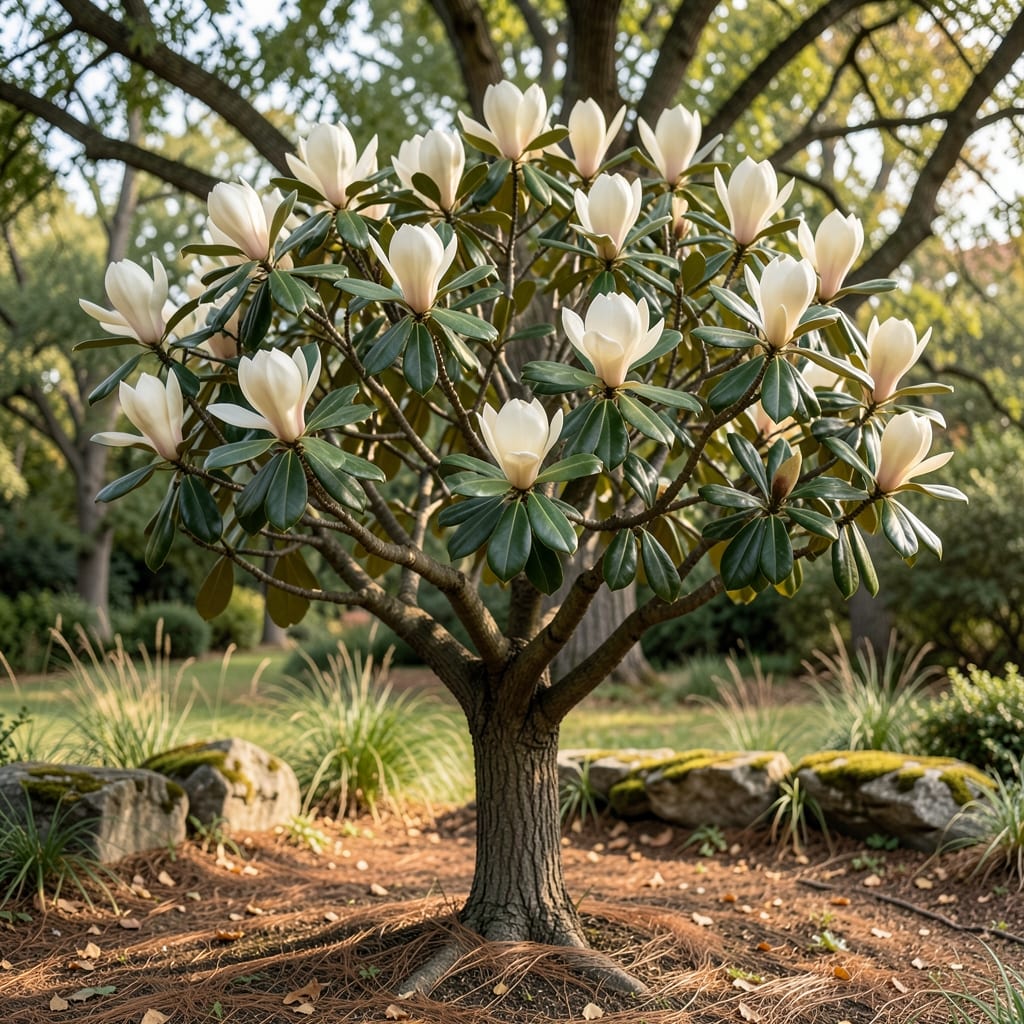
If you've ever wondered just how tall a Magnolia Tree 🌸 can grow, you might be surprised to learn some varieties reach heights that dwarf even the tallest buildings in your neighborhood!
Picture this: a majestic Southern Magnolia stretching over 80 feet or a delicate Saucer Magnolia standing proudly at 20 feet. The difference between these giants comes down to species, care, and where you live. Knowing these details helps you plan your garden's future without any unwelcome surprises.
In this guide, I’ll break down the fastest-growing magnolia varieties and what influences their height—from soil to sunlight. You’ll also discover how to choose the perfect size for your space and keep it thriving for decades.
Whether you're dreaming of a towering shade tree or a compact ornamental beauty, let’s explore how to get the perfect fit for your backyard.


Mature heights of magnolia trees: fastest-growing varieties compared
When selecting a magnolia tree, one of the first questions I ask myself is: how tall can this beauty grow? The answer varies dramatically between species, with some reaching skyscraper heights while others stay compact enough for small yards. The Southern Magnolia (Magnolia grandiflora) is the undisputed giant, often topping out at 80-100 feet with a spread of 30-40 feet.
On the opposite end, dwarf varieties like 'Black Tulip' (Magnolia stellata) max out at just 10-15 feet, making them perfect for urban gardens or container growing. These differences aren't just about aesthetics—they directly impact your garden's layout and long-term maintenance.
Below, I’ve compared the fastest-growing magnolia varieties by mature height, growth rate, and ideal planting scenarios. This will help you visualize which species will thrive in your space while meeting your height expectations.
| Variety | Mature Height | Growth Rate (First 10 Years) | Best For |
|---|---|---|---|
| Southern Magnolia (Magnolia grandiflora) | 80-100 ft | 3-5 ft/year | Large estates, shade trees |
| Sweetbay Magnolia (Magnolia virginiana) | 40-60 ft | 2-3 ft/year | Wet soils, coastal gardens |
| Saucer Magnolia (Magnolia × soulangeana) | 20-30 ft | 1-2 ft/year | Urban landscapes, small yards |
| Star Magnolia (Magnolia stellata) | 15-25 ft | 1-1.5 ft/year | Dwarf varieties, containers |
| Little Gem (Magnolia grandiflora 'Little Gem') | 20-25 ft | 2 ft/year | Narrow spaces, privacy screens |
| Yellow Magnolia (Magnolia acuminata) | 60-80 ft | 3 ft/year | Wildlife habitats, large properties |
If you're planning for the long term, consider the Southern Magnolia or Yellow Magnolia for dramatic height and shade. However, these giants need space—at least 30 feet of clearance from structures and power lines. For smaller spaces, the Saucer Magnolia or 'Little Gem' offer stunning flowers without overwhelming your garden.
One common misconception is that all magnolias grow at the same rate. In reality, dwarf varieties like 'Black Tulip' take 5-7 years to reach just 6 feet, while the Southern Magnolia can add 10 feet in the same timeframe. This growth disparity is why I always recommend measuring your space twice before planting!
For those in USDA Zones 6-9, most magnolias thrive, but their height potential depends heavily on local climate. Coastal areas with humid summers often see faster growth, while inland regions may experience slower, more controlled expansion. Always check your specific variety's hardiness zone to avoid disappointment.
Pro tip: If you're torn between varieties, start with a smaller magnolia like the Star Magnolia. You can always transplant it later if it outgrows its spot—though magnolias establish deep roots, making relocation difficult after 3-5 years. 🌱
How to choose a magnolia tree based on height and space needs
Selecting the right magnolia tree for your space starts with understanding how its mature height will fit into your landscape. A Southern Magnolia reaching 80-100 feet won’t work in a suburban backyard, while a Star Magnolia at 15-25 feet might feel lost in a sprawling estate. The key is matching the tree’s growth potential to your available space and long-term vision for your garden.
Before planting, I always measure the area where the tree will go—not just the height, but also the canopy spread. A Saucer Magnolia might only grow to 20-30 feet tall, but its branches can spread 15-20 feet wide, making it a poor choice for narrow urban gardens. Always check the mature spread in addition to height to avoid crowding other plants or structures.
For small yards or containers, dwarf varieties like 'Black Tulip' or 'Royal Star' are ideal. These stay under 10-15 feet and thrive in large pots, making them perfect for patios or balconies. If you’re unsure about long-term growth, start with a container-grown specimen—you can always transplant it to the ground later if it outgrows its current home.
CONS: Southern Magnolia (🌳) – Needs 30+ ft clearance
PROS: Saucer Magnolia (🏡) – Compact, early blooms
CONS: Saucer Magnolia (🏡) – Limited shade coverage
PROS: 'Black Tulip' (🪴) – Dwarf size, container-friendly
CONS: 'Black Tulip' (🪴) – Slower growth rate
If you’re planting near a house, fence, or power lines, always leave extra space—magnolias grow taller and wider than expected. I once saw a Yellow Magnolia nearly topple a shed because its roots spread 20 feet beyond its trunk height! For tight spaces, consider 'Little Gem', a columnar Southern Magnolia that stays under 25 feet while providing dense shade.
For privacy screens or windbreaks, fast-growing varieties like Sweetbay Magnolia (40-60 ft) or Yellow Magnolia (60-80 ft) are excellent choices. These trees create a natural barrier while adding year-round interest with their glossy leaves and fragrant flowers. Just be prepared for their rapid growth—some can add 3 feet per year in ideal conditions!
Finally, consider future maintenance. Taller magnolias require occasional pruning to remove dead branches or shape the canopy. If you’re not comfortable with ladder work, opt for a smaller variety or plant near a walkway for easier access. With the right choice, your magnolia will thrive for decades—without becoming a garden nuisance. 🌿