
Size
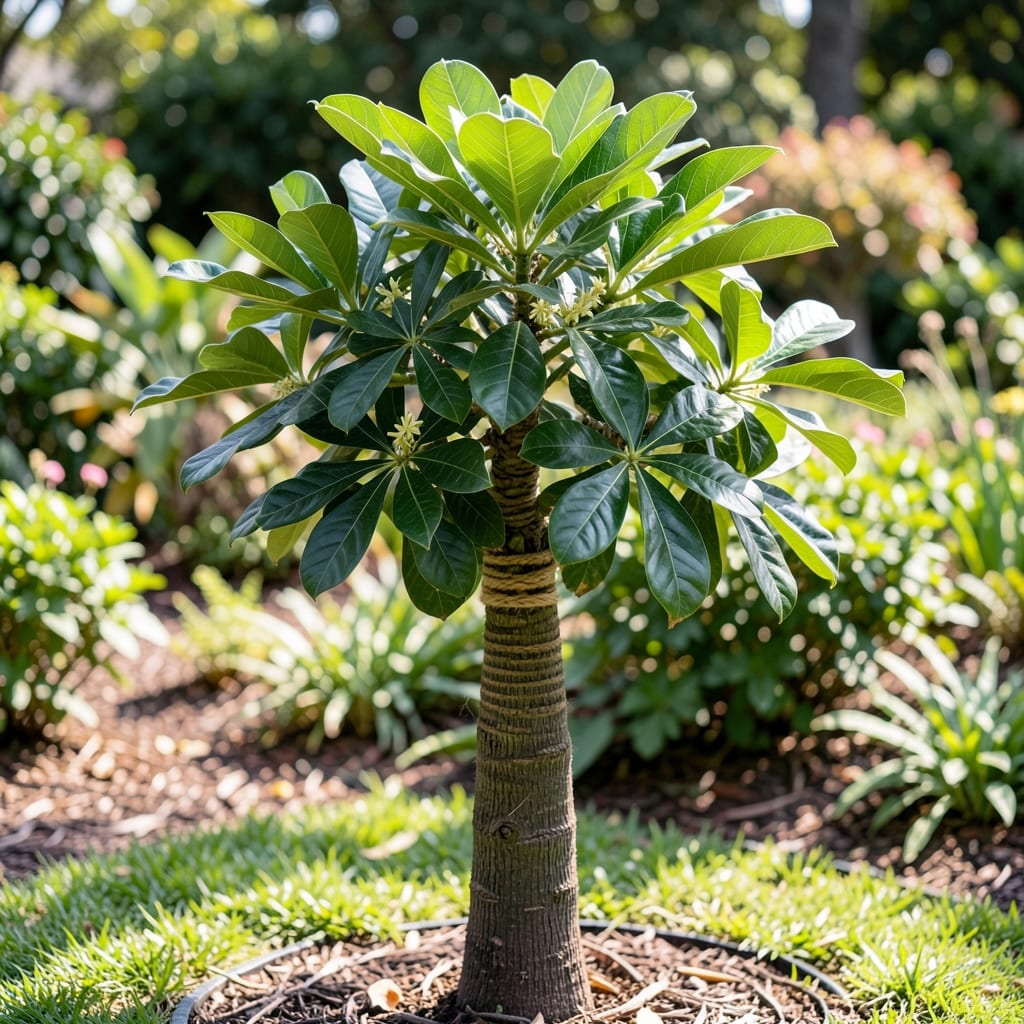
If you’ve ever wondered how tall a money tree can grow indoors, you’re not alone—but there’s a catch. The realistic indoor height of a Pachira aquatica depends on more than just time; it’s a mix of variety, care, and a few sneaky growth factors most plant parents miss.
Some Money Trees stay compact at just 3-5 feet, perfect for shelves or desks, while others can stretch toward 10 feet with the right conditions. The key? Understanding how light, pot size, and even pruning tricks shape your plant’s future skyline—without turning your living room into a jungle.
Let’s break down exactly how tall your Money Tree can grow indoors, which varieties hit which heights, and the simple adjustments that keep it at your ideal size—whether you want a tabletop statement or a ceiling-bound giant.
You’ll also discover why braiding doesn’t stunt growth (spoiler: it doesn’t), how to spot overwatering that’s secretly making your tree shoot up, and the one care mistake that turns a 5-foot plant into a 10-foot tower overnight.


Money tree height limits by variety: how tall each type can grow indoors
Your money tree (Pachira aquatica) might seem like a slow grower, but with the right conditions, it can reach impressive heights indoors. The key difference between varieties is their genetic growth potential—some stay compact while others can tower over your living room. Understanding these limits helps you set realistic expectations and plan your care strategy accordingly.
Most money trees sold as houseplants fall into three main categories: dwarf varieties, standard types, and fast-growing cultivars. The standard money tree (Pachira aquatica 'Money Tree') typically reaches 6-10 feet indoors if unpruned, while dwarf varieties like 'Raintree' max out around 3-5 feet. The Golden Shower variety can grow even taller—up to 12 feet—if given ideal conditions.
Here’s how these varieties compare in terms of indoor height potential, including growth rates and mature sizes:
| Variety | Mature Height (Indoors) | Growth Rate (Per Year) | Notes |
|---|---|---|---|
| Pachira aquatica 'Money Tree' | 6-10 ft | 12-24 in | Most common variety; slow to moderate growth |
| Pachira aquatica 'Raintree' | 3-5 ft | 6-12 in | Dwarf variety; ideal for small spaces |
| Pachira aquatica 'Golden Shower' | 8-12 ft | 18-30 in | Fastest-growing; needs strong light |
| Pachira aquatica 'Braided' | 5-8 ft | 12-20 in | Height depends on braiding technique; slower growth |
🌱 Note: Heights assume optimal care (bright indirect light, proper pruning, and balanced fertilization).
If you’re wondering whether your money tree will hit your ceiling, consider its variety and current growth rate. A standard money tree might take 3-5 years to reach 6 feet, while a Golden Shower could grow that tall in just 2 years with aggressive care. The braided variety often grows slower due to the stress of braiding, but it can still reach 5-8 feet over time.
Light exposure plays a huge role in determining height. Money trees grown in low-light conditions (like a north-facing window) will grow taller and leggier as they stretch toward light. In contrast, bright indirect light (east or west window) encourages compact, bushier growth. If your plant is already 6 feet tall but sparse, it’s likely light-deprived.
Pot size also affects height—root-bound plants grow faster vertically because their roots compete for space. If you want to control height, repot into a slightly larger container every 2-3 years to encourage wider growth. However, if you’re aiming for a taller tree, keep it root-bound for a year or two to stimulate upward growth.
Pruning is the most effective way to manage height, but many gardeners avoid it out of fear of harming the plant. In reality, strategic pruning (cutting back 1/3 of the height in early spring) can reset growth and encourage a fuller, more manageable shape. Just be prepared for a temporary setback—your money tree may take 3-6 months to recover and start growing again.
One common misconception is that braiding a money tree slows its growth. While braiding does stress the plant slightly, it doesn’t significantly reduce height—it just changes the shape. The real growth inhibitors are poor light, overwatering, or nutrient deficiencies. If your braided money tree is not growing at all, check its roots for rot or leaves for yellowing, which are signs of stress.
For a realistic height estimate, track your plant’s growth over 6 months. Measure it every month and adjust care based on trends. If it’s growing faster than 12 inches per year, it’s likely light-starved or root-bound. If it’s growing slower than 6 inches, it may need more sunlight or fertilizer. With the right approach, you can guide your money tree to reach your desired height—whether that’s a compact 3-foot desk plant or a statement 10-foot indoor tree.
How to control money tree height indoors: pruning, light, and care tips
If your money tree is growing faster than you’d like—or slower—you’re not powerless. The secret to controlling its height lies in three key levers: pruning techniques, light exposure, and container management. Unlike outdoor trees, indoor money trees respond dramatically to these adjustments, letting you shape growth to fit your space—whether you want a desk-sized plant or a ceiling-height statement piece.
Pruning is the most direct way to reset height. Many gardeners avoid it, fearing they’ll harm their plant, but money trees are highly resilient. The best time to prune is in early spring, when the plant is entering its active growth phase. Simply cut back 1/3 of the height just above a leaf node (where leaves grow). This encourages bushier growth and prevents leggy, top-heavy stems. Pro tip: Save your cuttings—they root easily in water!
Light is the hidden growth accelerator most people overlook. Money trees grown in low-light conditions (like a north-facing window) will stretch aggressively toward any available light, leading to leggy, weak stems. To control height, move your plant to bright indirect light (east or west window). If natural light is limited, supplement with a grow light for 4-6 hours daily. You’ll notice shorter, stockier growth within weeks.
Pot size plays a surprising role in height control. Money trees in too-small pots become root-bound, which triggers faster vertical growth as the plant competes for space. To slow height growth, repot into a slightly larger container every 2-3 years (just 1-2 inches wider than the current pot). For taller growth, keep the plant root-bound for a year or two before repotting.
Fertilizer also influences height—too much can lead to rapid, weak growth, while too little stunts development. Use a balanced fertilizer (10-10-10) every 4-6 weeks in spring and fall, but skip it in winter. If your money tree is growing too fast, reduce fertilizer to half-strength or switch to a low-nitrogen formula to promote compact growth.
Finally, watering habits affect height indirectly. Overwatering causes root rot, which stresses the plant and can slow growth or even kill it. Underwatering, on the other hand, leads to dormancy-like behavior, stunting height. Stick to watering every 1-2 weeks (when the top 1-2 inches of soil are dry) and always use a pot with drainage holes to prevent soggy roots.
With these height-control strategies, you can guide your money tree to stay at your desired size—whether that’s a 3-foot desk companion or a 6-foot living room centerpiece. The key is consistency: adjust one factor at a time (like pruning or light) and monitor the results over 3-6 months. Your money tree will thank you with healthier, more manageable growth.