
How To
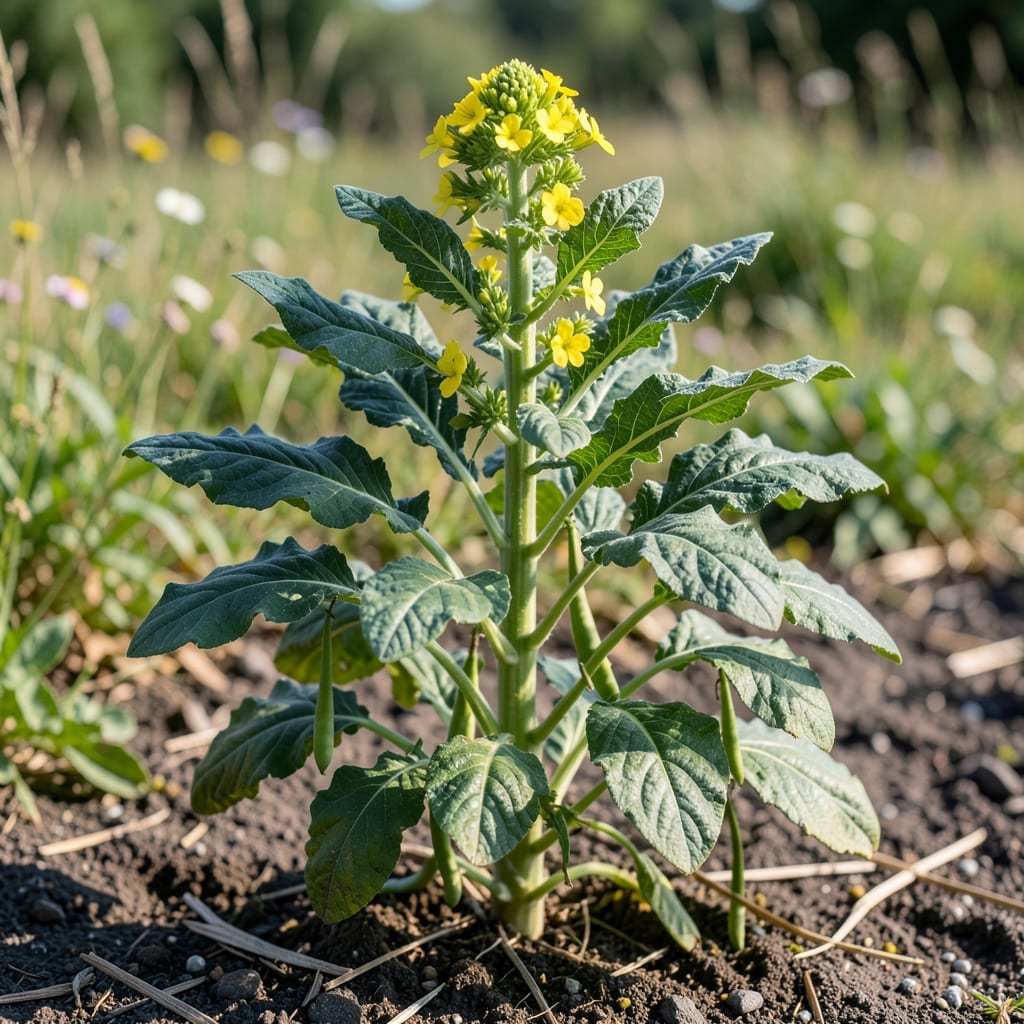
If you’ve ever wondered just how tall a tiny mustard seed can grow, get ready for a surprise—some varieties stretch taller than you might expect, reaching heights that could make your garden the talk of the neighborhood. 🌱
Most gardeners grow mustard greens for their quick harvests, but did you know certain species can shoot up to 6 feet or more under the right conditions? Whether you're growing Brassica juncea for spicy greens or ornamental varieties for show, understanding their growth potential is the key to maximizing your space.
In this guide, I’ll break down the height ranges by species, share the soil and climate secrets that help mustard plants reach their full potential, and even show you how to support them for record-breaking growth. Ready to turn those little seeds into towering garden stars?
From dwarf varieties perfect for containers to giants that need staking, we’ll cover everything you need to know to grow mustard plants that defy expectations—and maybe even outshine your neighbors’ veggie patches.


Mustard plant growth heights by species: from dwarf varieties to record-breaking giants
Mustard plants are gardening superstars when it comes to rapid growth. While most varieties stay between 1-2 feet tall, some can shoot up to 6 feet or more under perfect conditions. The secret lies in the species and variety you choose—each brings its own growth potential to your garden.
For example, the common mustard (Brassica juncea), often grown for its edible greens, typically reaches 2-3 feet tall. But ornamental varieties like white mustard (Sinapis alba) can tower over your garden bed, especially when grown for their showy yellow flowers. Let’s explore the height ranges by species so you can pick the perfect mustard for your space.
📊 Height Comparison by Mustard Species
If you’re aiming for maximum height, white mustard (Sinapis alba) is your best bet—it can reach 6 feet or taller in ideal conditions. This makes it perfect for backyard borders or cutting gardens. Meanwhile, dwarf varieties like Tendergreen stay compact, making them ideal for container gardening or small spaces.
But height isn’t just about the species—it’s also about growing conditions. Mustard plants thrive in full sun (6+ hours daily) and well-draining soil. Without these, even the tallest varieties may struggle to reach their full potential. For example, white mustard can bolt (flower prematurely) if stressed, cutting its height growth short.
For edible mustard greens, varieties like Indian mustard (Brassica juncea) are popular because they stay tender and flavorful even at 2-3 feet tall. Harvesting the outer leaves encourages bushier growth, keeping the plant productive for weeks. This is why many gardeners prefer these varieties over taller ornamental types.
Pro tip: If you’re growing mustard for seeds, let the plants flower and bolt. This is when they’ll reach their maximum height, often 1-2 feet taller than when grown for greens. Just be prepared for them to self-seed aggressively—mustard is a volunteer plant that loves to spread!
Whether you’re after tall ornamental displays or compact edible greens, choosing the right mustard variety sets the stage for success. Next, we’ll dive into the soil and climate secrets that can push your mustard plants to new heights—even beyond their typical ranges.
Soil and climate secrets to maximize mustard plant height: what no one tells you
Did you know the soil pH and climate conditions can turn a 1-foot mustard plant into a 6-foot giant? Most gardeners focus on watering and sunlight, but the real growth magic happens underground—and in the air—with factors you might be overlooking. 🌱
Mustard plants thrive in slightly acidic to neutral soil (pH 6.0–7.0), but they’ll stretch for the sky when given a boost of nitrogen-rich compost or a balanced 10-10-10 fertilizer. Without these, your plants might bolt prematurely or stay stunted. I’ve seen Brassica juncea varieties double in height just by tweaking their growing environment!
Here’s the secret: Warmth accelerates growth. Mustard seeds germinate fastest in soil temps between 60–75°F, and they’ll grow 2–3 inches per week in ideal conditions. If your climate runs cooler, try black plastic mulch to warm the soil and give your mustard plants a head start.
🌱 Key Takeaways for Towering Mustard Plants
- Soil pH: Aim for 6.0–7.0—test and amend with lime or sulfur if needed.
- Nitrogen Boost: Side-dress with compost tea every 3 weeks for rapid vertical growth.
- Sunlight: 6+ hours daily is non-negotiable—partial shade stunts height.
- Watering: Keep soil consistently moist but avoid waterlogging to prevent root rot.
- Climate Hack: Use row covers in cool climates to extend the growing season.
One of the biggest mistakes I see is overwatering. While mustard plants love moisture, soggy soil leads to stunted roots and yellowing leaves. Instead, water deeply in the morning and mulch with straw to retain moisture without suffocating the roots. This simple trick can add 1–2 feet to your plant’s height!
Don’t forget about spacing. Crowded plants compete for nutrients and light, leading to leggy, weak growth. Give your mustard plants 12–18 inches of space between rows to encourage strong stems and maximum height. In my garden, proper spacing turned 2-foot plants into 4-foot powerhouses!
For ornamental varieties like Brassica hirta, pruning the lower leaves early on directs energy upward, helping them reach their full potential. Combine this with staking (more on that in the next section), and you’ll have mustard plants that rival small shrubs. The key? Patience and precision—your mustard’s height is in your hands! 🌿