
Size
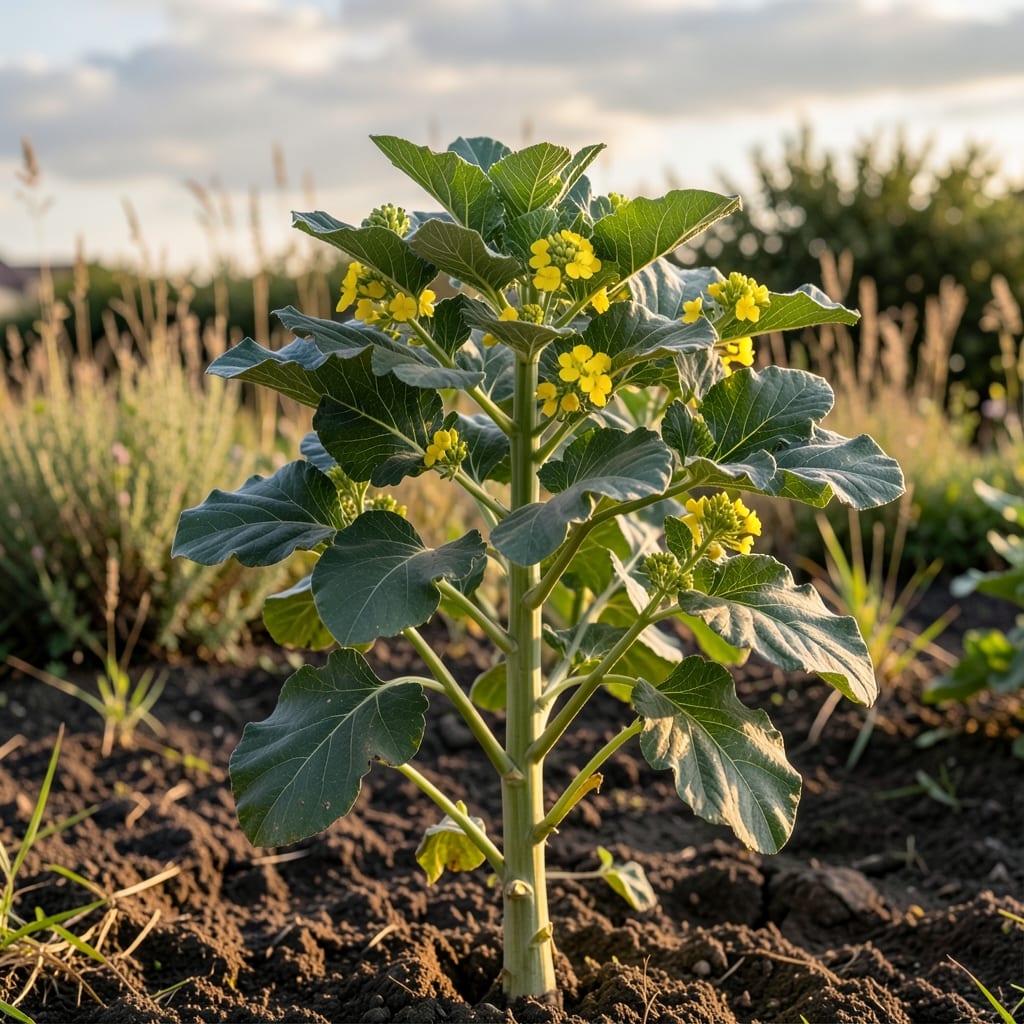
Curious about how tall your mustard tree 🌳 can grow? Some varieties shoot up to 40 feet without needing a single trim—yes, you read that right! But before you picture a towering giant in your backyard, there’s more to the story than just height. The right growing conditions, pruning habits, and even your climate can make all the difference in whether your tree reaches its full potential or stays stunted.
If you’re dreaming of a fast-growing, eye-catching mustard tree 🌳 that becomes the star of your garden, you’re in the right place. I’ll break down the fastest-growing varieties, how to maximize their height, and the common mistakes that keep them from soaring. Whether you’re a seasoned gardener or just getting started, these insights will help you cultivate a mustard tree that stands tall and thrives.
First, let’s talk about the varieties that grow the fastest—and why some might surprise you. From Moringa oleifera to other species, we’ll explore how tall they can get and what factors influence their growth. Spoiler: sunlight, soil, and pruning play bigger roles than you might think.
Ready to turn your garden into a mustard tree haven? Stick around—I’ll share the secrets to encouraging rapid growth, avoiding common pitfalls, and keeping your tree healthy from spring planting all the way through the seasons.

Mustard tree height by variety: which species grow the tallest?
When it comes to mustard tree 🌳 height, not all species are created equal. Some varieties can shoot up to 40 feet or taller, while others stay much shorter. The key difference often comes down to the species—whether you're growing Moringa oleifera (the "drumstick tree") or other Brassica varieties. Let’s dive into the fastest-growing types and what makes them reach such impressive heights.
The Moringa oleifera, often called the "miracle tree," is the superstar of the mustard tree family when it comes to height. In ideal conditions, it can grow 30 to 40 feet tall, making it perfect for large gardens or even as a shade tree. This species thrives in warm climates and loves full sun, which fuels its rapid growth. If you're aiming for a towering mustard tree 🌳, this is the variety to prioritize.
Other Brassica species, like Brassica juncea (Indian mustard) or Brassica carinata (Ethiopian mustard), typically stay much shorter—usually between 3 to 6 feet—unless given exceptional care. These are often grown as annuals or biennials for their seeds or greens rather than their height. If you're looking for a mustard tree with a more manageable stature, these might be better options for smaller gardens.
Now, let’s talk about what makes a mustard tree 🌳 grow tall. The Moringa oleifera, for example, grows fastest in USDA zones 8-11, where it can add 3 to 5 feet per year under optimal conditions. In cooler climates, its growth slows significantly, often capping out around 15 to 20 feet. This is why choosing the right variety for your climate is crucial if you’re dreaming of a sky-high mustard tree.
Here’s a quick comparison to help you decide which variety fits your goals and space:
| Variety | Max Height | Growth Rate | Ideal Climate |
|---|---|---|---|
| Moringa oleifera | 30–40 ft | 3–5 ft/year | Zones 8–11 |
| Brassica juncea | 3–6 ft | 1–2 ft/year | Zones 4–9 |
| Brassica carinata | 4–7 ft | 1–3 ft/year | Zones 5–10 |
If you’re planting a Moringa oleifera and want it to reach its full 40-foot potential, you’ll need to provide well-draining soil, full sun exposure, and consistent watering during its first few years. Without these, even the fastest-growing varieties will struggle to hit their maximum height. For example, in USDA zone 7, where summers are hot but winters are cold, a mustard tree 🌳 might only reach 15 to 20 feet unless you take extra steps to protect it from frost.
Soil quality plays a massive role in height, too. Moringa oleifera, for instance, thrives in sandy loam soil with a pH of 6.0 to 7.5. If your soil is too clay-heavy or compacted, the roots won’t spread as effectively, which can stunt growth. Amending your soil with compost or organic matter before planting can give your mustard tree the boost it needs to grow tall and strong.
Another factor that influences height is pruning. While Moringa oleifera can grow tall without pruning, strategic trimming can encourage a fuller, more robust tree. If you’re aiming for height, avoid heavy pruning in the early years—focus on removing only dead or diseased branches. Once your tree is established, you can shape it to your liking, but remember: the less you prune, the taller it can grow.
Ready to see your mustard tree 🌳 reach new heights? The next step is understanding how to maximize its growth with the right care. From sunlight secrets to soil hacks, we’ll cover everything you need to know to turn your garden into a mustard tree paradise.
How to maximize mustard tree growth: pruning, soil, and sunlight secrets
If you've chosen a Moringa oleifera or another fast-growing mustard tree 🌳 variety, you're likely eager to see it reach its full 40-foot potential. The secret to maximizing growth lies in three key areas: soil preparation, sunlight exposure, and strategic pruning. Let’s dive into the actionable steps that will help your tree grow taller and healthier than ever.
First, let’s talk about soil. Your mustard tree thrives in well-draining, nutrient-rich soil with a pH between 6.0 and 7.5. If your soil is heavy or compacted, amend it with compost or organic matter before planting. A sandy loam mix is ideal—it allows roots to spread easily, which is essential for supporting rapid vertical growth. Test your soil’s pH and adjust it if needed using lime (to raise pH) or sulfur (to lower pH). Healthy soil is the foundation for a towering mustard tree 🌳.
Next, sunlight is non-negotiable. Your mustard tree needs at least 6 hours of direct sunlight daily to fuel its growth. In USDA zones 8-11, where these trees thrive, they can soak up full sun all day, especially during the spring and summer months. If you’re in a cooler climate, like zone 7, place your tree in the sunniest spot possible—even a few extra hours of light can make a big difference in height. Without enough sunlight, your tree will grow slowly and may become leggy or weak.