
Size
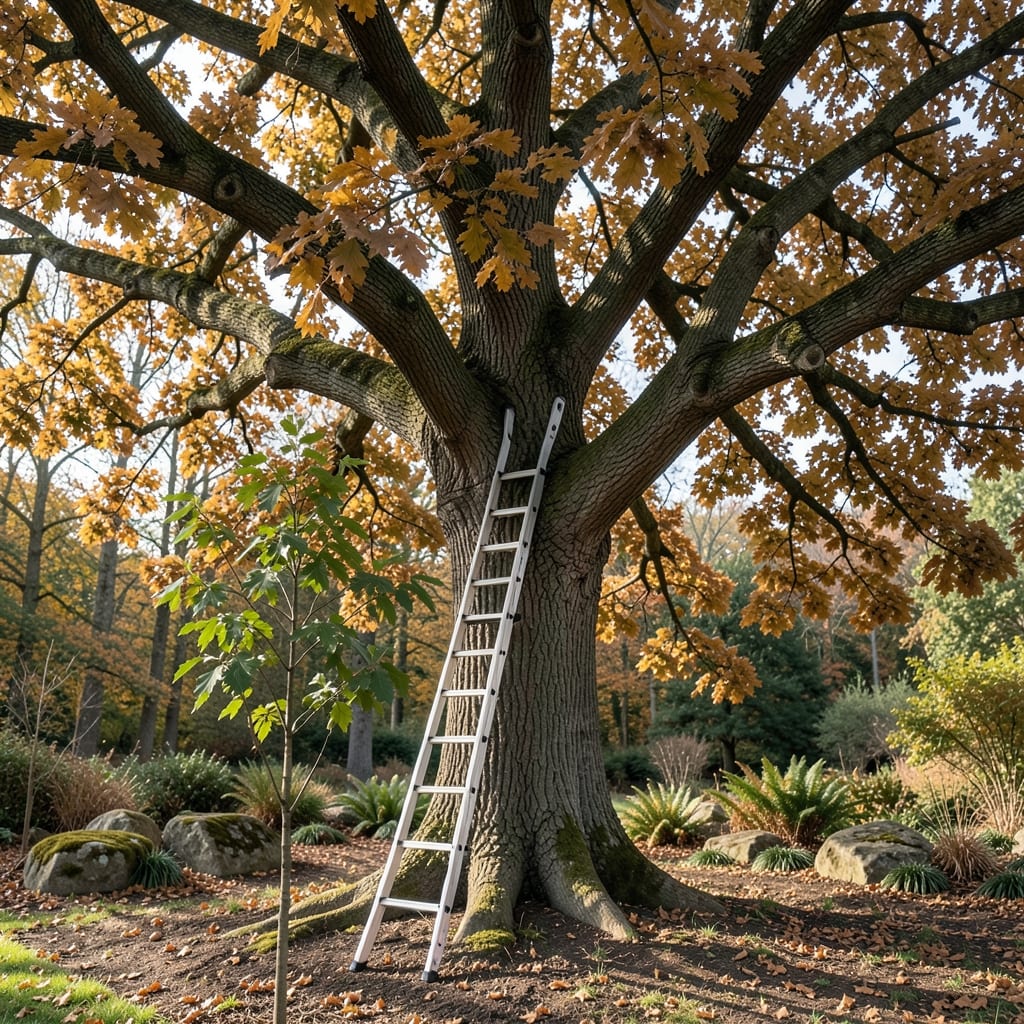
If you’ve ever stood beneath a towering oak tree 🌳 and wondered just how tall these ancient giants can grow, you’re not alone. Some oak species reach heights that make skyscrapers look modest—up to 100 feet or more under perfect conditions. But what makes them grow so massive, and which types break the height records?
The answer lies in their species, environment, and a little bit of luck. White oaks, red oaks, and live oaks all have their own growth stories, with some stretching toward the sky like natural monuments. Whether you’re dreaming of a backyard giant or just curious about nature’s skyscrapers, understanding their growth secrets is key.
In this guide, I’ll break down the tallest oak species, the factors that push them to new heights, and whether you can grow one in your own backyard. From soil secrets to sunlight strategies, we’ll cover everything you need to know to appreciate—or even cultivate—these magnificent trees.
Ready to discover how oak trees become the towering legends of the forest? Let’s dive in and explore the sky-high world of these incredible giants.

Tallest oak tree species: record heights and growth limits by type
Oak trees are nature’s skyscrapers, and some species reach staggering heights that put even the tallest buildings to shame. The coastal live oak and white oak varieties often lead the pack, with mature specimens towering over 100 feet. But which species grows the tallest, and what makes them reach such impressive heights?
Understanding these giants starts with recognizing that oak species vary widely in their growth potential. While some thrive in dense forests, others stretch skyward in open landscapes. The tallest recorded oak is a coastal live oak in Florida, standing at an astonishing 100+ feet. Meanwhile, white oaks and red oaks typically reach 70-90 feet under ideal conditions.
Here’s a breakdown of the tallest oak species and their growth potential, including the environmental factors that push them to new heights:
🌳 Oak Tree Height Comparison
| Species | Max Recorded Height | Typical Mature Height | Growth Rate (First 10 Years) | Best Growing Conditions |
|---|---|---|---|---|
| Coastal Live Oak | 100+ ft | 80-100 ft | 1-3 ft/year | Coastal climates, sandy soil |
| White Oak | 90-100 ft | 70-90 ft | 1-2 ft/year | Well-drained soil, full sun |
| Red Oak | 80-90 ft | 60-80 ft | 1.5-2.5 ft/year | Moist, fertile soil |
| Bur Oak | 70-80 ft | 50-70 ft | 1-2 ft/year | Drought-tolerant, adaptable |
The coastal live oak holds the record for the tallest oak species, often surpassing 100 feet in ideal coastal environments. These trees thrive in Florida and the southeastern U.S., where warm climates and sandy soils provide perfect growing conditions. Their sprawling branches and massive trunks make them a sight to behold, often living for centuries.
Meanwhile, white oaks are close behind, frequently reaching 90-100 feet in open woodlands. Their slower growth rate—about 1-2 feet per year—means they take decades to reach their full height, but their longevity makes them a prized addition to any landscape. Red oaks, on the other hand, grow a bit faster but typically max out around 80 feet.
What sets these giants apart isn’t just their height but their adaptability. Coastal live oaks, for example, can tolerate salt spray and sandy soils, while white oaks thrive in well-drained, slightly acidic soil. Red oaks prefer moist, fertile conditions, which can accelerate their growth in the right environment. Understanding these preferences is key to cultivating a towering oak in your own backyard.
If you’re dreaming of a backyard oak that stretches toward the sky, the coastal live oak or white oak are your best bets for maximum height. However, their size means they’re better suited for large properties or parks. For smaller spaces, consider dwarf varieties or younger saplings—though they’ll never reach the same heights as their towering cousins.
One surprising fact about oak tree growth is how slow and steady it can be. Even the fastest-growing species, like red oaks, take 20-30 years to reach maturity. Patience is key when growing these giants, but the reward—a centuries-old tree standing tall in your landscape—is unmatched.
Next, we’ll explore what makes these trees grow so tall: from soil secrets to sunlight strategies that can push an oak toward record-breaking heights. Stay tuned for the growth secrets that turn saplings into sky-high giants!
What determines an oak tree’s height: soil, climate, and care secrets
Ever wonder why some oak trees stretch toward the sky while others stay modest in size? The answer lies in a mix of soil quality, climate conditions, and care practices that either fuel or limit their growth. Unlike fast-growing trees, oaks take decades to reach their full potential, but the right conditions can push them toward record-breaking heights—like that 100-foot coastal live oak we talked about earlier.
At the heart of an oak’s growth is its root system. Deep, well-drained soil rich in organic matter gives roots the space to spread and absorb nutrients efficiently. Sandy soils, like those in coastal areas, might seem less ideal, but they actually allow roots to penetrate deeper, supporting taller growth in species like the coastal live oak. Meanwhile, clay-heavy soils can stunt growth by restricting root expansion and causing waterlogging.
Here’s what really makes the difference in an oak’s height potential:
🌱 5 Key Factors That Push Oak Trees to New Heights
- 🌡️ Climate: Warm, humid climates (like Florida’s) accelerate growth in species like coastal live oaks, while colder regions slow down red oaks.
- 💧 Water Access: Deep watering during droughts prevents stress, helping oaks reach their full height potential faster.
- ☀️ Sunlight: Full sun (6+ hours daily) maximizes photosynthesis, fueling rapid early growth in young saplings.
- 🌿 Soil pH: Slightly acidic soil (pH 5.0-7.0) suits white oaks, while red oaks thrive in neutral to slightly alkaline conditions.
- ✂️ Pruning: Strategic pruning removes competing branches, redirecting energy upward for taller growth.
One surprising factor is pruning timing. Many gardeners prune oaks in late winter, but this can actually stimulate excessive leaf growth that drains energy from height development. Instead, focus on removing dead or crossing branches in early spring when new growth begins. This redirecting of energy helps oaks allocate resources toward vertical expansion rather than bushy canopies.
For home gardeners, the biggest challenge is balancing space and patience. A white oak sapling might grow just 1-2 feet per year in its first decade, but with ideal conditions, it can eventually reach 90 feet or more. The key is creating a low-stress environment: mulch heavily to retain moisture, avoid compacting soil around the base, and ensure the tree isn’t competing with other plants for nutrients.
Did you know that oaks grown in open spaces (like meadows) often grow taller than those in dense forests? This is because they have fewer competitors for sunlight and resources. If you’re planting an oak in your yard, give it plenty of room—at least 50 feet of clearance for mature white oaks—to prevent root and branch competition that could limit its height potential.
Next up, we’ll tackle the big question: Can you really grow a giant oak tree at home? I’ll share my top planting and maintenance tips to help you cultivate a sky-high oak—even if you don’t have acres of land. Stay tuned for the secrets to nurturing these majestic giants from sapling to skyscraper!