
How To
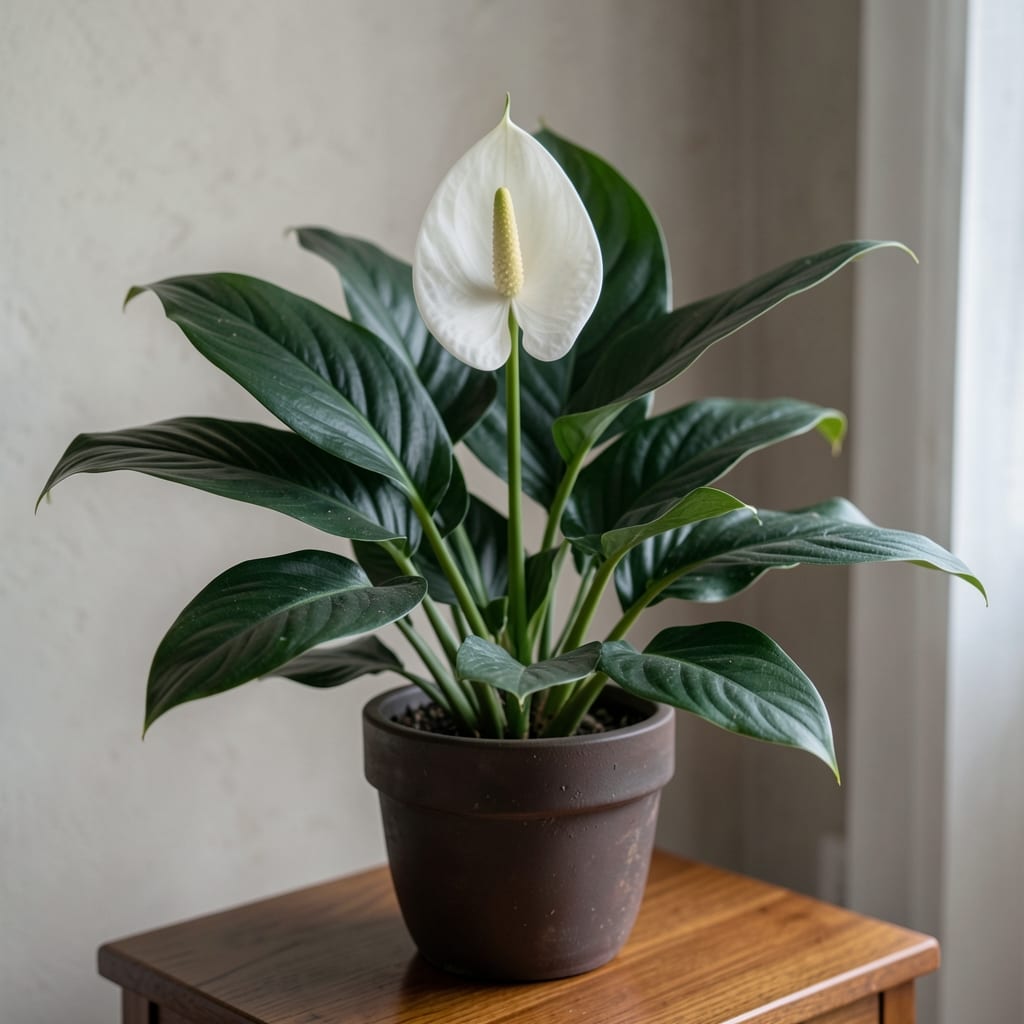
If you’ve ever wondered just how tall can a peace lily grow before it starts crowding your space, the answer might surprise you. This elegant 🌿 plant can stretch from a modest 1 foot to a towering 4 feet indoors—depending on how you care for it.
Most peace lilies stay in the 2- to 3-foot range when given the right conditions, but without proper pruning or light control, they’ll reach for the ceiling. The key to managing their height lies in understanding their growth habits and simple pruning tricks that keep them lush without taking over.
Whether you’re working with a compact variety like the 'Petite' peace lily or a standard type, I’ll show you how to encourage healthy growth while keeping your space tidy. Let’s dive into the secrets of controlling their size without sacrificing those stunning white blooms.
From choosing the right pot to pinching back stems at the perfect time, these techniques will help you enjoy your peace lily’s beauty without the space struggles. Ready to transform your plant into a well-behaved houseguest?


Peace lily growth height: natural size range and factors affecting height
If you’ve ever wondered, "How tall can a peace lily grow?" the answer depends on its variety, care, and environment. Under ideal indoor conditions, peace lilies (Spathiphyllum) typically reach 2 to 4 feet tall, with some varieties like 'Sensation' stretching closer to 4 feet if left unchecked. However, with proper pruning and care, you can easily keep them shorter—even as compact as 1 to 2 feet for small spaces.
The natural height range of a peace lily varies widely based on factors like light exposure, pot size, and pruning habits. For example, a peace lily in a small pot with limited root space will grow taller and leggier as it stretches toward light, while one in a larger container with regular pruning stays bushier and more compact. Understanding these factors helps you control its growth and fit it into your home’s decor.
Light plays a crucial role in determining height. Peace lilies thrive in bright, indirect light, which encourages balanced growth. In low-light conditions, they may grow taller and spindlier as they reach for light sources. Conversely, too much direct sunlight can stunt growth and cause leaf scorch. Finding the right balance—like placing your plant near a north-facing window—helps maintain a healthy, manageable height.
Another key factor is the variety you choose. Some peace lilies, like the 'Petite' or 'Domino' varieties, are bred to stay shorter, making them perfect for apartments or offices. Others, like the 'Mauna Loa' or 'Sensation', can grow significantly taller if not pruned. Knowing your plant’s potential height upfront helps you plan for its long-term care and space needs.
🌱
🌿 Peace Lily Growth Summary
| Variety | Mature Height | Growth Rate | Ideal Light |
|---|---|---|---|
| 'Petite' | 12–24 inches | Slow to moderate | Bright indirect |
| 'Domino' | 18–30 inches | Moderate | Low to bright indirect |
| 'Sensation' | 3–4 feet | Fast | Bright indirect |
| 'Mauna Loa' | 3–5 feet | Fast | Bright indirect |
| Standard (e.g., 'White Fantasy') | 2–4 feet | Moderate | Low to bright indirect |
Height can vary based on care, pruning, and environmental conditions.
The pot size you choose also impacts height. Peace lilies in small pots (under 6 inches in diameter) will grow taller as their roots become root-bound, forcing the plant to stretch upward. To encourage a stockier, bushier growth habit, repot your peace lily every 1–2 years into a container that’s only 1–2 inches larger in diameter than its current pot. This slows vertical growth and promotes fuller foliage.
If you’re growing a peace lily outdoors in USDA Zone 10 or warmer, it can reach even greater heights—sometimes 5 feet or more—since it has more space to spread its roots and grow. However, outdoor peace lilies require partial shade and consistent moisture to thrive. In colder climates, they’re best kept indoors or in containers that can be moved inside during winter.
Pruning is another way to control height. By pinching back the tips of stems or cutting back leggy growth, you encourage the plant to branch out and stay compact. This is especially useful for varieties like 'Sensation' or 'Mauna Loa,' which can become top-heavy and unstable if left unpruned. Regular pruning not only manages height but also promotes healthier, more vibrant foliage.
Finally, fertilization habits influence growth. Over-fertilizing can lead to rapid, leggy growth, while a balanced 10-10-10 fertilizer applied every 4–6 weeks during spring and summer supports steady, controlled growth. Always water your plant thoroughly before fertilizing to prevent root burn, which can stunt growth and affect height.
With these tips, you can enjoy a peace lily that fits perfectly in your space—whether you prefer a tall statement plant or a compact desk companion. The key is observing your plant’s growth habits and adjusting care accordingly. 🌿
Space-saving pruning techniques to control peace lily height
If your peace lily is reaching for the ceiling faster than you’d like, don’t worry—simple pruning techniques can keep it at your desired height while encouraging a fuller, bushier appearance. The key is timing and method. Prune your peace lily in early spring or after it finishes blooming in late summer to avoid disrupting its natural growth cycle. This is when the plant is actively growing but hasn’t yet committed to vertical expansion.
For compact growth, focus on pinching back the tips of stems when they reach about 6 inches tall. Use clean, sharp pruning shears or your fingers to gently pinch off the top 1–2 inches of new growth. This encourages the plant to branch out, creating a denser, more manageable shape. Repeat this process every 4–6 weeks during the growing season to maintain height control.
🌱
🌿 Step-by-Step Pruning Guide
- Step 1: Wait until new growth appears in spring or after blooming.
- Step 2: Use sterilized pruning shears or clean fingers to pinch back stems.
- Step 3: Cut just above a leaf node (where leaves grow) to encourage branching.
- Step 4: Remove yellow or brown leaves at the base to redirect energy.
- Step 5: Water thoroughly after pruning to reduce stress.
Prune in early morning to allow wounds to heal by evening.
If your peace lily has grown too tall and leggy, don’t hesitate to cut back the stems. You can trim up to one-third of the plant’s height without harming it. Make cuts just above a leaf node or where a side branch emerges. This method is perfect for taller varieties like 'Sensation' or 'Mauna Loa,' which can quickly outgrow their space. After pruning, your plant may take a few weeks to recover, but it will soon produce new growth from the base, resulting in a sturdier, more compact shape.
Another trick to control height is rotating your plant every 2–4 weeks. Peace lilies grow toward light, so rotating them ensures even growth all around. This prevents one side from stretching toward a window while the other remains weak and leggy. Combine this with moderate fertilization (a 10-10-10 mix every 6–8 weeks) to support balanced growth rather than rapid vertical expansion.
For extra compact growth, consider topping your peace lily. This involves cutting the stem just above the soil line, which forces the plant to send up new shoots from the base. While this method takes patience—it can take several weeks for new growth to appear—it’s an effective way to reset a leggy plant and encourage a bushier, shorter form. Just be prepared to provide extra care during the recovery period, including consistent watering and bright, indirect light.
Remember, pruning isn’t just about controlling height—it’s also about promoting health. Regularly removing dead or dying leaves and yellowing foliage improves air circulation and reduces the risk of pests and diseases. With these techniques, your peace lily will stay lush, vibrant, and perfectly sized for your space. ✂️