
How To
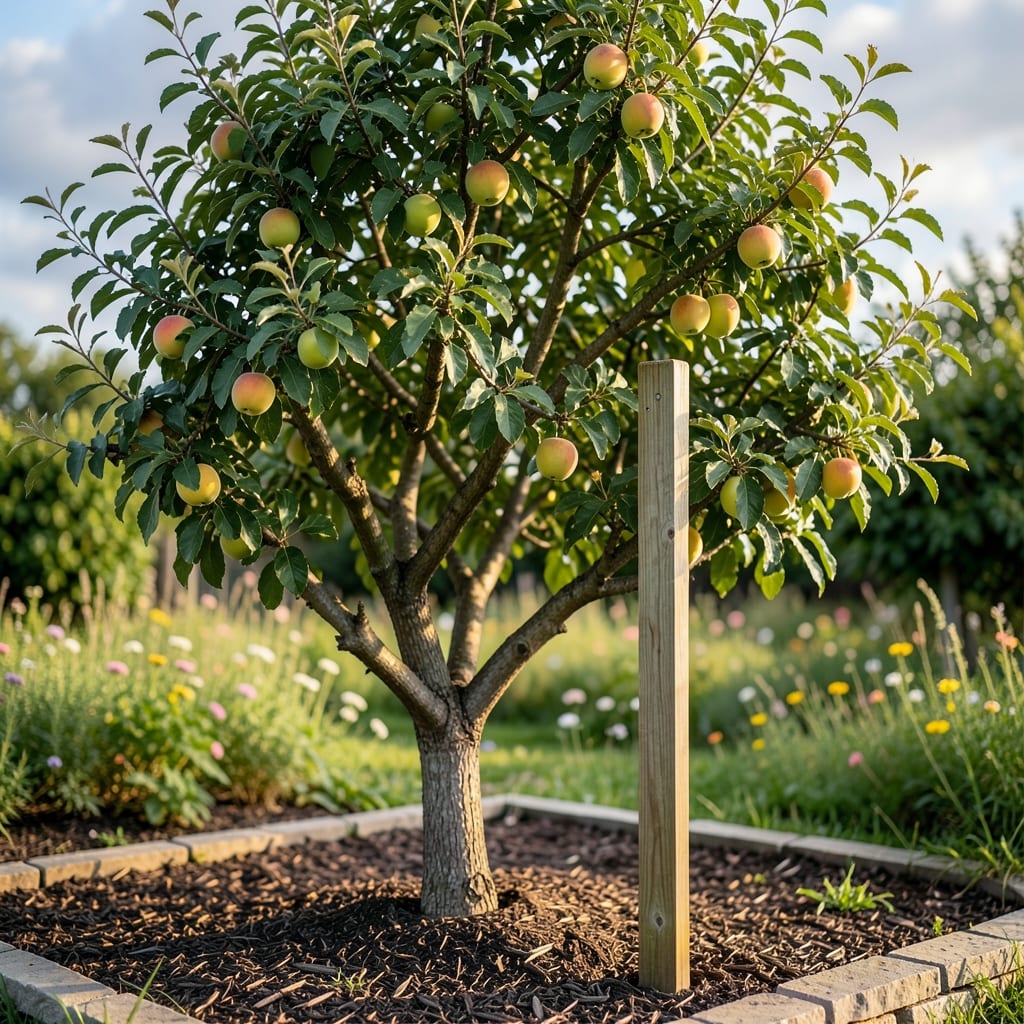
If you’ve ever wondered how tall can a peach tree grow, the answer might surprise you—these fruiting giants can stretch from compact 8-foot dwarfs to towering 30-foot giants that shade entire backyards. Whether you're dreaming of a peach tree in your tiny urban patio or a sprawling orchard, size isn’t just about aesthetics—it’s about strategy.
For home gardeners in USDA Zone 6a, choosing the right variety is the key to balancing fruit production with space. Dwarf peach trees stay manageable, while standard varieties reach their full 20-30-foot height, demanding careful planning. But here’s the game-changer: with the right pruning and care, even a 10-foot tree can yield bushels of juicy fruit.
Let’s break down the heights you can expect, from bush-sized dwarfs to sky-reaching standards, and how to control their growth. You’ll discover which varieties thrive in small spaces, how to prune for compact size, and when to let your 🍑 tree stretch its branches wide. Ready to pick the perfect peach tree for your garden?
Whether you’re a first-time gardener or a seasoned grower, this guide will help you make the best choice—so you can enjoy fresh peaches without sacrificing your yard (or sanity). Let’s get started!


Peach tree height variations: dwarf, semi-dwarf, standard, and giant sizes explained
When you’re planning to grow a peach tree, the first question is almost always: how tall can a peach tree grow? The answer depends entirely on the variety you choose, and the options can range from 8-foot dwarfs to 30-foot giants. Understanding these height variations helps you pick the perfect tree for your space—whether you have a cozy balcony or a sprawling backyard.
Dwarf peach trees are the best choice for small gardens or containers, reaching just 6-10 feet at maturity. These compact trees produce fruit just like their larger counterparts but require far less space. Semi-dwarf varieties strike a balance, typically growing 12-16 feet, making them ideal for suburban yards. Standard peach trees, the most common in orchards, can soar 20-30 feet tall, while rare giant varieties may even exceed 35 feet.
Here’s the key: height isn’t just about space—it also affects fruit production, pruning needs, and even how much sunlight your tree gets. A 10-foot dwarf might yield fewer peaches than a 25-foot standard, but it’s far easier to maintain and harvest. Let’s break down the heights you can expect from each type, along with practical tips for managing growth.
| Variety Type | Mature Height | Best For | Pruning Needs |
|---|---|---|---|
| Dwarf | 6–10 ft | Containers, small yards, urban gardens | Minimal; focus on shaping |
| Semi-Dwarf | 12–16 ft | Suburban yards, patios with space | Moderate; remove deadwood annually |
| Standard | 20–30 ft | Orchards, large properties, full sun | Regular; requires ladder access |
| Giant (Rare) | 35+ ft | Commercial orchards, vast landscapes | Intensive; professional pruning recommended |
If you’re growing peaches in containers or small spaces, dwarf varieties like 'Bonanza' or 'Redhaven' (dwarf grafted) are your best bet. These trees stay under 10 feet and can even be grown in 15-gallon pots with proper care. Just remember: container-grown trees need regular watering and balanced fertilizer to compensate for limited root space.
For suburban gardens, semi-dwarf trees offer the perfect middle ground. They produce more fruit than dwarfs while staying manageable—typically 12-16 feet. These trees benefit from open-center pruning, which encourages a bushier shape and easier fruit picking. If you’re planting near a fence or patio, leave 8-10 feet of clearance to avoid shading or obstruction.
Standard peach trees, the classic orchard variety, are the tallest and most productive but require ample space and maintenance. A 25-foot tree needs 20+ feet of clearance on all sides for proper airflow and sunlight. If you’re growing one in your yard, plan for regular pruning to keep branches from overreaching roofs or power lines. These trees also benefit from central leader pruning, which directs growth upward and strengthens the trunk.
One common misconception is that taller trees always produce more fruit. While standard trees may yield larger harvests, dwarf and semi-dwarf varieties can be just as productive with the right care. The key is balanced pruning and fertilization. For example, a 10-foot dwarf can produce 50-100 pounds of peaches per year with proper attention, while a 25-foot standard might yield 200+ pounds—but requires more effort to maintain.
Climate also plays a role in height. In warmer zones (USDA 8-10), peach trees grow faster and taller due to longer growing seasons. In cooler zones (USDA 6a like yours), growth may be slower, and dwarf varieties are often hardier. Always check the cold hardiness of your chosen variety—some dwarfs, like 'Contender', survive down to -20°F, while others struggle below 10°F.
Finally, don’t overlook the rootstock—the underground part of the tree that determines size. Dwarf trees are grafted onto stunted rootstock like 'Lovell' or 'Nemaguard', while standard trees use 'Halford' or 'Nemared' rootstock. If you’re buying a tree labeled as "dwarf," verify the rootstock to ensure it stays small.
Ready to pick your perfect peach tree? Start by measuring your space and matching it to the height range above. For small spaces, go dwarf; for suburban yards, choose semi-dwarf; and for large properties, standard trees are ideal. With the right variety and care, you’ll be enjoying homegrown peaches in no time! 🍑
Peach tree height variations: dwarf, semi-dwarf, standard, and giant sizes explained
Peach trees aren’t one-size-fits-all—your choice of variety can turn a 30-foot backyard giant into a 10-foot patio-friendly dwarf. Understanding these height ranges helps you plan for space, sunlight, and even fruit-picking ease. Whether you’re working with a small urban yard or a sprawling orchard, selecting the right size is the first step to success.
Dwarf peach trees top out at 8-12 feet, making them perfect for containers or tight spaces. Semi-dwarf varieties reach 12-18 feet, ideal for suburban backyards. Standard trees grow 20-30 feet, while rare giant varieties can exceed 35 feet. Each size has unique care needs, from pruning frequency to soil depth requirements.
🌱 Peach Tree Height Summary
| Variety | Mature Height | Best For | Pruning Needs |
|---|---|---|---|
| Dwarf | 8–12 ft | Containers, patios, small yards | Minimal (annual shaping) |
| Semi-Dwarf | 12–18 ft | Suburban backyards, orchards | Moderate (every 2 years) |
| Standard | 20–30 ft | Large properties, rural areas | Regular (annual maintenance) |
| Giant | 35+ ft | Orchards, professional farms | Intensive (professional care) |
Dwarf varieties like 'Bonanza' or 'Bonanza Red' thrive in 5-gallon containers, while standard trees need 15+ feet of clearance for branches. Semi-dwarfs strike a balance, offering better fruit production than dwarfs without the space demands of standards. For USDA Zone 6a, cold-hardy dwarf varieties (e.g., 'Reliance') are ideal for first-time growers.
Height isn’t just about space—it affects fruit quality and harvesting ease. Taller trees produce larger fruits but require ladders, while dwarfs yield smaller peaches but are easier to maintain. If you’re growing in containers, choose dwarf varieties grafted onto dwarfing rootstock like 'Lovell' or 'Halford' for best results.
Pro tip: Even standard trees can be kept under 15 feet with aggressive pruning. Use open-center shaping to encourage bushier growth and improve airflow, reducing disease risks. For urban gardeners, consider espalier training to grow peach trees against fences or walls, saving space while maintaining productivity.
Ready to pick your perfect peach tree? Start by measuring your space and matching it to the height ranges above. With the right variety, you’ll enjoy fresh peaches—no matter how big (or small) your garden is! 🍑