
How To
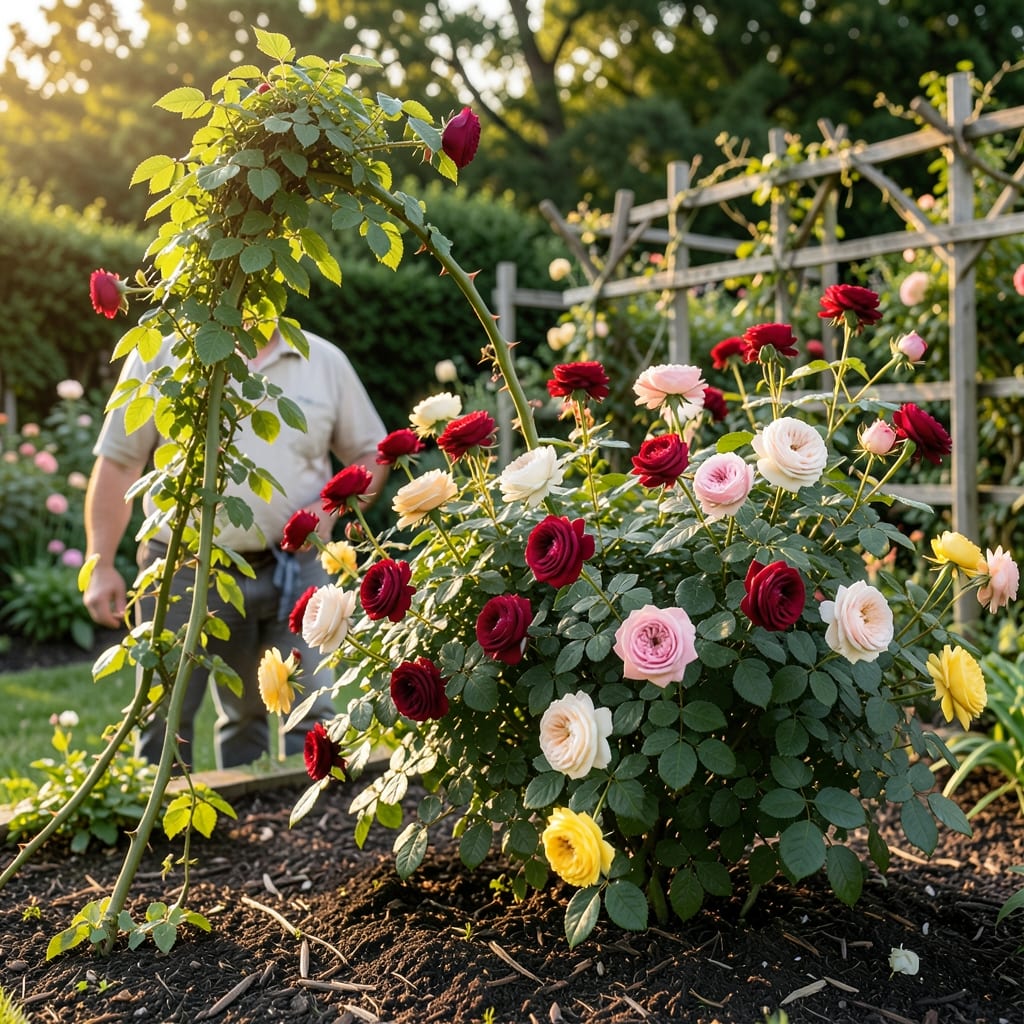
If you've ever wondered just how tall your 🌹 rose bush can grow—or whether that towering climber is normal—you're not alone. The answer depends more on the variety you choose than you might think, with some reaching 20 feet while others stay neatly contained at just 2 feet.
Picture this: a climbing rose draping elegantly over a pergola or a compact shrub rose adding charm to your garden bed. The key difference? Genetics, pruning habits, and even your local climate all play a role in shaping your rose's ultimate height. Let's break down what you can realistically expect from your favorite varieties.
Most gardeners focus on pruning to control height, but did you know some roses naturally grow taller than others? For example, a standard rose grafted onto a strong stem can easily hit 6-8 feet, while a dwarf rose stays cozy at 1-3 feet. The good news? With the right techniques, you can guide your rose's growth—whether you want it sky-high or neatly trimmed.
In this guide, I'll walk you through the height ranges of popular rose types, how pruning affects growth, and the 5 biggest factors that influence how tall your rose bush will become. By the end, you'll know exactly what to expect—and how to shape your rose to fit your garden perfectly.

Rose bush height by variety: from dwarf to climbing giants
When choosing a rose bush, its mature height is one of the first decisions you'll make—because that determines everything from planting location to pruning strategy. The 🌹 rose world offers an incredible range, from tiny patio-friendly varieties to towering climbers that need a trellis or fence. Let me break down the height spectrum so you can pick the perfect fit for your space.
Most roses fall into four main height categories: dwarf (1-3 feet), shrub (3-6 feet), standard (5-8 feet), and climbing (6-20+ feet). The variety you choose isn't just about aesthetics—it directly impacts how much space your rose will need to thrive. For example, a climbing rose like 'New Dawn' can reach 15-20 feet when given proper support, while a dwarf rose like 'The Fairy' stays neatly under 2 feet.
Here's where things get interesting: even within the same category, growth habits vary. Some shrub roses grow bushy and wide, while others stretch taller and leaner. Understanding these differences helps you avoid planting a 6-foot rose where you only have 3 feet of space. Let's dive into the specifics with real-world examples.
🌹 Rose Bush Height by Variety
| Variety Type | Mature Height | Growth Habit | Best For |
|---|---|---|---|
| Dwarf Roses | 1-3 ft | Compact, bushy | Containers, borders, small gardens |
| Shrub Roses | 3-6 ft | Upright, spreading | Foundation planting, hedges, mixed borders |
| Standard Roses | 5-8 ft | Tree-like, single trunk | Focal points, patios, entryways |
| Climbing Roses | 6-20+ ft | Long canes, needs support | Arbors, trellises, fences, pergolas |
| Rambling Roses | 10-25 ft | Wild, sprawling growth | Large gardens, naturalistic planting |
Note: Heights are approximate and can vary based on pruning, soil quality, and climate. Always check specific variety details before planting.
If you're working with limited space, dwarf roses are the way to go. Varieties like 'Bonica' or 'Playboy' stay under 3 feet but still produce stunning blooms. These are perfect for container gardening or lining walkways. I've seen gardeners create entire rose gardens in small urban yards using these compact varieties—proof that you don't need a large space to enjoy roses!
For those with more room, shrub roses offer the best balance between height and manageability. They typically reach 3-6 feet and create beautiful, low-maintenance hedges. Popular choices include 'Knock Out' roses, which stay around 4 feet tall and bloom continuously. These roses are disease-resistant and perfect for foundation planting around homes.
The real showstoppers are climbing roses and standard roses. Climbers like 'Blaze' or 'Zephirine Drouhin' can reach 15-20 feet when given proper support. I once helped a neighbor train a 'New Dawn' rose up a 12-foot arbor, and the results were breathtaking during peak bloom. These roses need sturdy trellises or fences but reward you with dramatic vertical interest.
Standard roses are essentially shrub roses grafted onto tall stems, creating a tree-like appearance. The 'Chicago Peace' standard rose, for example, typically grows to 6-8 feet tall. These make stunning focal points in gardens or as accent plants near patios. The key with standards is to provide staking support early to prevent them from toppling in wind or storms.
Don't overlook rambling roses if you have space to spare. These are the true giants of the rose world, with varieties like 'Rambling Rector' reaching 20 feet or more. They grow in a wild, sprawling manner and are perfect for covering large fences
How pruning affects rose bush height: when and how to control growth
Pruning isn't just about shaping your rose bush—it's the secret weapon for controlling height. Whether you want a compact shrub or a towering climber, your pruning approach makes all the difference. I've seen 6-foot roses kept neatly at 3 feet through strategic pruning, while neglected climbers can sprawl uncontrollably. The key is understanding when to prune and how aggressively, based on your rose's natural growth habit.
For climbing roses, pruning actually encourages height. These varieties need minimal pruning to reach their full potential—just remove dead wood and shape the canes to guide growth upward. I once trained a 'Blaze' climbing rose to reach 15 feet by pruning just the lower branches, letting the main canes climb my arbor. The rule here is: prune less to grow taller. For shrub roses, however, you'll prune more heavily to maintain a compact shape and encourage bushier growth.
Timing is everything when it comes to pruning for height control. The best time to prune most roses is late winter or early spring, just before new growth begins. This gives your rose plenty of time to recover and establish new canes before summer. Avoid heavy pruning in fall or winter, as this can leave your rose vulnerable to cold damage and disease. I always mark my calendar for February or March—right after the last frost—to do my main pruning.
⚠️ Pruning Pitfalls That Stunt Growth
Pruning too late in the season can delay blooming and weaken your rose. Here's what to avoid:
- Pruning after June removes next year's flower buds
- Cutting into old wood (more than 3 years old) reduces vigor
- Using dull tools causes jagged cuts that invite disease
- Over-pruning climbers limits their natural upward growth
Pro Tip: Always prune at a 45-degree angle just above an outward-facing bud to encourage healthy growth.
Your pruning technique should match your rose's growth habit. For shrub roses, aim to create an open center by removing inward-growing branches. This improves airflow and prevents disease while keeping the bush compact. I like to leave 3-5 main canes on my shrub roses, cutting back each to about 18-24 inches tall. For standard roses, focus on removing suckers from the base and thinning out crowded branches to maintain that tree-like shape.
Don't forget about ongoing maintenance pruning throughout the growing season. After each flush of blooms, I remove spent flowers and any weak or crossing branches. This keeps my roses looking tidy while encouraging more blooms. For climbers, I only prune to remove dead wood or branches that aren't climbing in the right direction. The goal is to guide growth, not restrict it.
Remember that young roses need gentler pruning. In their first year, focus on establishing a strong structure by removing only dead or diseased wood. Over-pruning young plants can set them back and delay flowering. I've seen many gardeners make this mistake and end up with roses that take years to reach their full potential. Patience is key—give your rose time to develop a strong root system before aggressive pruning.