
Flowers
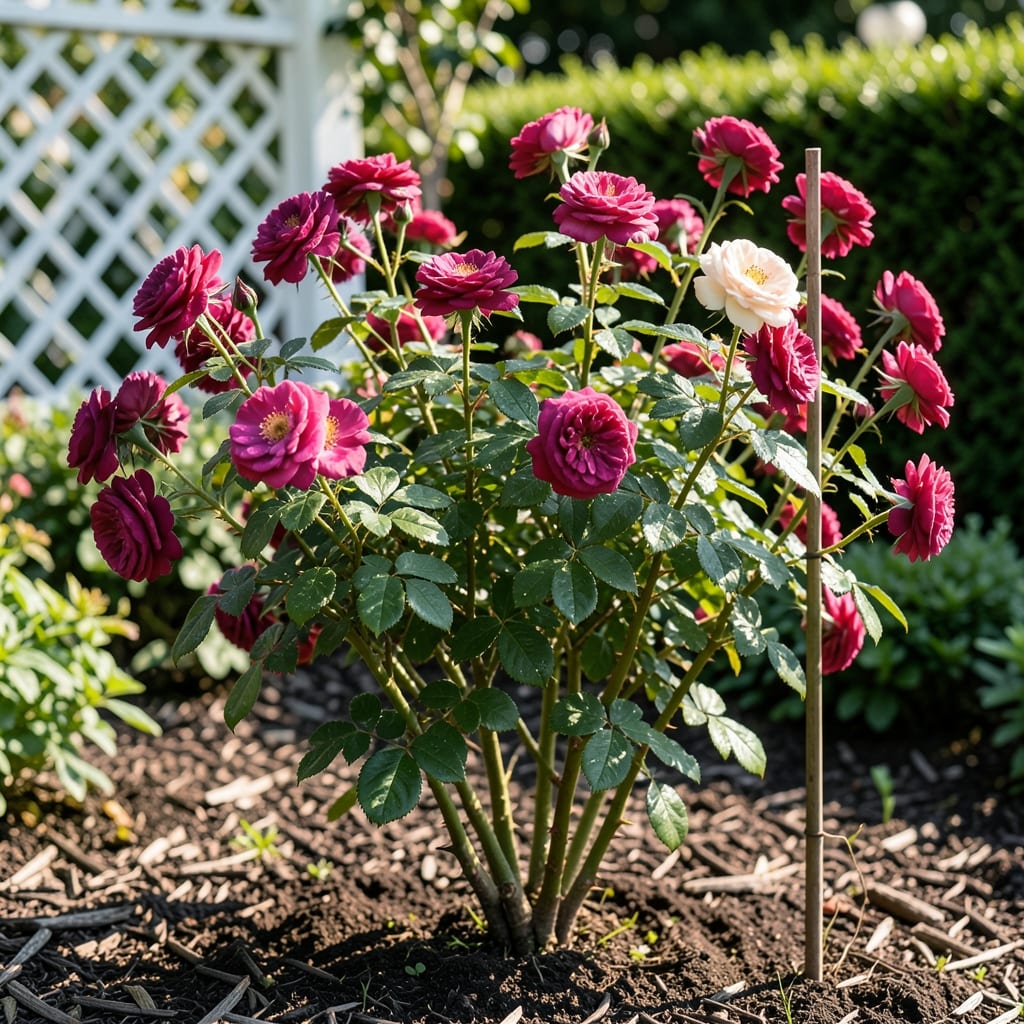
Wondering how tall can a rose grow? Some varieties reach heights that make your garden feel like a fairy-tale castle—imagine 12-foot blooms climbing trellises or arbors! While most roses stay between 3 and 5 feet, climbers and standard roses can tower over you with the right care.
The secret to sky-high roses lies in choosing the right variety and giving them proper support. Dwarf roses might stay under 3 feet, but climbers like Zephirine Drouhin can stretch 20 feet or more with training. Whether you're working in USDA Zone 6a or elsewhere, sunlight, pruning, and soil play huge roles in how tall your roses will grow.
If you’ve ever dreamed of roses reaching the second story of your home, you’re in the right place. I’ll break down the tallest varieties, how to train them without breaking branches, and the simple tricks to keep them thriving. Ready to turn your garden into a vertical masterpiece?
From spring planting to seasonal maintenance, we’ll cover everything you need to know to grow roses that defy gravity—without sacrificing beauty. Let’s get started!


Rose varieties that grow over 10 feet tall (and how high they really reach)
Not all roses stay small—some varieties are built for vertical gardens, reaching heights that rival small trees. The tallest roses belong to the climbing and shrub categories, with mature heights ranging from 10 to 20 feet. These giants need proper support but reward you with dramatic blooms and lush foliage that turn heads. Let’s explore the top towering varieties and what makes them grow so high.
Climbing roses like Rosa ‘New Dawn’ can hit 12 to 15 feet with the right care, while Rosa ‘Zephirine Drouhin’ (a rambling type) stretches up to 20 feet if given a sturdy trellis. Even shrub roses like Rosa ‘Blaze’ can grow 8 to 10 feet tall, making them perfect for tall fences or pergolas. The key? Genetics, pruning, and support systems.
🌹
| Variety | Type | Mature Height | Growth Habit | Climate Zone |
|---|---|---|---|---|
| Rosa ‘New Dawn’ | Climbing | 12–15 ft | Fast-growing, arching canes | 4–9 |
| Rosa ‘Zephirine Drouhin’ | Rambling | 15–20 ft | Long, flexible stems | 5–9 |
| Rosa ‘Blaze’ | Shrub | 8–10 ft | Upright, bushy | 3–9 |
| Rosa ‘F.J. Grootendorst’ | Climbing | 10–12 ft | Thornless, sprawling | 4–9 |
| Rosa ‘American Beauty’ | Climbing | 12–15 ft | Vigorous, repeat bloomer | 5–9 |
If you’re in USDA Zones 4–9, Rosa ‘New Dawn’ is a top pick for its disease resistance and prolific blooms. For coastal gardens, Rosa ‘Zephirine Drouhin’ thrives in humid climates but needs extra support due to its long, flexible canes. Meanwhile, Rosa ‘Blaze’ is ideal for smaller spaces where you want height without overwhelming width.
For urban gardeners, consider dwarf climbers like Rosa ‘The Fairy’, which maxes out at 6 feet but still offers compact elegance. These varieties prove that big blooms don’t require big yards. Just ensure they get full sun (6+ hours daily) and well-draining soil to reach their full potential.
🌿
One common misconception is that all tall roses need trellises. While climbers absolutely require support, shrub roses like Rosa ‘Blaze’ can stand alone if pruned correctly. The trick is to remove dead wood in late winter and thin out crowded canes to encourage vertical growth. Without proper pruning, even the tallest varieties can become top-heavy and prone to wind damage.
💡Pro Tip: Train young canes along a support structure early—this guides their growth upward naturally. For rambling roses, use soft ties (like
How to train and support giant roses without breaking the bank
Growing a 12-foot rose sounds like a dream, but without proper support systems, those towering canes can snap under their own weight—or worse, collapse during storms. The good news? You don’t need expensive commercial trellises to train your roses vertically. With a few DIY techniques and seasonal maintenance, you can guide even the tallest varieties (like Rosa ‘Zephirine Drouhin’) to climb gracefully. Let’s break down the affordable, effective methods to keep your roses standing tall.
First, choose the right support structure based on your rose’s growth habit. Climbing roses need strong, rigid supports (like metal arbors or wooden trellises), while rambling roses thrive on flexible systems (such as cables or wire mesh). For shrub roses, stakes or cages work well to prevent sprawling. The key is to install supports at planting time—waiting until the rose is already growing will stress the plant and make training harder.
🌿
Next, master the art of pruning for height. For climbing roses, prune in late winter to remove dead or crossing canes and encourage strong upward growth. Leave 3–5 main canes to climb, cutting back side shoots to 1–2 buds to redirect energy upward. For rambling roses, prune lightly—just remove weak growth—since they bloom on old wood. Avoid heavy pruning, or you’ll stunt their vertical potential.
Seasonal maintenance is critical. In spring, check ties for looseness—canes should have room to thicken but stay secure. During summer, water deeply at the base (not the foliage) to prevent fungal diseases that weaken stems. In fall, add mulch around the base to protect roots from freeze-thaw cycles, which can cause stem breakage in winter.
💡Budget Tip: Repurpose materials like old ladders, bamboo stakes, or even chicken wire wrapped around a wooden post for a low-cost trellis. For large roses, drive a 6-foot stake into the ground and attach horizontal wires every 18 inches to create a DIY pergola. Just ensure the structure is buried or anchored deeply to handle wind and weight.
Finally, monitor your rose’s growth direction. If canes start sprawling sideways, gently weave them upward along the support and secure with ties. For top-heavy varieties, consider pruning the top slightly in mid-summer to balance the plant. With these techniques, your 10+ foot roses will grow strong, straight, and stunning—without the high cost of fancy trellises.
✂️