
Trees
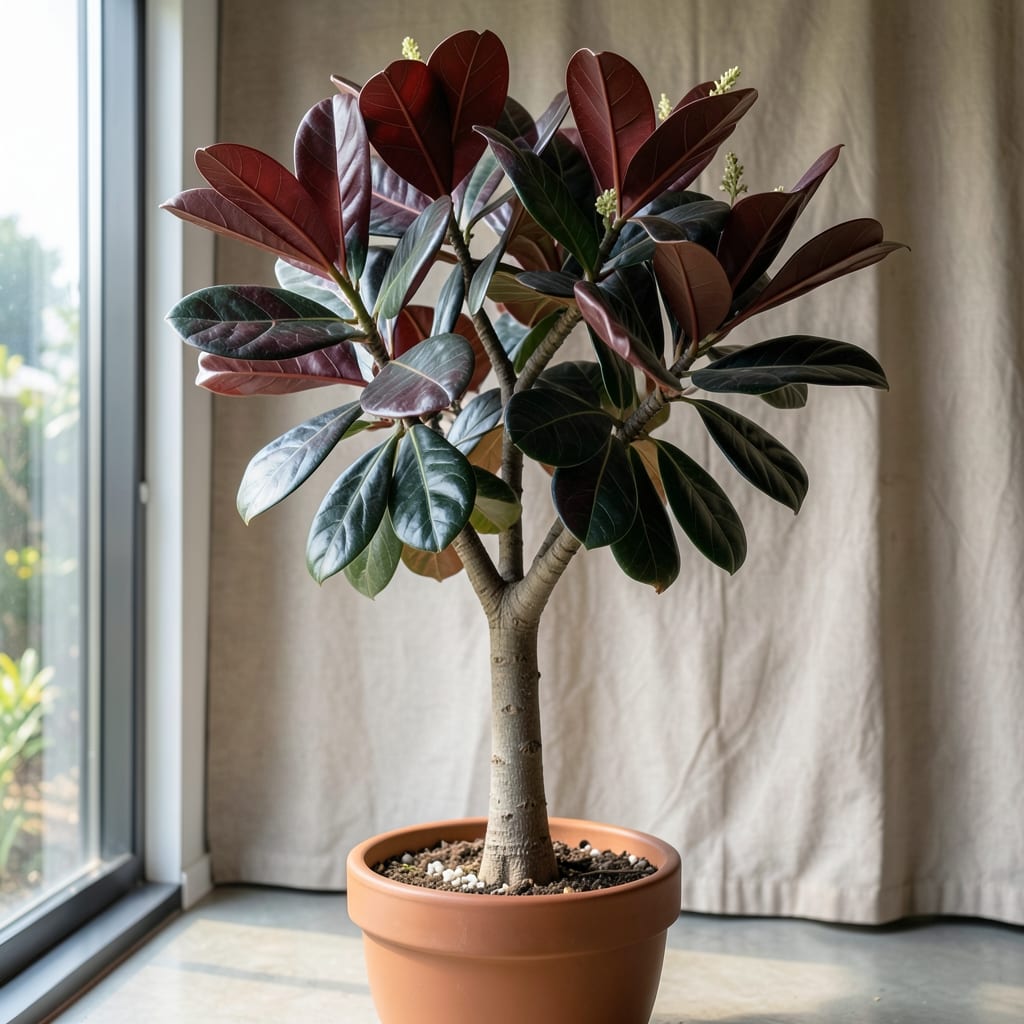
Rubber tree height by growing environment: indoor vs outdoor limits
Your rubber tree's (Ficus elastica) growth potential depends entirely on its environment. In controlled indoor spaces, these trees typically max out at 6-10 feet with proper care, while outdoor specimens can soar to 50+ feet under ideal conditions. The difference comes down to light exposure, space, and pruning habits—let's break down the key factors shaping your tree's height destiny.
Indoor rubber trees grow slower due to limited light and space constraints. Without regular pruning, they'll stretch toward light sources, creating leggy growth patterns. Outdoors, they thrive in their natural habitat with abundant sunlight, encouraging rapid vertical growth. Understanding these differences helps you set realistic expectations for your specific growing conditions.
Here’s how the two environments compare side by side—so you can see exactly what to expect from your rubber tree’s growth trajectory:
| Factor | Indoor Growth | Outdoor Growth |
|---|---|---|
| Mature Height Range | 6-10 ft | 30-50 ft |
| Growth Rate | 6-12 inches/year | 2-3 ft/year |
| Light Requirements | Bright indirect | Full sun to partial shade |
| Space Needs | Limited by ceiling height | Unrestricted vertical space |
| Pruning Impact | Essential for shape control | Less critical for height |
| Water Needs | Moderate (weekly) | Higher (bi-weekly) |
Notice how outdoor rubber trees grow 3-5 times faster than their indoor counterparts? This dramatic difference stems from their natural tropical environment where they receive direct sunlight and unobstructed vertical space. Even in optimal indoor conditions, your rubber tree will never match an outdoor specimen's height—unless you're willing to invest in grow lights and aggressive pruning strategies.
The light spectrum plays a crucial role too. Indoor rubber trees often develop etiolation—where stems elongate excessively toward light sources—while outdoor trees develop sturdy trunks from wind resistance and full-spectrum sunlight. If you're growing indoors, position your tree within 3-5 feet of a south or west-facing window to maximize growth potential.
Another key factor is root space. Indoor rubber trees become root-bound quickly in small pots, which stunts their vertical growth. Outdoors, they develop expansive root systems that support their towering stature. If you're keeping your rubber tree indoors long-term, upgrade to a 15-20 gallon pot every 2-3 years to accommodate its growing roots and encourage healthier upward growth.
For those with high ceilings, rubber trees can become stunning architectural features. I've seen specimens in conservatories reach 12-15 feet with proper care, including regular rotations to ensure even growth and supplemental grow lights during winter months. The key is maintaining consistent light exposure from all directions to prevent lopsided growth patterns.
Outdoor rubber trees in tropical climates can live for decades and reach heights comparable to small trees. In USDA zones 10-12, they thrive year-round, while in cooler zones, they're often grown as container plants that can be brought indoors during winter. This dual-environment approach lets you enjoy the best of both worlds—outdoor growth potential with indoor flexibility.
Remember that pruning habits dramatically affect height. Regular pruning encourages bushier growth and can keep indoor specimens at a manageable height, while minimal pruning outdoors allows them to reach their full potential. We'll cover pruning techniques in detail in the next section—so you can tailor your approach to your specific space constraints.
If you're dreaming of a floor-to-ceiling rubber tree, start with a healthy young plant and provide optimal growing conditions. With patience and proper care, you can grow a specimen that becomes the centerpiece of your indoor jungle—without it ever needing that ceiling upgrade.
Rubber tree height by growing environment: indoor vs outdoor limits
The height of your rubber tree (Ficus elastica) depends almost entirely on where you grow it. In indoor spaces, these trees typically reach 6 to 10 feet tall over 5–10 years, while outdoor specimens can soar to 35+ feet in ideal conditions. This dramatic difference comes down to space, light, and care—let’s break it down.
Indoors, your rubber tree’s growth is naturally limited by ceiling heights and container sizes. Without pruning, it may stretch toward 12 feet in a sunroom, but most homeowners keep it under 8 feet for manageability. Outdoors, however, these trees thrive in tropical climates (USDA Zones 10–12) and can grow 3–5 feet per year under perfect conditions.
🌿
Outdoor rubber trees grow taller and faster because they have unrestricted space and more sunlight. In tropical climates, they can reach 50 feet in 20 years, while in cooler zones (9–10), growth slows to 15–20 feet. The key difference? Root space—outdoor trees develop deep, expansive root systems that fuel rapid vertical growth.
Even indoors, you can accelerate growth by placing your rubber tree near a south-facing window (with filtered light) and using a larger pot (12+ inches in diameter). However, overwatering or root-bound conditions will stunt growth, so always use well-draining soil and repot every 2–3 years.
If you’re worried about your indoor rubber tree outgrowing its space, don’t panic—pruning is the easiest way to control height while encouraging a fuller, bushier shape. Just time it right: spring or early summer is ideal for height reduction without stressing the plant.
🪴