
How To
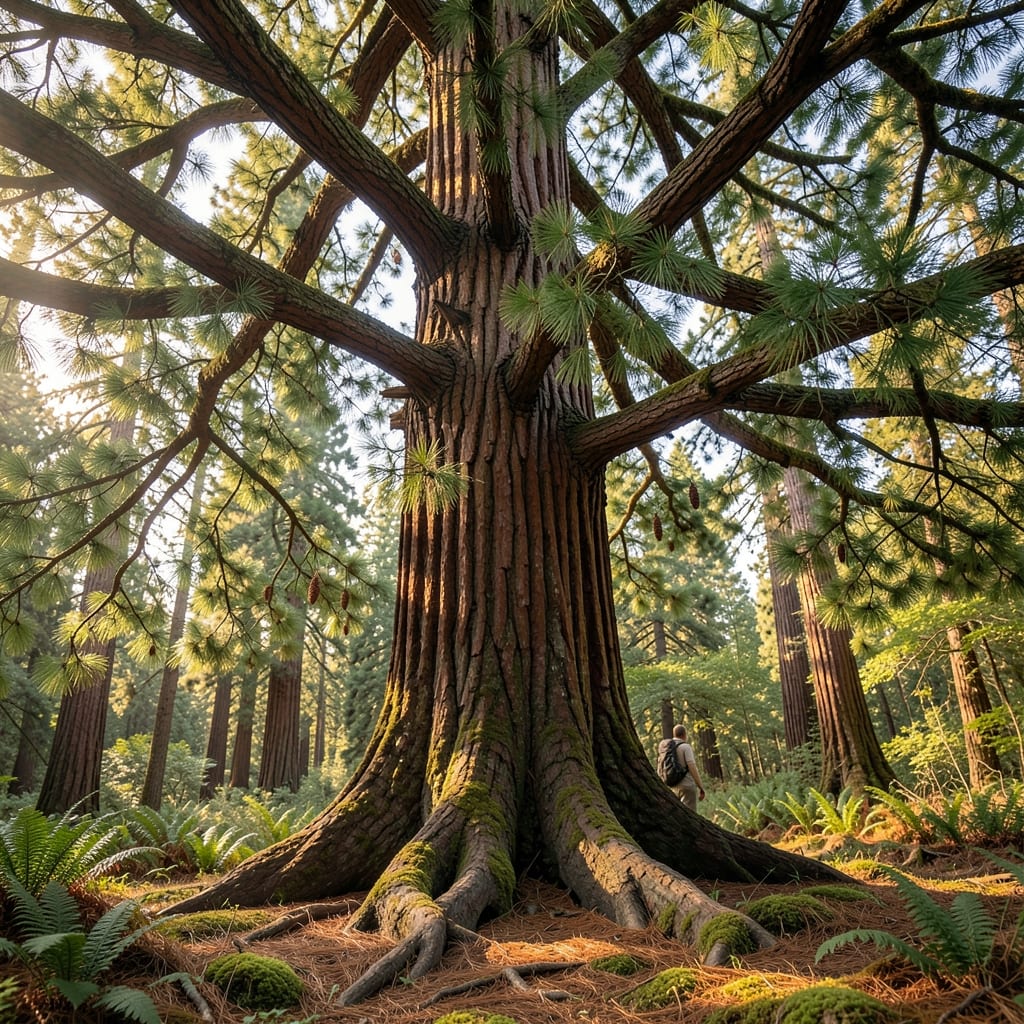
If you’ve ever stood beneath a sequoia tree and felt like an ant next to a skyscraper, you’re not imagining things—these 🌲 giants can grow how tall can a sequoia tree grow taller than a 30-story building, reaching heights that defy belief. The tallest sequoias on Earth stretch over 380 feet, making them the largest living organisms by volume. But what makes them grow so massive, and how can you appreciate their grandeur in your own backyard?
Most people assume sequoias need a special climate to reach their full potential, but the truth is even more fascinating. These trees thrive in USDA Zone 6a and beyond, where late spring to early summer planting gives them the best start. Their rapid early growth—gaining 1-2 feet in just the first year—sets the stage for their legendary stature. The key lies in their deep root systems and genetic adaptations that let them soak up moisture and nutrients like no other tree.
You might wonder if you could ever grow one of these towering beauties in your own space. While they’re not practical for most gardens, understanding their growth habits helps you appreciate why they’re nature’s true giants. From the Giant Sequoia (Sequoiadendron giganteum) to the Coast Redwood (Sequoia sempervirens), each species has its own record-breaking story. Let’s dive into the science and secrets behind their staggering heights.
Whether you’re dreaming of planting a sequoia or simply marveling at their existence, knowing how they grow will change how you see these ancient wonders. These trees aren’t just tall—they’re a testament to nature’s ability to create living monuments that last for centuries. Ready to learn more?


The staggering height records of giant sequoias and Coast Redwoods
When it comes to towering trees, few species rival the sequoias—the Giant Sequoia (Sequoiadendron giganteum) and Coast Redwood (Sequoia sempervirens). These ancient giants aren’t just the tallest trees on Earth; they’re also the most massive by volume. But which one grows taller? The answer might surprise you.
Giant Sequoias, native to California’s Sierra Nevada mountains, are famous for their width—some have trunks wider than a 30-foot diameter. However, their height often lags behind their redwood cousins. The tallest Giant Sequoia, named General Sherman, stands at a mere 275 feet but boasts a staggering 52,500 cubic feet of wood—more than any other tree on the planet.
Coast Redwoods, on the other hand, thrive in the foggy coastal climates of Northern California and Oregon. They’re the tallest trees in the world, with the record-holder, Hyperion, stretching an astonishing 380 feet into the sky. That’s taller than a 30-story building! Their slender trunks and dense foliage allow them to reach these incredible heights.
While Giant Sequoias may not grow as tall, their thickness and longevity make them equally impressive. Some Giant Sequoias live for over 3,000 years, while Coast Redwoods typically reach 1,200–2,200 years. Both species rely on fire-resistant bark and deep root systems to survive their harsh environments.
🌲
🌲 Sequoia Height Comparison
| Species | Record Height | Average Height | Native Region | Key Adaptation |
|---|---|---|---|---|
| Giant Sequoia (Sequoiadendron giganteum) | 275 ft (General Sherman) | 150–250 ft | Sierra Nevada, California | Fire-resistant bark, massive trunk |
| Coast Redwood (Sequoia sempervirens) | 380 ft (Hyperion) | 200–300 ft | Northern California/Oregon coast | Slender trunk, dense foliage, fog adaptation |
The environmental factors shaping their growth are fascinating. Giant Sequoias thrive in dry, mountainous climates with cold winters and warm summers, while Coast Redwoods rely on coastal fog and high humidity. Both species need well-draining soil and plenty of space to reach their full potential.
If you’ve ever visited a sequoia grove, you’ve likely stood in awe of their sheer size. The General Grant Tree, another Giant Sequoia, measures 268 feet tall with a 42-foot diameter trunk. Meanwhile, the Chandelier Tree, a Coast Redwood, stretches 369 feet tall—just shy of Hyperion’s record.
Growth rates also differ between the two. Young Giant Sequoias grow 2–3 feet per year, while Coast Redwoods can grow 4–5 feet annually in ideal conditions. However, as they mature, their growth slows dramatically, with some centuries-old trees adding only a few inches per year.
🌳
Understanding these height records helps us appreciate the resilience and adaptability of these trees. Whether you’re planning a backyard garden or simply admiring them in a national park, sequoias remind us that nature’s giants aren’t just tall—they’re timeless.
How sequoias grow to such monumental heights: science behind the growth
Ever wondered how a sequoia tree can grow taller than a 30-story building? The answer lies in their genetic blueprint and environmental advantages. Unlike most trees, sequoias have evolved rapid early growth—young sequoias can shoot up 3-5 feet per year in their first decade. This explosive growth phase sets the foundation for their eventual 380-foot stature.
Their deep root systems play a crucial role too. Sequoias develop roots that extend 100 feet deep or more, allowing them to access water and nutrients from underground reservoirs. This adaptation is especially vital in their native dry mountain climates where surface water is scarce.
🌱
🌱 Sequoia Growth Science
| Growth Stage | Height Gain | Key Factor | Duration |
|---|---|---|---|
| Seedling | 1-2 ft/year | Rapid cell division | 0-5 years |
| Juvenile | 3-5 ft/year | Deep roots access water | 5-20 years |
| Mature | 1-2 ft/year | Photosynthesis efficiency | 20-100+ years |
| Ancient | 1-2 inches/year | Resource competition | 100+ years |
Another secret to their height is their needle-like foliage. Unlike broadleaf trees, sequoias have thin, scale-like leaves that reduce water loss while maximizing sunlight capture. This water-efficient design allows them to thrive in arid conditions where many trees would wither.
Their fire-resistant bark is equally impressive. The thick, fibrous bark contains natural fire retardants that protect the tree from wildfires—a common occurrence in their native habitats. This adaptation actually stimulates growth by opening the bark to release seeds and nutrients.
🌲
The climate conditions in their native ranges create perfect growing environments. Giant Sequoias thrive in cold, snowy winters followed by warm, dry summers, while Coast Redwoods benefit from coastal fog that provides constant moisture. Both species need well-draining soil rich in organic matter to support their massive root systems.
What makes sequoias truly unique is their genetic resilience. Studies show they can regenerate from stumps and even grow new trees from fallen branches. This ability to rejuvenate after damage ensures their survival across centuries, allowing them to reach their record-breaking heights.