
Size
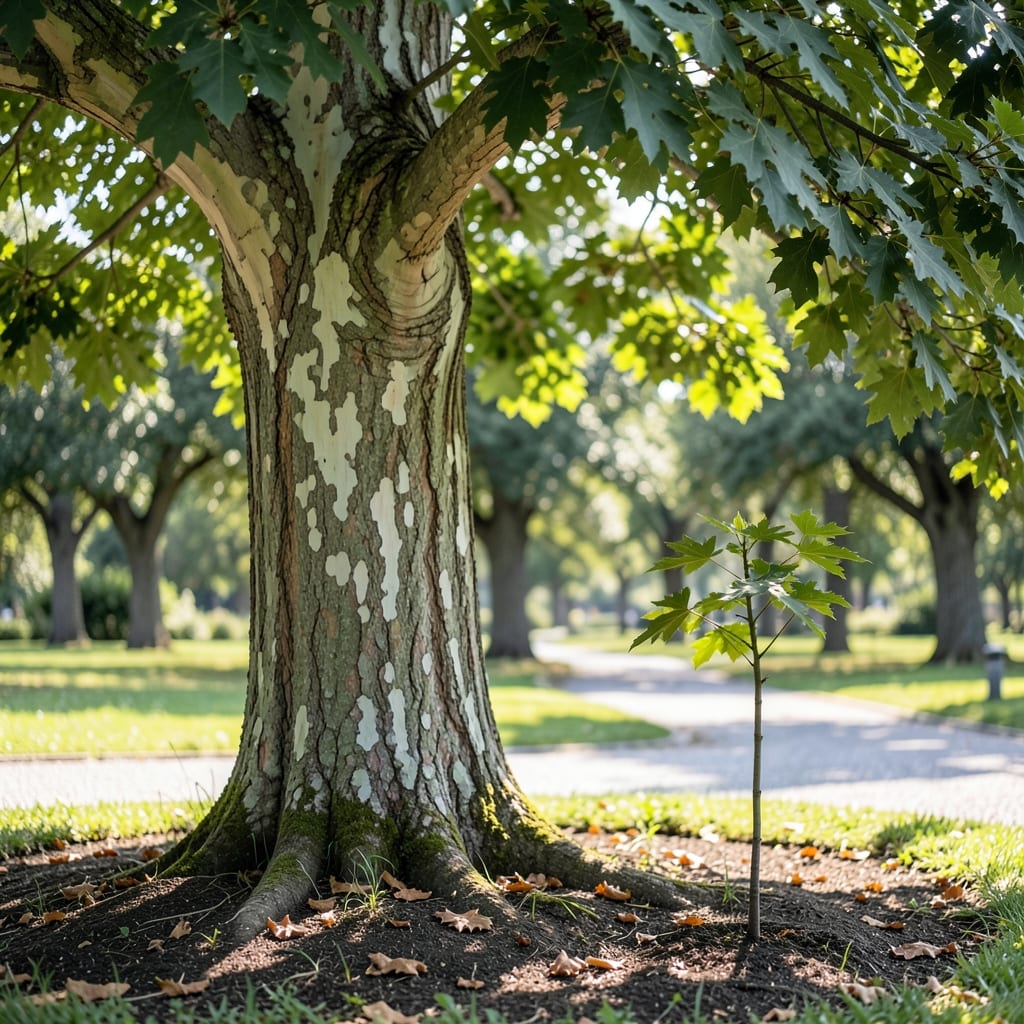
If you’ve ever wondered just how tall a sycamore tree 🌳 can grow, the answer might surprise you—this majestic giant can soar to 120 feet or more under ideal conditions! Whether you're dreaming of a towering shade provider for your yard or curious about its urban potential, understanding its growth habits is key.
The sycamore tree’s height isn’t just about genetics—soil quality, climate, and even pruning practices play a huge role. In regions like the Southeast, where moisture and warmth thrive, these trees reach their fullest potential, while cooler zones may see slightly slower growth. Knowing your local conditions helps you set realistic expectations.
For gardeners, spacing is everything. A mature sycamore needs 40-60 feet of clearance to avoid crowding other plants or structures. But don’t let its size intimidate you—with the right care, you can manage its growth and enjoy its beauty for decades.
Ready to learn how to nurture one of nature’s skyscrapers? I’ll break down everything you need to know, from planting tips to long-term maintenance, so you can make the most of this stunning tree’s potential.

Sycamore tree height by region: what to expect in different climates
The sycamore tree’s mature height varies dramatically depending on where you plant it. In the Southeastern U.S., where humidity and heat thrive, these trees often reach 90-120 feet—towering over nearby structures. Meanwhile, in the Midwest or Northeast, cooler climates may limit growth to 60-80 feet due to shorter growing seasons. Understanding these regional differences helps you plan for the right space and care.
Urban environments can also impact height. Sycamores planted along city streets or in compact yards may grow 20-30% shorter due to restricted root space and pollution. However, in rural areas with ample room, they’ll stretch toward their full potential. Always check local USDA hardiness zones (zones 4-9) to gauge growth expectations.
Here’s how sycamore heights compare across key U.S. regions:
| Region | Average Mature Height | Growth Rate (Per Year) | Key Limiting Factor |
|---|---|---|---|
| Southeast (e.g., Florida, Georgia) | 90–120 ft | 3–5 ft | Humidity, warm winters |
| Midwest (e.g., Missouri, Ohio) | 60–80 ft | 2–4 ft | Shorter growing season |
| Northeast (e.g., Pennsylvania, New York) | 70–90 ft | 2.5–4 ft | Cold winters, soil quality |
| Southwest (e.g., Texas, Arizona) | 50–70 ft | 1.5–3 ft | Drought, alkaline soil |
| Urban Areas (Nationwide) | 40–60 ft | 1–2 ft | Root restriction, pollution |
In the Southeast, sycamores grow fastest due to year-round warmth and moisture, while the Southwest sees slower growth unless irrigated regularly. Urban trees often suffer from root competition and pollution stress, so planting them in larger yards or parks maximizes their height potential. Always test your soil’s pH (6.0–7.5 ideal) and drainage before planting.
Climate isn’t the only factor—water access also plays a role. Sycamores in floodplains or near rivers can grow taller due to natural irrigation, while those in dry climates may stay shorter unless supplemented with deep watering. If you’re in a drought-prone area, consider planting near a water source or installing a drip irrigation system.
For gardeners in USDA Zone 5 or colder, expect slower growth but still impressive heights (60–80 ft) with proper care. In these zones, mulching and winter protection (like wrapping the trunk) can help maintain vigor. Always research your local microclimate—urban heat islands, for example, can push heights closer to Southeast levels even in cooler regions.
Pro tip: If you’re planting near power lines, opt for the London Plane sycamore (Platanus × acerifolia), a hybrid that’s slightly shorter (70–90 ft) but more resistant to pests and urban stress. Both varieties thrive in full sun, but the London Plane adapts better to polluted air, making it ideal for cities.
Ready to measure your space? A mature sycamore’s canopy spreads 50–70 feet wide, so ensure your yard has enough room to avoid future pruning headaches. In the next section, I’ll cover how to control height through pruning and other care tips to keep your sycamore healthy and manageable.
Key factors that determine how tall a sycamore tree grows
The sycamore tree’s mature height isn’t just about luck—it’s a mix of soil quality, sunlight exposure, and water availability. In ideal conditions, these factors can push a sycamore to 120 feet, but poor soil or shade can stunt it to 40-60 feet. Let’s break down what truly controls its towering growth.
First, soil type is critical. Sycamores thrive in moist, well-draining soil with a pH of 6.0–7.5. Heavy clay or sandy soils limit root growth, reducing height potential. Amending soil with compost or organic matter gives roots the space to expand, fueling faster vertical growth. In urban areas, compacted soil can shrink a sycamore’s height by 30% or more.
Here are the top 5 factors that determine how tall your sycamore will grow:
- 🌱 Soil Quality: Rich, loamy soil with good drainage fuels rapid growth. Test your soil’s pH and amend if needed.
- ☀️ Sunlight: Full sun (6+ hours daily) maximizes height. Shade reduces growth by 20-40%.
- 💧 Water Access: Deep watering (15-20 gallons weekly) supports tall growth. Drought stunts height by 15-25%.
- ✂️ Pruning Practices: Over-pruning slows growth, while strategic cuts can encourage height. Avoid topping!
- 🌡️ Climate: Warm, humid regions (Southeast) boost growth; cold zones (Northeast) limit it.
Let’s dive deeper into sunlight. Sycamores need 6-8 hours of direct sun daily to reach their full height. In shady yards, growth slows dramatically—expect 20-40% shorter trees. If your yard has partial shade, plant the London Plane sycamore, which tolerates 3-4 hours of sun better than the American sycamore.
Water plays a surprising role too. While sycamores are drought-tolerant once established, young trees need deep, consistent watering to grow tall. In dry climates, supplement with drip irrigation or mulch heavily to retain moisture. A well-watered sycamore in the Southeast can grow 3-5 feet per year, while one in the Southwest might only add 1-2 feet without extra care.
Pruning is another game-changer. Over-pruning—especially topping—can stunt height by reducing energy flow to the trunk. Instead, focus on structural pruning in late winter to shape growth without limiting vertical expansion. If you’re concerned about height, prune lower branches to encourage upward energy, but avoid cutting more than 25% of the canopy at once.
Finally, root competition from nearby trees or structures can shrink a sycamore’s height by up to 50%. Always plant saplings 40-60 feet from buildings, fences, or other trees. In urban settings, consider the London Plane hybrid, which adapts better to root restrictions while still reaching 70-90 feet. With the right conditions, your sycamore could become a backyard skyscraper—but neglect any of these factors, and you’ll end up with a much shorter shade provider.