
How To
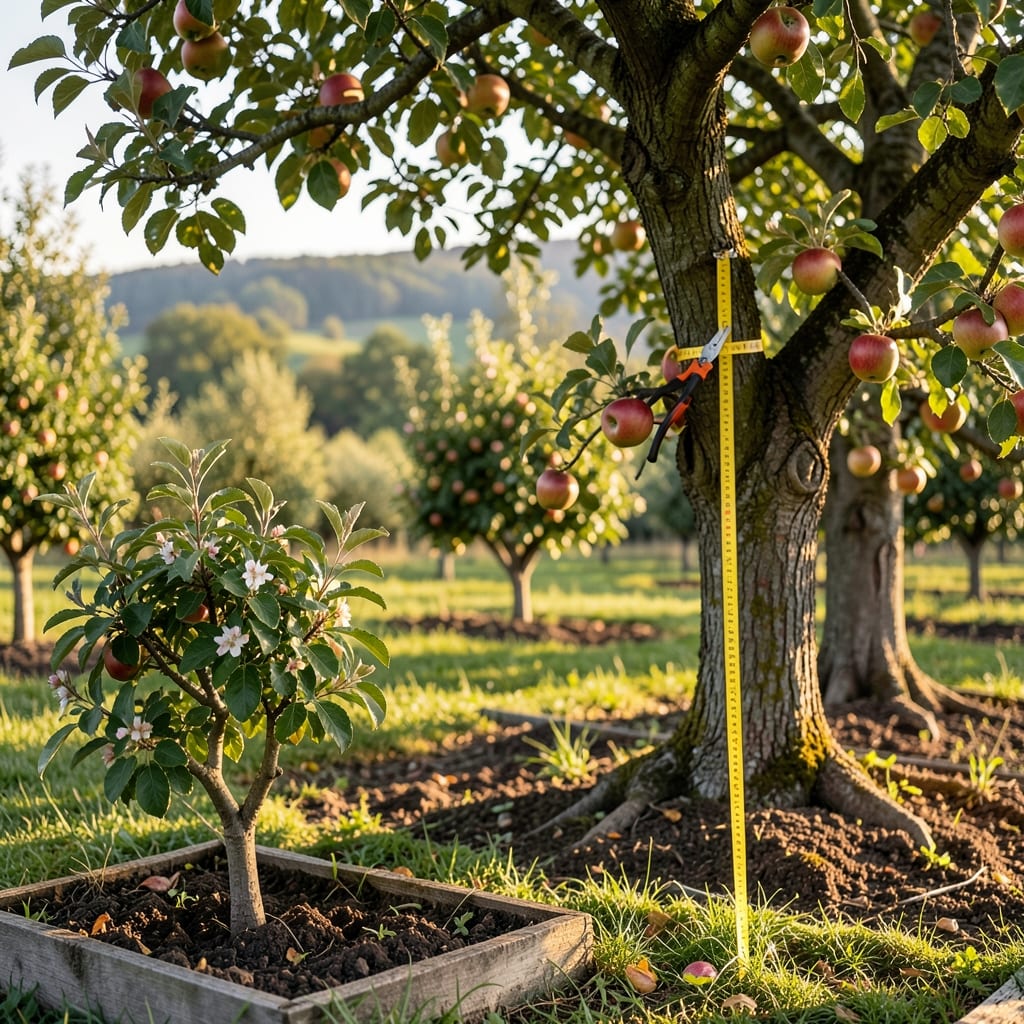
Ever wondered just how tall that 🍎 Apple Tree in your backyard could grow—or why some varieties stay small while others reach sky-high? The answer lies in the tree’s genetics, rootstock, and the care you provide, and it’s more flexible than you might think.
If you’ve ever pictured a towering orchard tree or dreamed of a compact Apple Tree that fits neatly in your urban garden, you’re not alone. The truth is, apple trees can range from 6 feet to over 40 feet tall, depending on the variety and how you manage its growth. Whether you’re working with a dwarf rootstock or a full-sized standard, understanding these differences is the key to choosing the perfect tree for your space—and your harvest goals.
But here’s the thing: height isn’t just about aesthetics. The size of your Apple Tree directly impacts how much fruit it produces, how easy it is to prune, and even its susceptibility to disease. That’s why knowing the right variety and care techniques can make all the difference between a manageable backyard tree and a maintenance nightmare.
In this guide, I’ll break down everything you need to know—from the smallest dwarf varieties to the tallest standard trees, plus the pruning and spacing tips to keep your 🍎 Apple Tree at your ideal height. Let’s get started!


Apple tree height by variety: from dwarf to monumental sizes
The height of your apple tree depends almost entirely on its variety and rootstock. Some varieties stay as small as 6 feet, perfect for containers or tiny yards, while others can soar to 40 feet or more, dominating your landscape like a natural skyscraper. Let’s explore the four main height categories—dwarf, semi-dwarf, standard, and monumental—and the varieties that define them.
Choosing the right size isn’t just about space—it’s also about fruit production, ease of care, and even disease resistance. A dwarf apple tree, for example, bears fruit earlier and is easier to prune, while a standard tree may yield more apples but requires more maintenance and space. Let’s dive into the specifics so you can pick the perfect fit for your garden.
🌱 Did You Know? Some monumental apple trees can live for over 100 years and grow taller than a three-story building! These ancient varieties were often planted in orchards where height wasn’t a concern—just productivity. Today, they’re rare but prized by collectors and large-scale farmers.
| Height Category | Mature Height | Popular Varieties | Best For |
|---|---|---|---|
| Dwarf | 6–12 ft | 'Red Delicious', 'Fuji', 'Gala' (on M9 rootstock) | Containers, small yards, urban gardens |
| Semi-Dwarf | 12–18 ft | 'Granny Smith', 'Honeycrisp', 'Pink Lady' (on MM106 or MM111) | Backyards, community gardens, small orchards |
| Standard | 20–40 ft | 'Jonathan', 'McIntosh', 'Golden Delicious' (on seedling rootstock) | Large properties, traditional orchards |
| Monumental | 40–60+ ft | 'Ashmead's Kernel', 'York Imperial' (on seedling or vigorous rootstock) | Historic estates, large farms, collector's gardens |
🌳 Note: Height can vary by 10–20% based on soil, sunlight, and pruning.
If you’re working with limited space, dwarf varieties like 'Gala' or 'Fuji' on M9 rootstock are your best bet. These trees typically max out at 8–10 feet and can even thrive in large containers with proper care. They’re also early bearers, meaning you’ll get fruit in just 2–3 years instead of waiting a decade for a standard tree.
For a balance between size and productivity, semi-dwarf trees like 'Honeycrisp' or 'Pink Lady' are ideal. Growing to 12–18 feet, they fit well in most backyards and produce high-quality fruit with minimal fuss. Plus, their height makes them easier to manage than standard trees but still yields a generous harvest.
On the other end of the spectrum, standard apple trees like 'McIntosh' or 'Golden Delicious' are the classic orchard giants. These trees can reach 30–40 feet and require ample space, but they’re hardy and produce abundant fruit for decades. If you have the room, they’re a fantastic choice for a traditional orchard feel.
And then there are the monumental apple trees, the true titans of the apple world. Varieties like 'Ashmead's Kernel' can grow to 60 feet or more and are often found in historic estates or large farms. These trees are low-maintenance once established but require significant space and professional pruning to keep them healthy and productive.
One common misconception is that taller trees always produce more fruit. In reality, dwarf and semi-dwarf trees often yield just as much per square foot of canopy because their smaller size allows for better air circulation and easier pruning. Meanwhile, standard and monumental trees may produce more total fruit, but it can be harder to harvest and maintain.
Before you plant, consider your garden layout and long-term goals. If you’re in an urban area with limited space, a dwarf
How rootstock affects apple tree height and growth habits
When choosing an apple tree, the rootstock is just as important as the variety itself. The rootstock determines not only how tall your tree will grow but also its cold hardiness, disease resistance, and even fruit production. Think of it as the foundation—without the right one, even the best apple variety won’t reach its full potential. For example, grafting a 'Honeycrisp' onto a dwarf rootstock like M9 will keep it compact, while the same variety on a seedling rootstock could grow into a towering giant.
Rootstocks are categorized by their size influence: dwarf, semi-dwarf, standard, and vigorous. Each has its own strengths, and selecting the right one for your climate and space is crucial. For instance, M9 is a popular dwarf rootstock that keeps trees between 6–10 feet tall, making it ideal for urban gardens, while MM106 produces semi-dwarf trees that reach 12–18 feet, perfect for backyards. Understanding these differences will help you avoid overcrowding and ensure your tree thrives.
🌱 Pro Tip: Always check the rootstock compatibility with your chosen apple variety. Some combinations may not yield well or could lead to stunted growth. For example, 'Granny Smith' thrives on MM111 rootstock, while 'Fuji' pairs beautifully with B9 for a balanced size.
| Rootstock Type | Mature Height | Cold Hardiness | Best For | Fruit Yield |
|---|---|---|---|---|
| M9 | 6–10 ft | Moderate (-15°F to -20°F) | Containers, small spaces | High (early bearing) |
| B9 | 8–12 ft | Moderate (-15°F to -20°F) | Urban gardens, patios | Very High |
| MM106 | 12–18 ft | High (-25°F to -30°F) | Backyards, small orchards | High |
| MM111 | 15–20 ft | Very High (-30°F to -40°F) | Cold climates, large yards | Moderate |
| Seedling | 20–40+ ft | Variable (depends on species) | Orchards, rural properties | Very High (late bearing) |
✂️ Note: Rootstocks like M9 require staking for the first year to support top-heavy growth.
One of the biggest misconceptions about rootstocks is that smaller trees always produce less fruit. In reality, dwarf and semi-dwarf trees often yield just as much—or even more—per square foot of canopy because their compact size allows for better air circulation and easier pruning. This reduces the risk of disease and pest infestations, which can plague larger trees. For example, a 'Gala' on M9 rootstock might produce 200–300 apples annually, while the same variety on a seedling rootstock could yield 500+ apples but in a much larger space.
If you live in