
Companion Plants
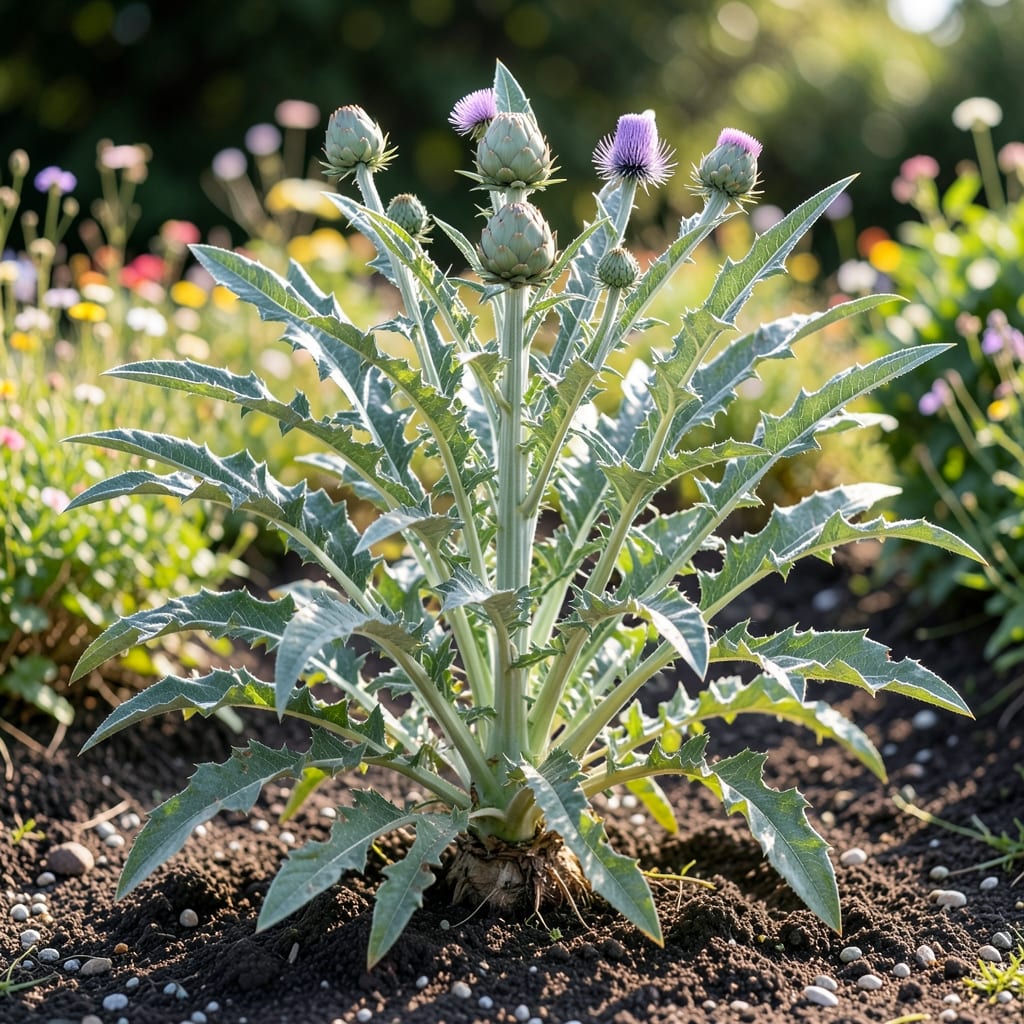
If you’ve ever wondered just how tall an artichoke plant can grow, you’re about to discover something surprising—these plants aren’t just edible; they’re vertical giants in your garden. A single globe artichoke plant 🌱 can stretch from a modest 3 feet in its first year to a towering 6 feet when fully mature, depending on the variety and care you provide.
But here’s the catch: not all artichokes reach the same heights. Globe varieties, the ones you’re most likely growing, typically hit that 4-6 foot range, while French and Roman types stay slightly shorter. The difference in height isn’t just about aesthetics—it affects how you prune, stake, and even harvest your plants.
Whether you’re planning your garden layout or curious about how to support these vertical veggies, understanding their growth potential is key. I’ll break down the exact heights by type, plus the factors that can make your artichokes grow taller—or keep them more manageable.
Ready to transform your garden into a lush, productive space? Let’s dive into the specifics so you can grow artichokes that not only feed you but also become the stars of your outdoor décor.


Artichoke plant height by variety: exact growth charts for common types
Artichoke plants 🌱 aren’t one-size-fits-all when it comes to height. The variety you choose determines whether your garden will feature 3-foot bushy plants or 6-foot towering stalks. Globe artichokes, the most popular type, typically reach 4-6 feet at maturity, while French and Roman varieties stay shorter at 3-4 feet. Sunchokes (Jerusalem artichokes) are the outliers, growing in clumping habits rather than vertical shoots.
Understanding these differences helps you plan spacing, support structures, and even harvest strategies. For example, globe artichokes need 18-24 inches of space between plants to avoid crowding, while French varieties can handle 12-18 inches. The height also impacts how you prune—taller plants require more frequent trimming to prevent toppling.
Below is a precise growth chart for the most common artichoke varieties, including their mature heights, growth habits, and ideal spacing. Use this as your guide to select the perfect type for your garden layout and climate.
| Variety | Mature Height | Growth Habit | Spacing Needs |
|---|---|---|---|
| Globe Artichoke (e.g., 'Green Globe') | 4-6 feet | Erect, sturdy stems | 18-24 inches apart |
| French Artichoke (e.g., 'Violet de Provence') | 3-4 feet | Bushy, slightly sprawling | 12-18 inches apart |
| Roman Artichoke (e.g., 'Romanesco') | 3-4 feet | Compact, upright | 12-16 inches apart |
| Sunchoke (Jerusalem Artichoke) | 2-3 feet (clumping) | Rhizomatous, spreads horizontally | 24-36 inches apart |
Globe artichokes are the tallest and most dramatic, often reaching 6 feet in ideal conditions. Their erect stems make them perfect for vertical gardens or as a backdrop for shorter plants. French and Roman varieties, while shorter, produce earlier and more frequent harvests, making them great for small gardens or containers.
Sunchokes, though shorter, spread aggressively via underground tubers, so they need more space to prevent overcrowding. If you’re growing them for their edible roots, plan for at least 3 feet of clearance around the plant to avoid competition with other crops.
First-year plants are always shorter—expect 2-3 feet for globe artichokes and 1-2 feet for French or Roman types. By their second year, they’ll reach their full height potential, which is why many gardeners treat them as perennial plants in warmer climates (USDA zones 7-10).
Pro tip: If you’re growing globe artichokes in cooler climates (zones 5-6), choose early-maturing varieties like 'Imperial Star' to ensure they reach their full height before the first frost. In warmer zones, you can push them to their 6-foot maximum with proper care.
Height isn’t just about aesthetics—it also affects yield and care requirements. Taller plants may need staking or trellising to prevent toppling, especially in windy areas. Meanwhile, shorter varieties like French artichokes are easier to harvest and less prone to pest damage from ground-level critters.
Ready to pick the perfect variety for your space? Consider your garden’s layout, your climate, and how much maintenance you’re willing to put into supporting taller plants. Globe artichokes are the showstoppers, but French and Roman types offer a more manageable (and productive) alternative.
🌿
Factors that influence artichoke plant height: sun, soil, and climate control
Your artichoke plants’ final height isn’t just about genetics—it’s a mix of sunlight exposure, soil quality, and your local climate zone. Think of it like a recipe: get the ingredients right, and your plants will reach their full potential. Too little sun or poor soil? You’ll end up with stunted growth, even in tall varieties.
For example, globe artichokes in USDA Zones 7-10 (where I garden) can easily hit 5-6 feet with optimal conditions, but in cooler Zone 6, they might max out at 4 feet. The difference comes down to how much energy the plant can devote to vertical growth versus producing edible buds.
Sunlight is the biggest factor—artichokes need at least 6 hours of direct sun daily, but 8+ hours will push them toward their maximum height. In my garden, the ‘Green Globe’ variety grows 12 inches taller when planted in full sun compared to partial shade. That’s because photosynthesis fuels both leafy growth and stem elongation.
⚠️ Height Control Tips
✅ DO:
- Plant in full sun for max height
- Use well-draining soil with compost
- Prune side shoots to direct energy upward
❌ DON'T:
- Overcrowd plants (reduces air flow)
- Water at night (promotes fungal growth)
- Skip mulching (can stunt root development)
Soil plays a surprising role too. Artichokes thrive in loamy, slightly alkaline soil (pH 6.5-7.5). My ‘Purple of Rome’ plants grew 8 inches taller when I amended the soil with aged compost and limestone—the extra nutrients and calcium supported stronger stems. Compacted or sandy soil, however, will limit their height potential.
Climate matters just as much. In hot, dry climates (Zones 9-10), artichokes may grow taller but leggier due to rapid expansion. Meanwhile, in cooler coastal areas (Zone 8), they’ll focus energy on bud production rather than height. My neighbor in Zone 9 once had 6.5-foot ‘Roman’ artichokes, while my Zone 7 plants rarely exceed 5 feet.
Watering patterns also sneakily affect height. Consistent moisture (1-2 inches per week) encourages steady growth, but drought stress can trigger stunted, bushier plants. I’ve seen ‘Imperial Star’ varieties shrink by nearly a foot when watered inconsistently. The key is deep, morning watering to keep roots healthy without over-saturating the soil.
Want to maximize height? Combine full sun, rich soil, and regular pruning of side shoots. For shorter plants, reduce sunlight slightly or prune more aggressively. Either way, your artichokes will reward you with either towering stems or bushier, more manageable plants—both great for your garden’s architecture! 🌿