
How To
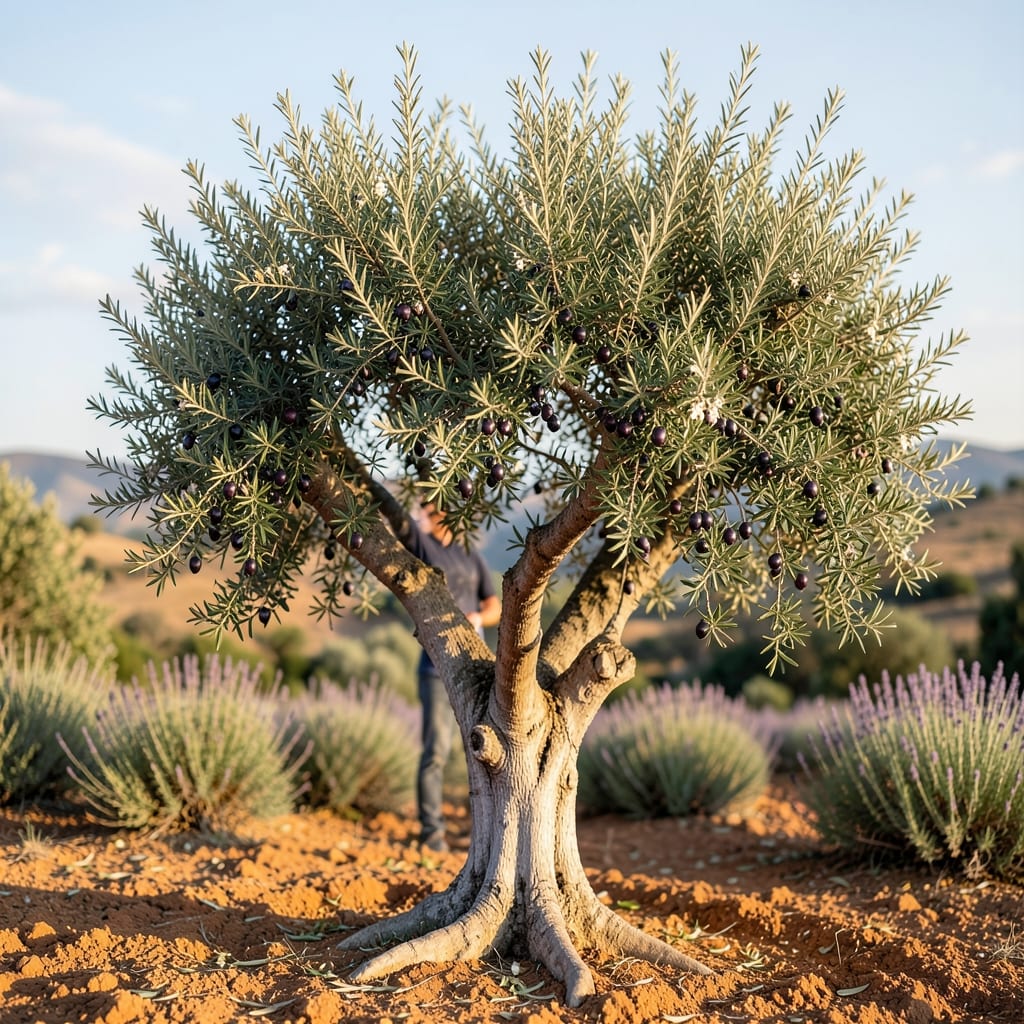
Curious about how tall an olive tree 🫒 can grow? The answer might surprise you—some varieties stay small enough for containers, while others stretch toward the sky like ancient Mediterranean giants. Whether you're dreaming of a backyard grove or a single statement tree, understanding your options is key to planning your space.
Olive trees come in all shapes and sizes, from dwarf varieties that top out at a manageable 8-12 feet to towering standards reaching 50 feet or more. The right choice depends on your climate, available space, and whether you prefer low-maintenance compact growth or the dramatic presence of a full-sized tree.
In this guide, I’ll break down the height ranges of popular varieties and share practical tips for controlling growth through pruning, grafting, and even container gardening. Whether you're in a Mediterranean paradise or a temperate zone like USDA 9b, you’ll learn how to nurture an olive tree that fits your vision.
Ready to transform your landscape? Let’s explore the possibilities—from tiny tabletop trees to sky-scraping giants—so you can make the perfect choice for your garden.

Olive tree height by variety: from dwarf to monumental sizes
If you're wondering how tall an olive tree can grow, the answer depends entirely on the variety you choose. Olive trees come in a stunning range of sizes—from petite dwarf varieties perfect for containers to towering giants that dominate landscapes. Understanding these differences helps you select the perfect tree for your space, whether it's a cozy patio or a sprawling estate.
Most olive trees fall into three broad categories: dwarf varieties (under 12 feet), semi-dwarf varieties (15-25 feet), and standard varieties (30-50 feet). The choice you make will shape not just the height of your tree but also its growth rate, fruit production, and maintenance needs. Let’s explore the most popular varieties and their mature heights to help you decide.
Dwarf varieties are ideal for urban gardeners with limited space. These trees rarely exceed 8-12 feet at maturity, making them perfect for containers, small yards, or even indoor growing near sunny windows. Varieties like 'Little Ollie' or 'Arbequina' (when grafted onto dwarf rootstock) are excellent choices for those who want olives without the commitment of a large tree.
Semi-dwarf varieties strike a balance, typically reaching 15-25 feet in height. These trees are versatile enough for larger backyards or as focal points in Mediterranean-style gardens. Popular semi-dwarf options include 'Arbequina' (when grown on its own roots) and 'Frantoio', which produce high-quality fruit while remaining manageable in size.
Standard varieties are the classic olive trees you might imagine in Tuscany or Greece, soaring to 30-50 feet or more. Varieties like 'Manzanillo', 'Mission', and 'Leccino' are prized for their hardiness, cold tolerance, and abundant fruit production. However, their size requires careful planning—especially in smaller yards or urban settings where space is limited.
🌱 Olive Tree Height Comparison by Variety
| Variety | Mature Height | Growth Rate | Best For |
|---|---|---|---|
| Little Ollie | 8-12 ft | Slow to moderate | Containers, patios |
| Arbequina (dwarf) | 10-15 ft | Moderate | Small yards, urban gardens |
| Frantoio | 20-30 ft | Moderate to fast | Larger gardens, orchards |
| Manzanillo | 30-50 ft | Fast | Rural properties, landscapes |
| Mission | 25-40 ft | Moderate | Cold-hardy regions, large estates |
Climate plays a crucial role in determining how tall your olive tree will grow. In Mediterranean climates, where olives thrive naturally, trees can reach their full potential with minimal stress. However, in cooler or temperate zones, growth may be slower, and mature heights could be slightly reduced unless you choose cold-hardy varieties like 'Mission' or 'Leccino'.
Another factor to consider is rootstock. Olive trees are often grafted onto rootstocks that influence their size. Dwarf rootstocks, such as 'Sour Orange' or 'Myrobalan', can keep even large-fruiting varieties like 'Arbequina' compact. Meanwhile, standard rootstocks allow trees to grow to their natural height, which is ideal for those seeking a traditional, towering olive tree.
For urban gardeners or those with limited space, container growing is a fantastic option. Dwarf varieties like 'Little Ollie' thrive in large pots, allowing you to enjoy olives on a balcony or patio. Just ensure your container is at least 18-24 inches deep and has drainage holes to prevent root rot. With proper care, container-grown olive trees can live for decades and produce fruit year after year.
If you're planning to grow an olive tree outdoors, consider its spread as well as its height. Many varieties, including 'Manzanillo' and 'Frantoio', develop wide canopies that can reach 15-20 feet in diameter. This means you’ll need ample space—not just vertical room—to accommodate the tree’s full growth. Always measure your yard and choose a variety that fits your layout.
Finally, remember that pruning can significantly influence the height and shape of your olive tree. Regular pruning not only controls size but also encourages healthier growth and better fruit production. Whether you're growing a dwarf variety in a pot or a standard tree in your yard, understanding pruning techniques will help you maintain your olive tree at your desired height.
How to control olive tree height: pruning and grafting techniques
Once you’ve chosen your olive tree variety, the next step is managing its height to fit your space. Even standard varieties like 'Manzanillo' can be kept in check with the right techniques. Pruning is the most effective way to control height, but grafting also plays a role in determining how tall your tree will grow. Let’s dive into the methods that work best for your garden.
Regular pruning isn’t just about trimming branches—it’s about shaping your tree’s future. For dwarf varieties, you’ll want to prune lightly to encourage bushier growth, while standard varieties benefit from more aggressive pruning to maintain a manageable height. The key is timing: prune in late winter or early spring, just before new growth begins. This ensures your tree has time to heal before the growing season kicks in.
When pruning, focus on removing suckers (shoots growing from the base) and water sprouts (fast-growing vertical branches). These compete with your tree’s main structure for nutrients. Use sharp, sterilized pruners to make clean cuts just above a leaf node or bud. Avoid cutting into old wood, as olive trees heal slowly from deep wounds. For container-grown trees, pruning also helps maintain balance in the pot.
🪴 Step-by-Step Pruning Guide for Olive Trees
- Step 1: Remove dead or diseased branches first to improve air circulation.
- Step 2: Trim back any branches growing inward to reduce crowding.
- Step 3: Cut back the tallest branches by 1/3 to control height.
- Step 4: Shape the canopy by pruning branches that disrupt your desired form.
- Step 5: Thin out excess foliage to allow sunlight to reach the center of the tree.
Grafting is another powerful tool for controlling olive tree height. By grafting a desired variety onto a dwarf rootstock, you can keep even large-fruiting trees compact. For example, grafting 'Arbequina' (a popular table olive) onto 'Sour Orange' rootstock will limit its height to 10-15 feet, perfect for small yards or containers. Grafting is best done in late winter when the tree is dormant, using a whip-and-tongue or cleft graft method.
For urban gardeners, container growing offers the ultimate control over height. Choose a dwarf variety like 'Little Ollie' and plant it in a large pot with well-draining soil. Prune regularly to encourage bushiness, and rotate the pot occasionally to ensure even growth. Remember, container-grown trees need more frequent watering and fertilizer than those planted in the ground, as their roots have less access to nutrients.
If you’re growing a standard variety outdoors, consider training it as a multi-trunk tree to distribute its energy and limit height. Start by selecting 3-5 strong branches and pruning others to encourage these to thicken. Over time, this creates a fuller, more manageable tree that’s easier to maintain. Just be patient—it can take 3-5 years for a multi-trunk tree to establish its structure.
Finally, remember that consistency is key. Olive trees respond well to regular pruning but can become unruly if neglected. Schedule pruning sessions every 1-2 years for dwarf varieties and annually for standard trees. With the right techniques, you can enjoy a perfectly sized olive tree—whether it’s a waist-high patio tree or a tall, elegant landscape feature.