
Size
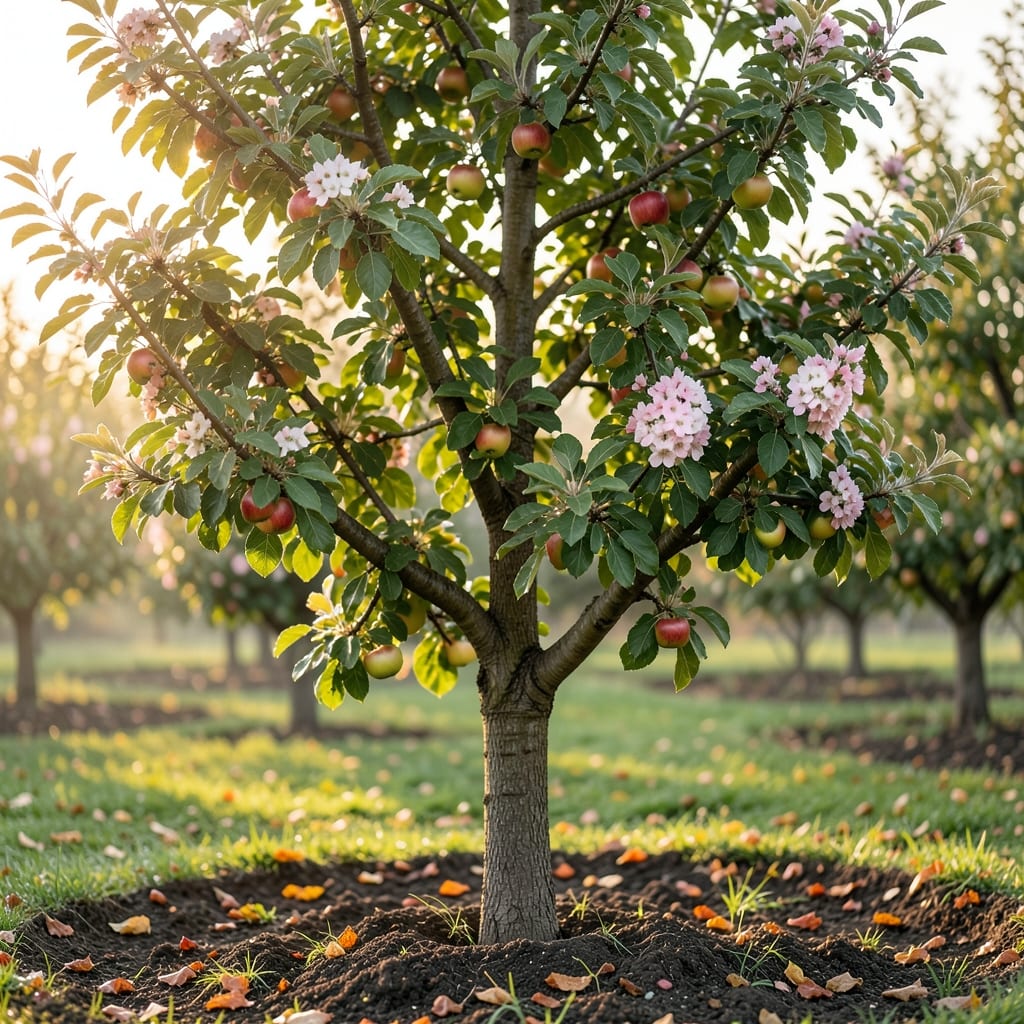
If you’ve ever wondered how tall can apple trees grow, you’re not alone. The height of an apple tree can vary dramatically—from a manageable 6 feet to towering over 30 feet—depending on the variety and care you provide.
Choosing the right type of apple tree is the key to fitting it into your garden without sacrificing fruit production. Whether you have a small backyard or a spacious orchard, understanding the differences between dwarf, semi-dwarf, and standard varieties will help you make the best decision.
In this guide, I'll break down everything you need to know about apple tree heights, including how pruning and rootstock affect growth. You'll discover which types thrive in tight spaces and which need room to stretch their branches.
Ready to pick the perfect apple tree for your space? Let's dive into the details so you can enjoy fresh fruit without the headache of overgrown branches.

Apple tree height by variety: dwarf vs semi-dwarf vs standard sizes
Choosing the right apple tree starts with understanding how tall it can grow. The rootstock—the underlying root system—plays the biggest role in determining height. Dwarf varieties stay compact, while standard trees can reach 30+ feet if left unpruned. Let’s compare the three main types so you can pick the perfect fit for your space.
Dwarf apple trees are the smallest option, typically reaching 6 to 12 feet at maturity. These are ideal for backyard gardens, containers, or urban spaces where room is limited. Semi-dwarf trees grow 12 to 20 feet tall, striking a balance between manageability and productivity. Standard apple trees, the traditional choice, can tower 20 to 30 feet or taller, requiring ample space and regular pruning.
Here’s how rootstock influences height: dwarf rootstocks like M.9 keep trees under 10 feet, while semi-dwarf rootstocks like MM.106 allow 15 to 20 feet of growth. Standard trees often use seedling rootstock, which encourages full-size growth. The right rootstock can also improve cold hardiness and disease resistance, so choose wisely based on your climate.
🌱
| Type | Mature Height | Rootstock Examples | Best For |
|---|---|---|---|
| Dwarf | 6–12 ft | M.9, B.9 | Containers, small yards |
| Semi-Dwarf | 12–20 ft | MM.106, MM.111 | Backyards, larger containers |
| Standard | 20–30+ ft | Seedling, Antonovka | Rural properties, orchards |
If you’re planting in a small urban garden, dwarf varieties like 'Columnar' apples (growing just 8 feet tall) are perfect. These trees produce fruit along their entire length, making them highly efficient. For a traditional backyard, semi-dwarf trees offer a great compromise—easy to manage but with higher yields than dwarfs. Standard trees are best for large properties or commercial orchards where height isn’t a concern.
Another key factor is spacing requirements. Dwarf trees need 6 to 8 feet of space between them, while semi-dwarfs require 10 to 12 feet. Standard trees need 15 to 20 feet to thrive. Proper spacing ensures good airflow, reducing disease risk and improving fruit quality. Always check the specific variety’s needs, as some columnar apples can grow even narrower than 3 feet wide.
For cold climates, semi-dwarf or standard trees often perform better because their larger root systems can access deeper water and nutrients. In warmer regions, dwarf trees might struggle with heat stress, so choose varieties bred for your zone. Always verify the USDA hardiness zone for your tree’s rootstock and scion (the grafted top part) to avoid winter damage.
🌳
One common mistake is assuming all dwarf trees stay small. Some varieties, like 'Liberty' or 'Enterprise', are disease-resistant but can still grow 12 to 15 feet tall on semi-dwarf rootstock. Always check the grafted variety details when buying, as labels often list both the scion and rootstock. For example, a 'Gala' apple on M.9 rootstock will stay dwarf, while the same 'Gala' on MM.106 will be semi-dwarf.
If you’re unsure about height, start with a dwarf or semi-dwarf tree. They’re easier to prune, produce fruit faster (often within 2 to 3 years), and fit neatly into smaller spaces. For a low-maintenance option, consider columnar apples, which grow vertically like bushes and rarely need pruning. Just ensure they get full sun and well-draining soil for best results.
🪴
How to control apple tree height through pruning & training
Pruning is the secret weapon for controlling apple tree height and shaping your tree for optimal fruit production. Whether you have a dwarf tree in a container or a standard tree in your orchard, strategic pruning keeps growth manageable while encouraging strong branches and abundant harvests. The key is understanding when and how to prune based on your tree’s variety and growth habits.
For dwarf apple trees, pruning is mostly about maintaining their compact size and improving air circulation. These trees grow quickly in their first few years, so light pruning in late winter (just before buds swell) helps control height while encouraging a balanced canopy. Focus on removing suckers (shoots growing from the base) and water sprouts (fast-growing vertical shoots) to redirect energy to fruit production.
🌱
- Step 1: Prune in late winter (Feb-March) before buds break. This encourages new growth while the tree is still dormant.
- Step 2: Remove dead/diseased branches first—cut back to healthy wood to prevent spread.
- Step 3: Thin out crossing branches to improve airflow and reduce disease risk.
- Step 4: Shape the tree using the central leader (vertical trunk) or open-center (spread-out branches) method.
- Step 5: Prune for fruit production—keep 3-5 main scaffold branches on young trees.
- Step 6: Light summer pruning (June-July) to control vigorous growth and redirect energy to fruit.
Semi-dwarf and standard trees require more aggressive pruning to manage their height. If left unchecked, a standard apple tree can grow 30+ feet tall, making harvesting difficult. Use the open-center method for these trees—this creates a spread-out canopy with a low center, making fruit easier to reach. Start pruning young trees to establish a strong scaffold structure (main branches) before they outgrow your space.
One common mistake is over-pruning young trees, which can stunt growth and reduce fruit production. Aim to remove no more than 20-25% of the tree’s foliage in a single session. For columnar apples, minimal pruning is needed—they grow vertically like bushes, so just trim the top to control height and remove any suckers growing from the base.
🪴
Seasonal timing matters too. Winter pruning (dormant season) is ideal for shaping and removing dead wood, while summer pruning helps control height by slowing vigorous growth. If your tree is growing too tall too fast, topping (cutting the main leader) can temporarily halt height increase—but this encourages sucker growth, so follow up with pruning to maintain shape.
For container-grown dwarf trees, prune more frequently (every 4-6 weeks during growing season) to keep them compact. Use sharp, clean tools to make cuts just above a bud or branch collar to prevent disease. Always sterilize your pruners with rubbing alcohol between cuts to avoid spreading bacteria. With the right pruning routine, even a standard apple tree can be kept at a manageable height—just plan for more frequent maintenance.