
Size
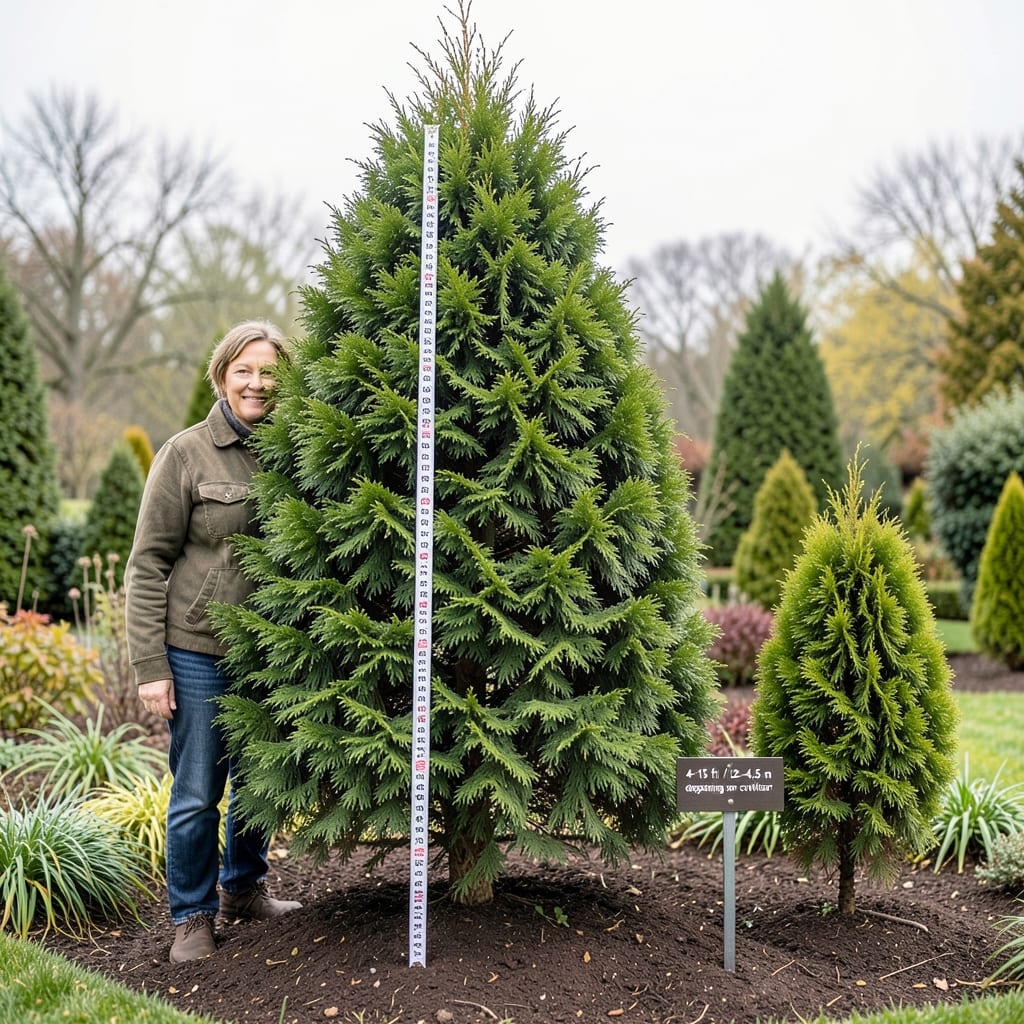
If you’re dreaming of a lush, evergreen privacy screen but worried about how tall can arborvitae grow, here’s the truth: some varieties shoot up to 40 feet—fast! Whether you’re planning a backyard hedge or a towering windbreak, knowing the right size and care tips will save you headaches (and pruning sessions) down the road.
The good news? Arborvitae 🌲 comes in all shapes and sizes, from compact dwarfs to sky-scraping giants. If you love the idea of a fast-growing tree but need to keep it manageable, we’ll break down the tallest (and shortest) varieties—and how to control their height with simple pruning tricks. No guesswork, just results.
Think your yard isn’t big enough for a full-sized arborvitae? Think again. With the right variety and a little strategic trimming, you can enjoy the beauty of these trees without sacrificing your lawn’s space. Let’s dive into the details so you can pick the perfect fit for your outdoor vision.
From the Green Giant that grows like a weed to the Teddy Bear that stays cozy and small, we’ll cover everything you need to know. Ready to turn your green space into a thriving arborvitae haven? Let’s get started.


Arborvitae growth heights by variety: from dwarf to giant trees
Arborvitae 🌲 trees are famous for their rapid growth and towering heights, but not all varieties reach the same sky-scraping dimensions. The Green Giant can soar to 40–50 feet in just 10 years, while the Teddy Bear stays a cozy 3–4 feet tall. Choosing the right variety is key—especially if you’re working with limited space or need a privacy screen that won’t overshadow your deck.
Most arborvitae varieties fall into three height categories: dwarf (under 10 feet), semi-dwarf (10–18 feet), and standard (20+ feet). The fastest growers, like Emerald Green and Leap ‘n Grow, can add 2–3 feet per year, making them ideal for quick privacy solutions. Meanwhile, slower varieties like Compacta or Golden Globe grow just 1–2 feet annually, perfect for container gardening or small yards.
Before planting, check your yard’s dimensions and sunlight exposure. A 40-foot arborvitae needs at least 15–20 feet of clearance on all sides to avoid overcrowding. If you’re unsure, opt for a semi-dwarf variety—they offer a balance of speed and manageability, reaching 12–18 feet at maturity. For example, the American Plum Arborvitae tops out around 15 feet, making it a great mid-sized option.
Here’s a quick guide to help you visualize sizes: A standard arborvitae (like Green Giant) can dwarf a two-story house, while a dwarf variety (like Whipcord) stays shorter than a mailbox post. Your choice depends on whether you want a windbreak, a hedge, or a focal point in your landscape design.
If you’re planting arborvitae for a hedge, stick to varieties like Emerald Green or American Plum, which grow at a steady pace and respond well to pruning. For containers or small gardens, Teddy Bear or Whipcord are ideal—they stay compact and won’t outgrow their space. Pro tip: Always check the USDA hardiness zone for your region, as some varieties (like Green Giant) thrive in zones 3–7, while others (like Compacta) prefer zones 4–8.
For those who love a challenge, fast-growing arborvitae like Green Giant or Leap ‘n Grow are thrilling—but they require annual pruning
How to control arborvitae height: pruning techniques for every season
Pruning is the secret weapon to keeping your arborvitae at a height that fits your space—whether you want a 6-foot hedge or a 12-foot privacy screen. The key is timing and technique. Prune at the wrong time, and you risk stunted growth or even dieback. But with the right approach, you can shape your arborvitae without stressing the plant.
For young trees, focus on structural pruning in their first few years to encourage strong branching. This sets the foundation for a healthy, manageable shape as they mature. If you’re dealing with an established tree, late winter or early spring is your best window—just before new growth begins. Avoid heavy pruning in fall, as it can leave your tree vulnerable to winter damage.
Here’s the golden rule: Never remove more than 25% of the foliage in a single session. Arborvitae are resilient, but over-pruning can weaken them, making them susceptible to pests or disease. Think of pruning as a conversation with your tree—listen to its needs and respond with gentle, strategic cuts.
🌲
Step-by-Step Pruning Guide
- Step 1: Choose the Right Time
- Late winter (Feb-March) – Best for shaping mature trees.
- Early spring (April) – Ideal for young trees to encourage growth.
- Step 2: Gather Your Tools
- Sharp bypass pruners for clean cuts.
- Hand pruning saw for thicker branches.
- Ladder or step stool for taller trees.
- Step 3: Start with Dead or Damaged Branches
- Remove any brown or broken branches first.
- Cut back to the healthy green wood.
- Step 4: Shape the Tree
- For hedges, trim evenly to maintain height.
- For taller trees, focus on the top third to control height.
- Use thinning cuts to improve airflow.
- Step 5: Clean Up
- Remove all clippings from the base.
- Avoid leaving debris, which can attract pests.
If you’re aiming for a compact arborvitae, regular pruning is non-negotiable. For example, the Teddy Bear variety stays under 4 feet tall naturally, but even it benefits from light trimming to maintain its rounded shape. On the other hand, Green Giant arborvitae can shoot up to 50 feet—so if you’re growing this variety, plan for annual height checks and prune aggressively in early spring to keep it in check.
Pro tip: Use a string line to guide your cuts for even hedges. This is especially helpful if you’re trimming multiple trees in a row. And always sterilize your tools with rubbing alcohol between cuts to prevent the spread of disease. Your arborvitae will thank you with lush, healthy growth all season long.
🌿