
Trees
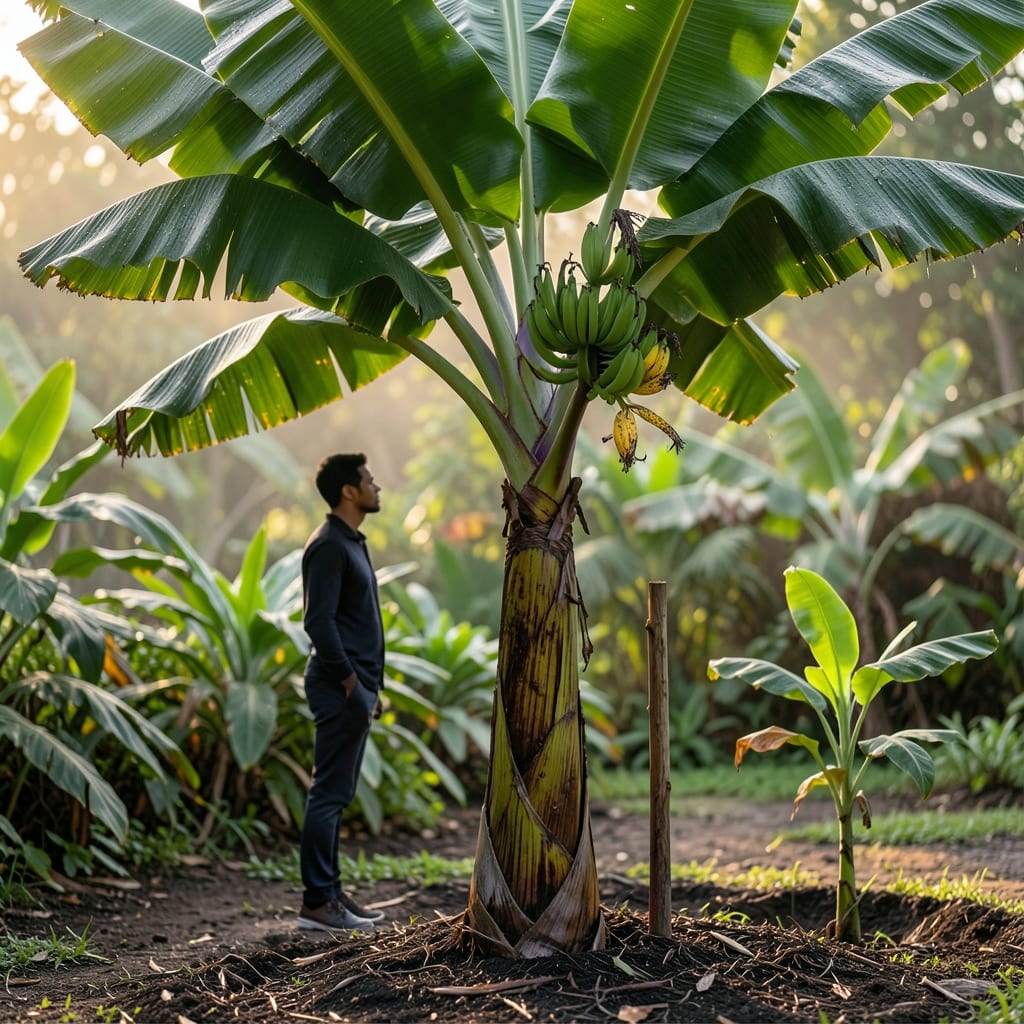
If you’ve ever wondered how tall a banana tree can grow, the answer might surprise you—some varieties reach towering heights of 30 feet or more, while others stay compact enough for small gardens. The 🍌 banana tree isn’t just a tropical staple; it’s a versatile plant that adapts to different spaces and climates, making it a favorite for both urban gardeners and large estates.
Choosing the right variety is the first step to managing its height, whether you’re dreaming of a backyard giant or a manageable dwarf. From 6-foot dwarf types to 20-foot commercial giants, each has its own growth patterns and care needs. Let’s break down what determines how tall your banana tree will grow—and how to make the most of it, no matter your space.
Climate, soil, and even pruning play a huge role in a banana tree’s final height. In warmer zones like 10-12, these trees thrive year-round, while cooler climates may require indoor growing or seasonal adjustments. The good news? With the right approach, you can grow a banana tree almost anywhere—even in a pot on your patio.
Ready to discover which variety fits your garden? We’ll explore everything from height comparisons to practical tips for keeping your banana tree happy, whether it’s a 10-foot dwarf or a sky-scraping giant. Let’s get started!

Banana tree height by variety: from dwarf to towering giants
Banana trees come in an astonishing range of sizes, from dwarf varieties that fit neatly in containers to commercial giants that tower over your backyard. The height of your banana tree depends almost entirely on the variety you choose, with some reaching 30 feet while others stay under 10 feet. This variety-driven growth makes banana trees incredibly adaptable—whether you’re an urban gardener with limited space or a homesteader with acres to spare.
For example, the Dwarf Cavendish is a popular choice for small gardens, typically growing 8–12 feet tall, while the Lady Finger banana stays even shorter at 6–10 feet. On the opposite end of the spectrum, the Gros Michel and Red Dacca varieties can soar to 20–30 feet, requiring ample space and strong support. Understanding these differences helps you select the perfect variety for your environment and gardening goals.
Here’s a quick comparison to visualize the range:
| Variety | Height Range | Growth Habit | Best For |
|---|---|---|---|
| Dwarf Cavendish | 6–10 ft | Compact, bushy | Containers, small gardens |
| Lady Finger | 6–10 ft | Slender, upright | Urban patios, balconies |
| Sugar Banana | 12–18 ft | Medium height, sturdy | Backyards, larger pots |
| Gros Michel | 20–30 ft | Tall, fast-growing | Tropical farms, large estates |
| Red Dacca | 20–30 ft | Tall, decorative leaves | Landscaping, tropical gardens |
The Dwarf Cavendish and Lady Finger varieties are ideal for gardeners with limited space, as they thrive in containers and don’t require extensive root systems. Their smaller stature also makes them easier to manage in cooler climates, where frost can damage taller varieties. Meanwhile, the Gros Michel and Red Dacca are better suited for warm, tropical climates where they can reach their full potential.
If you’re growing bananas in USDA Zones 10–12, you’ll find that taller varieties like Red Dacca grow even more vigorously, often exceeding 25 feet with proper care. In cooler zones (like Zone 9 or below), opt for dwarf or semi-dwarf varieties to avoid winter damage. Even in these zones, banana trees can still produce fruit, though they may need protection during colder months.
One common misconception is that all banana trees grow into massive giants. In reality, only specific varieties reach those towering heights—most stay between 6–18 feet, making them perfect for suburban gardens. The key is selecting a variety that matches your space and climate, ensuring healthy growth without overwhelming your landscape.
For example, the Sugar Banana variety strikes a balance with its 12–18 foot height, making it a great compromise for gardeners who want a taller tree without sacrificing space. Its sturdy trunk and broad leaves also make it more resilient to wind, which is a plus in coastal or open areas.
When choosing a variety, also consider the growth rate. Some banana trees, like the Lady Finger, grow quickly but stay compact, while others, like the Gros Michel, take longer to mature but reach impressive heights. Plan accordingly—if you’re growing in a pot, dwarf varieties are your best bet, while in-ground planting allows for taller, more dramatic varieties.
Finally, remember that even dwarf varieties can benefit from pruning and support to maintain their shape and encourage fruit production. Regularly removing old leaves and providing stakes or trellises can help manage height naturally, even with taller varieties. This approach ensures your banana tree stays healthy and productive, regardless of its size.
🌱
Factors that determine how tall your banana tree will grow
Your banana tree’s final height isn’t just luck—it’s a mix of genetics, climate, and the care you provide. The variety you choose is the biggest factor: dwarf types like ‘Dwarf Cavendish’ stay between 6–10 feet, while commercial giants like ‘Gros Michel’ can soar past 30 feet. But even within the same variety, your local conditions and growing practices can push it taller—or keep it shorter.
Climate plays a huge role. In USDA Zones 10–12, banana trees grow year-round and can reach their full potential height. But in cooler zones like Zone 6–9, they may only grow 10–15 feet before dormancy slows them down. If you’re growing indoors, expect even slower growth unless you provide bright, indirect light and consistent warmth.
Soil quality and nutrition also impact height. Banana trees thrive in well-draining, slightly acidic soil (pH 5.5–7.0). Poor soil or nutrient deficiencies can stunt growth, while rich, organic soil packed with potassium and phosphorus fuels rapid vertical expansion. I’ve seen trees in nutrient-poor soil barely reach 5 feet in 2 years, while those in amended soil hit 15 feet in the same time.
🌱 Key Factors Affecting Banana Tree Height
- Genetics: Dwarf vs. standard varieties
- Climate: Zones 10–12 = full height; cooler zones = stunted growth
- Sunlight: <6 hours = slower growth; 6+ hours = faster vertical expansion
- Water: Drought stress = shorter stature; consistent moisture = taller
- Pruning: Regular removal of old leaves = controlled height
- Fertilizer: Balanced NPK (10-10-10) = optimal growth
Pro tip: Monitor your tree’s growth rate—if it’s lagging, check soil nutrients and sunlight first!
Watering habits directly influence height. Banana trees need 1–2 gallons of water every 2–3 days during active growth. Underwatering causes stress, leading to shorter, weaker stems, while overwatering can rot roots and stunt growth. I once saw a 10-foot tree in my garden shrink to 6 feet after a month of inconsistent watering—until I adjusted my routine.
Pruning is another tool to control height. Removing old, yellow leaves from the base encourages new growth lower on the stem, which can make the tree bushier and slightly shorter. However, avoid heavy pruning—this can reduce fruit production and weaken the plant. For tall varieties, I recommend pruning only 10–20% of the foliage at a time to maintain balance.
Finally, don’t overlook the role of wind and support. Strong winds can bend banana trees, making them grow unevenly or even break. In windy areas, stake young trees or use bamboo supports to guide their growth straight up. Without support, some varieties may grow 20–30% taller but with weaker, more brittle stems.
By understanding these factors, you can influence your banana tree’s height—whether you want a compact patio plant or a towering tropical statement piece. Start with the right variety for your space, then fine-tune with care to get the perfect fit for your garden! 🪴