
Size
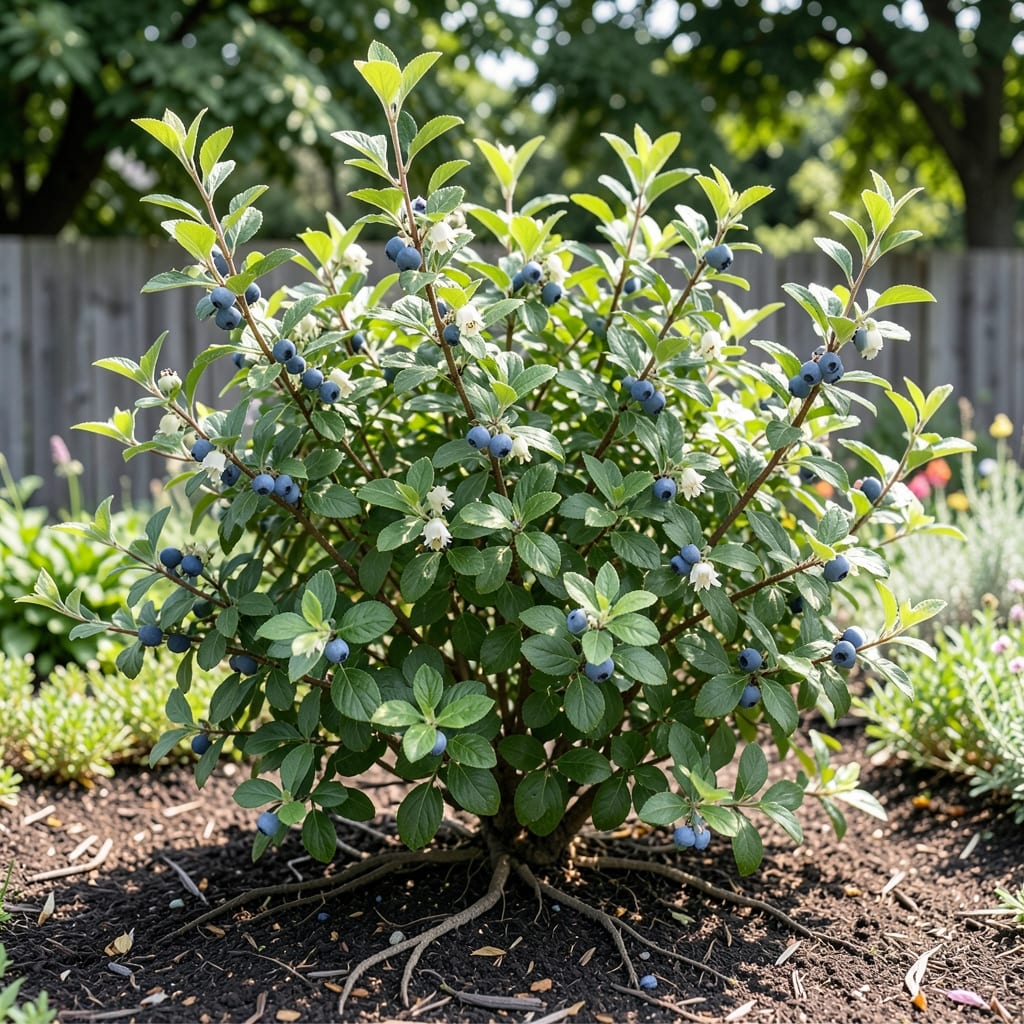
Blueberry bush height by variety: dwarf to giant sizes explained
Blueberry bushes come in a stunning range of sizes, from compact dwarf varieties perfect for containers to towering standard bushes that dominate your landscape. The height of your blueberry bush isn't just about aesthetics—it directly impacts fruit production, ease of harvesting, and even how much space you'll need in your garden. Let's break down the mature heights and growth patterns so you can choose the perfect fit for your space.
Most blueberry bushes reach their mature height within 3 to 5 years, though some dwarf varieties may take slightly longer to fill out. Understanding these growth patterns helps you plan for pruning needs, sunlight exposure, and airflow circulation—all critical for maximizing your harvest. Whether you're working with a tiny balcony or a sprawling backyard, knowing the height range of your chosen variety ensures you give your bushes the room they need to thrive.
📊 Height Comparison at a Glance
| Variety | Mature Height | Growth Rate | Best For |
|---|---|---|---|
| Dwarf Varieties (e.g., 'Top Hat', 'Peach Sorbet') | 1–3 ft | Slow to moderate | Containers, small gardens, urban yards |
| Semi-Dwarf Varieties (e.g., 'Bluecrop', 'Jersey') | 3–5 ft | Moderate | Raised beds, small yards, patio gardens |
| Standard Varieties (e.g., 'Duke', 'Premier') | 6–12 ft | Fast | Large gardens, orchards, rural properties |
| Lowbush Varieties (e.g., 'Wild Blueberry') | 1–2 ft | Very slow | Wild harvesting, small-scale gardens |
| Rabbiteye Varieties (e.g., 'Climax', 'Powderblue') | 10–15 ft | Very fast | Southern climates, large landscapes |
If you're growing dwarf varieties, you'll love how they fit neatly into small spaces like balcony containers or raised beds. These bushes typically mature between 1 to 3 feet, making them ideal for urban gardeners or those with limited yard space. Varieties like 'Top Hat' and 'Peach Sorbet' are popular choices for container gardening because they stay compact while still producing a generous harvest.
For semi-dwarf varieties, expect heights between 3 to 5 feet at maturity, striking a balance between manageable size and robust fruit production. These are perfect for gardeners with a bit more space, such as a small backyard or a dedicated garden bed. Semi-dwarf bushes like 'Bluecrop' and 'Jersey' are versatile and widely adapted to various climates, making them a great all-around choice.
On the other end of the spectrum, standard varieties can grow as tall as 12 feet, requiring ample space and regular pruning to maintain health and productivity. These bushes are best suited for larger properties or orchards where they can spread out without competing for sunlight or nutrients. Varieties like 'Duke' and 'Premier' are known for their vigorous growth and high yields, but they demand more commitment in terms of space and maintenance.
If you're in a warmer climate, consider rabbiteye varieties, which can reach staggering heights of 10 to 15 feet. These giants thrive in the South and are prized for their large, sweet berries. However, their towering stature means they need plenty of room to avoid shading out other plants and to allow for easy harvesting. Always check the specific variety's height range before planting to ensure it fits your garden layout.
One variety that often surprises gardeners is the lowbush blueberry, which typically stays under 2 feet tall. While these are often found in the wild, they can also be cultivated in small gardens. Their low stature makes them easy to maintain and harvest, though they may require more frequent pruning to keep them productive. Lowbush varieties are also well-suited for ground cover in shady or woodland garden settings.
When planning your garden, remember that height isn't the only factor to consider—spread also plays a critical role. Most blueberry bushes have a spread that's roughly equal to their height, so a 6-foot-tall bush might spread 6 feet wide. This means you'll need to space them accordingly to ensure good air circulation and sunlight penetration, both of which are essential for preventing disease and maximizing fruit production.
For example, planting standard varieties too closely together can lead to overcrowding, which stunts growth and reduces yields. Always follow the recommended spacing guidelines for your specific variety—typically 4 to 6 feet apart for standard bushes and 2 to 3 feet apart for dwarf or semi-dwarf types. Proper spacing ensures your bushes have the room to grow to their full potential while keeping maintenance manageable.
🌱 Whether you're a city dweller with a balcony or a rural homesteader with acres to spare, there's a blueberry bush height that's perfect for you. By understanding the mature sizes and growth habits of different varieties, you can create a thriving blueberry patch that fits seamlessly into your garden—no matter how big or small.
How to choose blueberry bush height based on your garden space
Selecting the right blueberry bush height isn't just about fitting it into your garden—it's about optimizing your harvest potential and maintenance ease. Whether you're working with a balcony container, a small backyard, or a large orchard, the variety you choose will dictate everything from pruning frequency to fruit accessibility. Let’s explore how to match bush height to your space for a thriving, low-stress blueberry patch.
For urban gardeners or those with limited space, dwarf varieties (1–3 feet tall) are the perfect solution. These compact bushes thrive in 5-gallon containers or raised beds, making them ideal for patios, balconies, or even windowsill gardens. Varieties like 'Top Hat' and 'Peach Sorbet' produce abundant berries without taking up valuable real estate. Just ensure your container has drainage holes and use a well-draining, acidic potting mix to mimic their natural soil conditions.
📊 Space-Saving Solutions for Small Gardens
- ✅ Perfect for containers or raised beds
- ✅ Low pruning needs
- ✅ Easy harvesting access
- ✅ Fits in small yards or backyard corners
- ✅ Moderate fruit production
- ✅ Requires light pruning annually
- ✅ Best for large gardens or orchards
- ✅ High yield potential
- ⚠️ Needs regular pruning and space
If you have a small to medium-sized yard, semi-dwarf varieties (3–5 feet tall) strike the perfect balance. These bushes fit well in dedicated garden beds or even along fences, where they can spread out without overwhelming your space. Semi-dwarfs like 'Bluecrop' and 'Jersey' are hardy, productive, and adaptable to various climates. Just ensure they’re planted at least 3 feet apart to allow for airflow and prevent disease.
For larger properties or those aiming to create a blueberry orchard, standard varieties (6–12 feet tall) are the way to go. These towering bushes require ample space—typically 6 feet apart—to avoid overcrowding and ensure each plant gets the sunlight it needs. Varieties like 'Duke' and 'Premier' are known for their high yields and vigorous growth, but they demand more maintenance, including annual pruning to shape the bush and remove deadwood.
🌿 Pro Tip for Pruning: To control the height of taller varieties, prune in late winter or early spring before new growth begins. Focus on removing old wood (over 3 years old) and thinning out crowded branches to improve air circulation and light penetration. This not only keeps your bush manageable but also boosts fruit production by directing energy toward new, productive growth.
If you're growing blueberries in containers, choose a variety that won’t outgrow its space. Dwarf or semi-dwarf bushes work best, but even they may need repotting every few years as they mature. Use a large, sturdy container (at least 18 inches in diameter) with drainage holes and fill it with a mix of peat moss, perlite, and compost to maintain the acidic soil pH blueberries love. Rotate the container occasionally to ensure even sunlight exposure on all sides.
🪴 Container Gardening Tips:
- Use a self-watering pot to maintain consistent moisture.
- Fertilize with an acid-loving plant food every 4–6 weeks during the growing season.
- Watch for root-bound signs and repot if roots circle the container.
No matter the size of your garden, choosing the right blueberry bush height ensures a healthy, productive plant that fits seamlessly into your space. By matching your variety to your available room and committing to proper pruning and care, you’ll enjoy a bountiful harvest year after year—whether you're plucking berries from a balcony container or a sprawling orchard.