
Trees
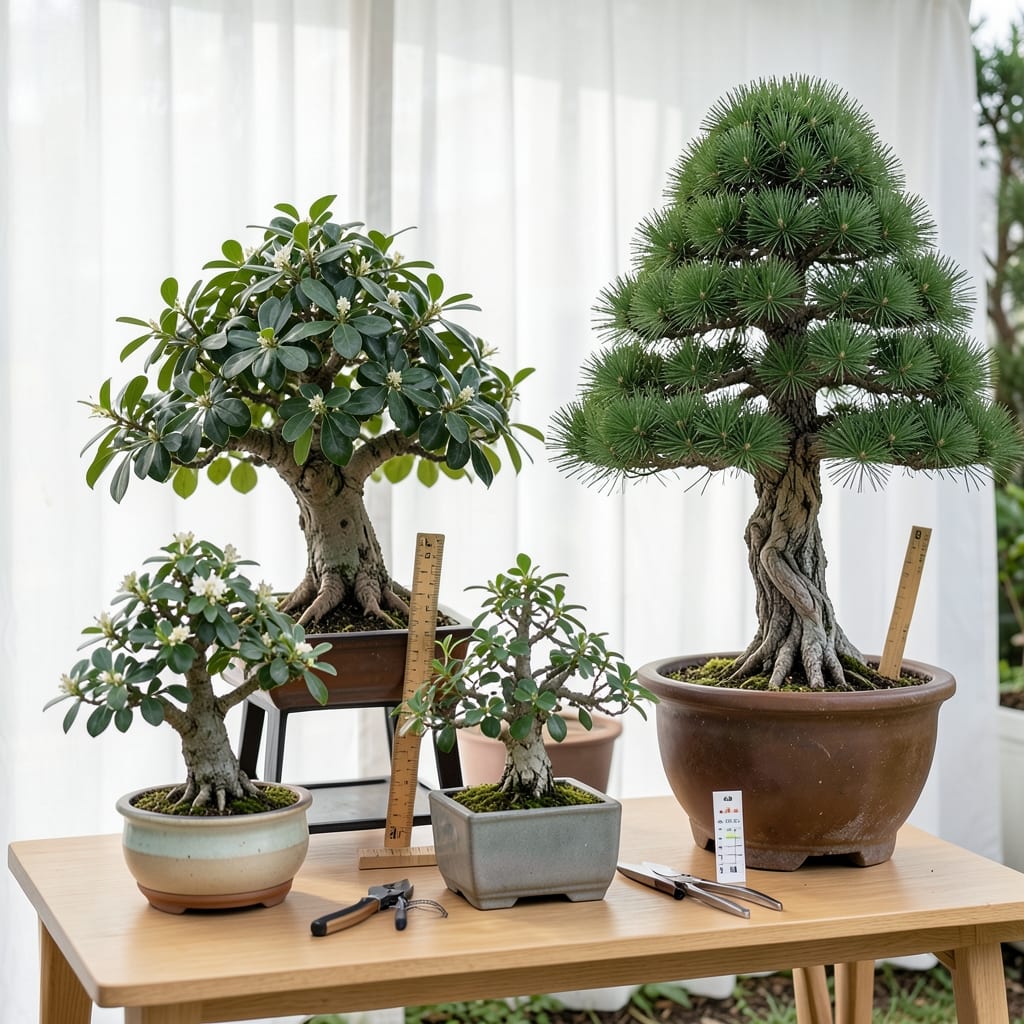
If you’ve ever wondered how tall can bonsai trees grow and whether your little tree will stay the size of a coffee saucer or one day stretch toward the ceiling, the answer is more nuanced than you’d expect. The height of a bonsai isn’t just about its species; it’s a delicate balance of pruning, patience, and the right care techniques that can keep it at 3 inches or encourage it to grow toward 6 feet. Most beginners assume bonsai trees stay small because of their name, but the truth is far more fascinating. Some species naturally cap out at a few inches, while others—like the majestic black pine—can stretch impressively tall if given the right conditions. The key lies in understanding how to guide their growth, whether you’re aiming for a miniature masterpiece or a statement-sized tree. I’ve seen firsthand how a little extra (or less) pruning, the right pot size, and even seasonal adjustments can transform a bonsai’s trajectory. Whether you’re a newbie or a seasoned enthusiast, knowing these growth secrets will help you shape your bonsai’s future—one carefully trimmed branch at a time. Ready to discover how to control your bonsai’s height like a pro? Let’s break down the factors that determine whether your tree stays tiny or reaches for the sky.


Bonsai tree height limits: miniature vs. standard size ranges explained
Bonsai trees are masterpieces of patience and precision, where nature’s grandeur meets human artistry. While their miniature size is iconic, the height range can vary dramatically—from 3-inch tabletop wonders to 6-foot giants. The key lies in understanding how species, age, and cultivation techniques shape their growth potential.
Contrary to popular belief, bonsai trees aren’t inherently small—they’re cultivated to stay that way. Without careful pruning, wiring, and root restriction, even the smallest bonsai species could grow into full-sized trees. For example, a Juniper bonsai, left unchecked, could reach 20-30 feet tall in its natural habitat.
Most bonsai enthusiasts aim for heights between 12 and 36 inches, creating a harmonious balance between art and nature. However, the miniature bonsai category pushes boundaries, with some species like the Dwarf Jade or Miniature Azalea staying under 6 inches even at maturity. On the opposite end, forest-style bonsai or literati bonsai might stretch up to 4-5 feet while maintaining their artistic appeal.
Age plays a critical role in determining height. A 1-year-old bonsai might only reach 6-12 inches, while a 20-year-old specimen could tower at 3-4 feet if not pruned aggressively. The growth rate also depends on the species—fast-growing bonsai like Ficus or Chinese Elm can add 6-12 inches per year if neglected, whereas slow growers like Pine or Maple might only gain 1-2 inches annually.
The natural growth potential of a bonsai tree is often its biggest secret. For instance, a Japanese Maple bonsai could grow 15-20 feet tall in the wild, but with regular pruning and root trimming, it’s kept at a compact 2-3 feet. This transformation is what makes bonsai so fascinating—it’s not just about keeping a tree small; it’s about shaping its destiny.
Here’s how bonsai heights break down into common categories:
🌱 Bonsai Height Comparison Table
| Category | Height Range | Examples | Natural Height (Unpruned) |
|---|---|---|---|
| Miniature | 3–6 inches | Dwarf Jade, Mini Azalea | 1–3 feet |
| Tabletop | 6–12 inches | Ficus, Chinese Elm | 10–20 feet |
| Standard | 12–24 inches | Juniper, Pine | 15–30 feet |
| Oversized | 24–72 inches | Forest Bonsai, Literati | 20–50 feet |
*Note: Heights are approximate and vary by species, care, and age.
The art of bonsai isn’t just about height—it’s about proportion, balance, and harmony. A 3-inch bonsai can feel just as majestic as a 4-foot specimen if cultivated with intention. The key is to match the tree’s growth habits with your vision and space constraints. For example, a beginner-friendly Ficus bonsai might start at 10 inches but could easily double in size without intervention, while a delicate Azalea might max out at 8 inches even with optimal care.
One common misconception is that all bonsai trees stay small naturally. In reality, even the tiniest bonsai species would grow into large trees if left unpruned. The Japanese Black Pine, for instance, can reach 50 feet tall in the wild but is often kept under 3 feet in bonsai form. This transformation requires consistent pruning, wiring, and root management—techniques we’ll explore in the next section.
If you’re dreaming of a specific bonsai height, start by choosing a species that aligns with your goals. Slow-growing trees like Juniper or Maple are ideal for compact designs, while faster growers like Willow or Chinese Elm can be pruned more aggressively to control their height. Remember, the smaller the tree, the more frequent the maintenance—but the reward is a living work of art that fits seamlessly into any space.
🌿
How to control bonsai tree height: pruning, training, and species-specific tips
Controlling your bonsai's height isn't just about cutting branches—it's a delicate science that combines pruning techniques, root management, and seasonal adjustments. The key is understanding when and how to intervene without damaging your tree. For instance, a Juniper bonsai might only need light pruning every 4-6 weeks, while a fast-growing Ficus could require monthly pruning to maintain its size.
Start with structural pruning in early spring when new growth begins. This involves removing overly long branches to maintain the tree's proportional shape. Use sharp, clean bonsai shears and cut just above a leaf node or bud to encourage healthy regrowth. Remember, never remove more than 25% of the foliage at once—this can shock the tree and lead to uncontrolled growth spurts later.
The wiring technique is another powerful tool for height control. By gently wrapping copper or aluminum wire around branches, you can guide their growth direction. For example, if your bonsai is growing too tall, you can wire the main trunk downward to create a curved, aged appearance while slowing vertical growth. Always remove wires after 3-6 months to prevent permanent damage to the bark.
✂️ Step-by-Step Bonsai Height Control Guide
- 🌱 Spring Pruning: Trim 1/3 of new growth to encourage dense branching and control height.
- 🌿 Summer Maintenance: Remove sprouting shoots to prevent unwanted vertical growth.
- 🪴 Root Pruning: Trim 1/3 of roots every 2-3 years to restrict nutrient uptake and slow growth.
- ✂️ Defoliation (Summer): Remove half the leaves on deciduous species to reduce size and encourage smaller leaves.
- 🌳 Wiring (Spring/Fall): Shape branches with aluminum wire to direct growth away from vertical.
- 💧 Watering Adjustments: Let soil dry slightly between waterings to slow growth.
*Tip: Always prune after rain or watering to reduce stress on the tree.
Species selection plays a huge role in height control. Slow-growing bonsai like Japanese Black Pine or Maple naturally stay compact and require minimal pruning. On the other hand, fast growers like Willow or Chinese Elm need aggressive pruning every 4-8 weeks to prevent them from outgrowing their pots. Even within species, individual trees have unique growth rates—what works for one bonsai might not work for another.
Don't overlook the pot size—it's one of the most underestimated tools for height control. A bonsai in a too-large pot will grow uncontrollably as it searches for space. For most bonsai, a pot that's only 1-2 inches wider than the root ball is ideal. When repotting in early spring, choose a pot that's just slightly larger than the previous one to limit root expansion and maintain compact growth.
Seasonal care is the final piece of the height-control puzzle. In winter, reduce watering and skip fertilizing to encourage dormancy. This slows growth and helps maintain the tree's desired proportions. During summer, increase shade and prune aggressively to prevent rapid elongation. With these techniques, you can keep your bonsai at any height, from a 3-inch tabletop masterpiece to a 4-foot statement piece.
🪴