
Succulent
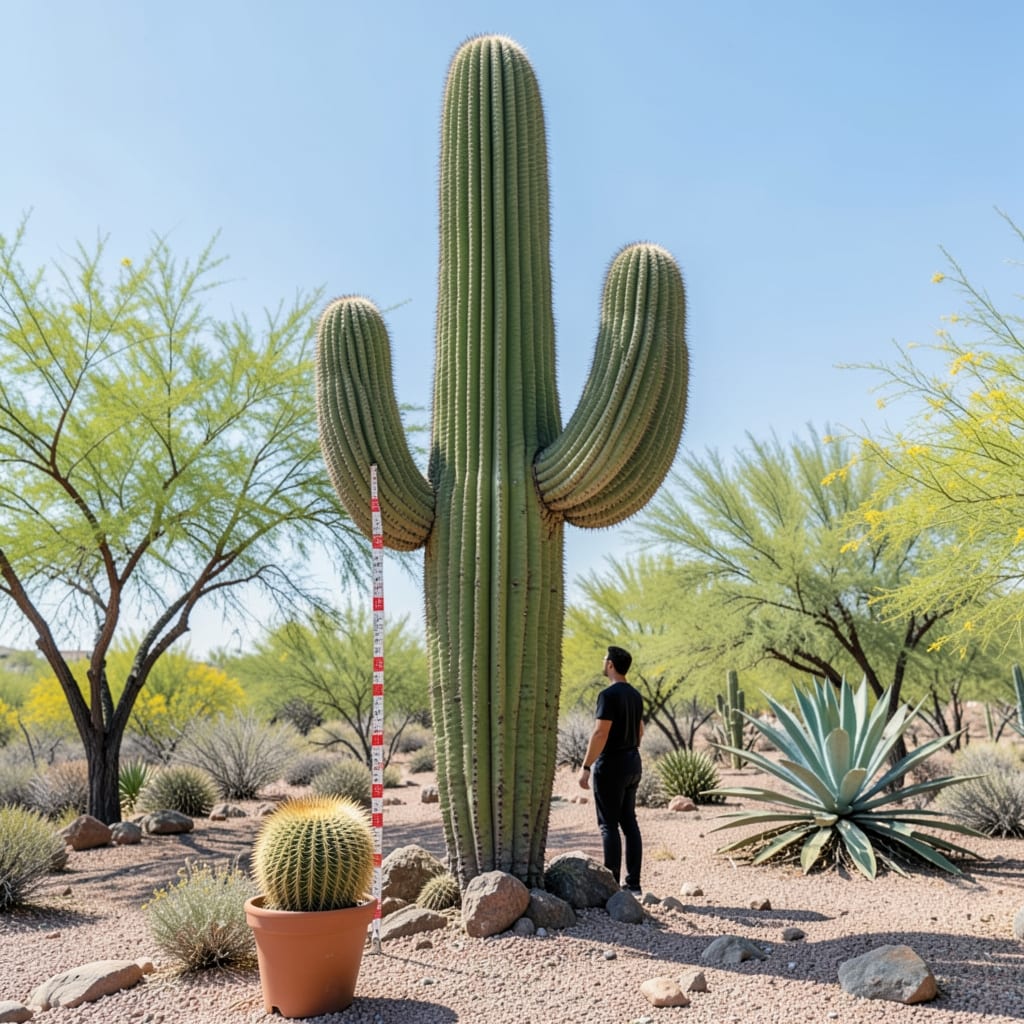
Ever wondered just how tall your 🌵 cactus could grow if you gave it the perfect conditions? The answer might surprise you—some species stay small enough for a windowsill, while others reach heights that rival trees in a desert landscape.
If you're dreaming of a towering cactus in your backyard or a compact one on your desk, understanding the growth potential of different varieties is the first step. From the tiny Blossfeldia liliputiana, which barely grows beyond an inch, to the majestic Saguaro, which can stretch over 50 feet tall, the possibilities are as varied as they are impressive.
But it’s not just about the species—light, soil, and water play crucial roles in determining how tall your cactus becomes. With the right care, even a slow-growing variety can reach its full height potential. Let’s explore the factors that influence cactus growth and how you can nurture yours to thrive.
Whether you're a beginner or a seasoned gardener, knowing how to maximize your cactus’s height—or keep it contained—will help you create the perfect desert oasis. Ready to discover the secrets to growing a cactus that’s just the right size for your space?


Cactus height by species: from tiny to towering giants
Cacti come in a stunning range of sizes, from tiny tabletop treasures to desert giants that dominate landscapes. The height your cactus reaches depends entirely on its species—some stay under an inch, while others grow taller than a 5-story building. Let’s explore the most iconic varieties and their jaw-dropping height potential.
For those with limited space, dwarf cacti like the Blossfeldia liliputiana (also called the "Queen of the Night") are perfect. This tiny cactus rarely exceeds 1 inch in diameter, making it ideal for terrariums or desk gardens. On the opposite end of the spectrum, the Saguaro (Carnegiea gigantea) can grow up to 50+ feet, taking decades to reach its full height.
Here’s a quick look at some of the most popular cactus species and their mature heights:
If you’re growing cacti indoors, smaller species like the Christmas cactus or Mammillaria are ideal. These varieties thrive in containers and rarely exceed 12 inches, making them perfect for windowsills or shelves. For outdoor gardens, larger species like the Prickly Pear or Barrel Cactus add dramatic height and texture to desert landscapes.
One of the most fascinating aspects of cactus growth is how slowly some species mature. The Saguaro, for example, can take 50–75 years to reach its full height. In contrast, Prickly Pear cacti can grow 1–2 feet per year under ideal conditions. This makes patience a virtue if you’re aiming for a towering specimen!
Choosing the right cactus for your space isn’t just about height—it’s also about growth habits. Some cacti grow straight and tall, while others spread outward in a bushy form. For instance, the Opuntia (Prickly Pear) often forms clusters of pads, creating a wide, low-growing silhouette rather than a single tall stem.
For those who love the idea of a giant cactus but lack outdoor space, consider growing a fast-growing variety like the Peruvian Apple Cactus (Cereus repandus). This species can reach 10–15 feet tall in containers with proper care, making it a stunning vertical feature for patios or greenhouses.
Before you commit to a cactus, research its mature size and growth rate. Some species, like the Echinocactus, grow slowly but steadily, while others, like the Ferocactus, can shoot up quickly in the right conditions. Understanding these differences will help you plan your garden layout and avoid surprises as your cactus matures.
🌵
How to maximize cactus growth height: light, soil & pruning secrets
Want your cactus to reach its full height potential? The key lies in light exposure, soil quality, and pruning techniques. Unlike other plants, cacti grow slowly, so patience and precision are your best tools. For example, a Saguaro cactus in ideal conditions can grow 1 inch per year, while a Lophophora williamsii (peyote) stays compact at just 2-4 inches tall.
First, sunlight is non-negotiable. Most cacti thrive in full sun (6+ hours daily), but some varieties, like the Christmas cactus, prefer indirect light. Place your cactus near a south-facing window or use grow lights if natural light is limited. Too little light leads to stunted growth and weak stems, while too much can scorch delicate varieties.
Next, soil composition directly impacts height. Cacti need well-draining, sandy soil mixed with perlite or pumice to prevent root rot. A common mistake is using regular potting mix, which retains too much moisture. For fast-growing species like the Carnegiea gigantea, amend soil with cactus-specific fertilizer in spring to encourage vertical growth.
🌵 Pro Tip: If your cactus isn’t growing tall enough, check its container size. Root-bound plants focus energy on roots instead of stems. Repot every 2-3 years into a slightly larger container with fresh soil to stimulate upward growth.
Pruning is another secret weapon. While many cacti don’t need pruning, removing dead or damaged segments redirects energy to healthier growth. For example, if your Opuntia (prickly pear) develops leggy stems, prune them back to encourage denser, taller growth. Always use sterilized tools and let cuts heal for a few days before watering.
Overwatering is the silent growth killer. Cacti store water in their stems, so deep but infrequent watering (every 2-4 weeks) is ideal. In winter, reduce watering to once a month—overwatering in cold months leads to rot and stunted growth. Stick your finger 2 inches into the soil; if it’s dry, it’s time to water.
Finally, temperature and humidity play a role. Most cacti love warm, dry climates (USDA zones 9-11), but some, like the Mammillaria, tolerate cooler temps. Avoid placing your cactus in drafty areas or near humidifiers, as excess moisture slows growth. With the right care, even a slow-growing cactus can reach its maximum height potential—whether that’s a 3-inch wonder or a 50-foot giant!