
How To
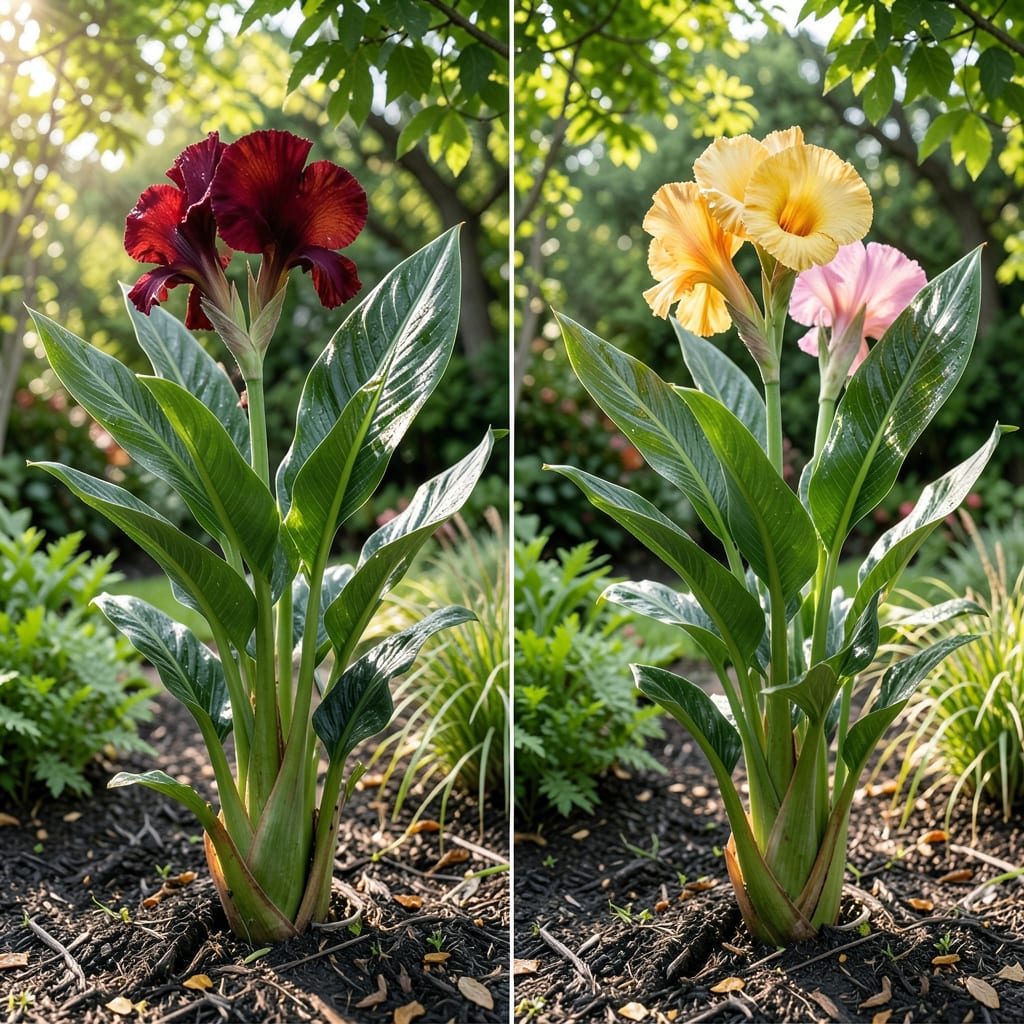
Maximum height of cannas: record-breaking varieties and growth limits
When I first spotted cannas reaching toward my porch roof, I was stunned—these weren’t your average garden plants! The tallest canna varieties can soar to 8–12 feet under ideal conditions, making them architectural stars in tropical landscapes. But not all cannas are giants; dwarf varieties stay compact at 2–3 feet, perfect for containers or small gardens.
Your canna’s height depends on genetics, climate, and care. In USDA Zones 8–11, cannas thrive year-round, growing taller and more vigorous. Even in cooler zones (like Zone 7), they’ll hit 6–7 feet with proper winter protection. The key? Full sun and rich, moist soil—neglect either, and your cannas will stay stunted.
Here’s the truth: Canna indica and Canna flaccida are the towering champions. Canna indica often tops 10 feet in tropical climates, while Canna flaccida (with its striking purple foliage) can reach 7–9 feet. Even standard varieties like ‘Durban’ or ‘Australia’ hit 5–7 feet—taller than most gardeners!
Fun fact: Some cannas grow 1–2 feet per season if given perfect conditions. In my Zone 9 garden, a ‘Striped’ canna grew 3 feet in just 60 days—a growth spurt that left me reaching for my ladder! But remember: overgrowth can lead to flopping stems or wind damage, especially in exposed areas.
| Variety | Mature Height | Climate Suitability | Growth Tip |
|---|---|---|---|
| Canna indica | 8–12 ft | Tropical (Zones 10–11) | Needs staking in windy areas |
| Canna flaccida | 7–9 ft | Warm (Zones 8–10) | Purple foliage adds height contrast |
| ‘Durban’ | 5–7 ft | Versatile (Zones 7–11) | Great for borders or back of beds |
| Dwarf varieties (e.g., ‘Pyramid’) | 2–3 ft | All zones (containers too!) | Ideal for small spaces or pots |
Soil type plays a surprising role in height. Clay-heavy soils can stunt growth, while loamy, organic-rich soil fuels vertical expansion. I once saw a ‘Australia’ canna in a neighbor’s garden hit 9 feet—they swore by adding composted manure every spring. Overwatering, though, can backfire: waterlogged roots lead to weak stems that flop instead of soaring.
Light is non-negotiable. Cannas need 6+ hours of direct sun daily to reach their full height potential. In shady spots, they’ll max out at 3–4 feet—still beautiful, but hardly the towering giants you’ve dreamed of. My ‘Cleopatra’ canna in partial shade stayed a modest 4 feet, while the same variety in full sun hit 6 feet.
Don’t overlook pruning—it’s not just for controlling height, but for encouraging stronger stems. Pinching back leggy growth in early summer redirects energy to thicker, more upright stems. I prune my cannas in June and see 20–30% taller growth by fall. Just avoid heavy pruning after mid-July, or you’ll delay flowering.
If you’re planning a canna windbreak or dramatic garden backdrop, aim for tall varieties like ‘Tropical Sun’ or ‘Black Knight’. These can reach 7–8 feet and create a lush, tropical vibe in just one season. For smaller gardens, ‘Pyramid’ or ‘Lucifer’ offer 3–4 feet of height without overwhelming your space.
Pro tip: Mulch heavily in spring to retain moisture and nutrients—this simple step can add 1–2 feet to your cannas’ height. I use straw mulch around my plants, and the difference in growth is noticeable by July. Just avoid piling mulch against the stems to prevent rot.
Remember, cannas are perennials in warm climates but often treated as annuals in cooler zones. Dig up and store rhizomes in Zone 6 or colder to protect them from frost. Even if you replant each year, your cannas will grow taller annually if given consistent care.
How to support tall cannas: staking, trellising, and care tips for towering growth
Tall cannas need more than just sunlight and water—they require structural support to prevent flopping stems and breakage. Without proper staking or trellising, even the hardiest varieties like ‘Tropical Sun’ can collapse under their own weight. I’ve seen 7-foot cannas topple over in windy conditions, turning a stunning garden feature into a tangled mess overnight.
Start supporting your cannas early—as soon as they reach 2–3 feet tall. This gives stems time to strengthen around the support rather than leaning against it. For giant varieties (8+ feet), use metal cages or bamboo stakes inserted 6–8 inches deep into the soil. I swear by 5-foot bamboo stakes for my ‘Black Knight’ cannas, which reach 8 feet by fall.
Here’s my foolproof method for supporting tall cannas without damaging stems:
- 🪴 Choose the right support: Metal cages work best for multiple stems, while single bamboo stakes suit solitary plants. Avoid plastic stakes—they bend under weight.
- ✂️ Tie stems gently: Use soft plant ties or old fabric strips (never wire!). Secure stems at 45-degree angles to distribute weight evenly. Re-tie every 4–6 weeks as stems thicken.
- 💧 Water at the base: Avoid wetting leaves or stems—this weakens support structures. Deep watering at soil level keeps roots strong for upright growth.
- ☀️ Prune strategically: Remove lower leaves that brush the ground to prevent disease. This also redirects energy upward, encouraging taller, sturdier stems.
- 🌱 Mulch heavily: A 3-inch layer of mulch retains moisture and stabilizes soil around supports. I use pine straw for its lightweight yet protective qualities.
For extra-tall cannas (9+ feet), consider trellis systems like obelisks or A-frame supports. These distribute weight across multiple stems, preventing collapse. I built a 6-foot obelisk for my ‘Canna indica’ last year—it now serves as a living trellis for climbing plants like morning glories.
Soil health is the foundation of tall growth. Amend your soil with composted manure or worm castings before planting to ensure nutrient-rich roots. I mix in 1 part compost to 3 parts native soil and see 20% taller cannas by summer’s end. Avoid synthetic fertilizers early in the season—they can cause rapid but weak growth.
Watch for wind damage, especially in exposed gardens. If your cannas sway in breezes, add a second stake on the opposite side or use a lightweight netting system. My ‘Australia’ canna nearly toppled in a 30 mph wind last summer—adding a second stake saved it from disaster.
Remember: pruning isn’t just for height control. Pinching back leggy stems in early summer encourages bushier, stronger growth. I prune my cannas in June and see thicker stems by August, which support more weight. Just avoid heavy pruning after mid-July, or you’ll delay flowering.
With the right support and care, your cannas will reach their full height potential—and become the dramatic centerpiece of your garden. My ‘Tropical Sun’ canna now towers over my deck, creating a tropical oasis that neighbors admire. Now it’s your turn to grow giants!