
Size
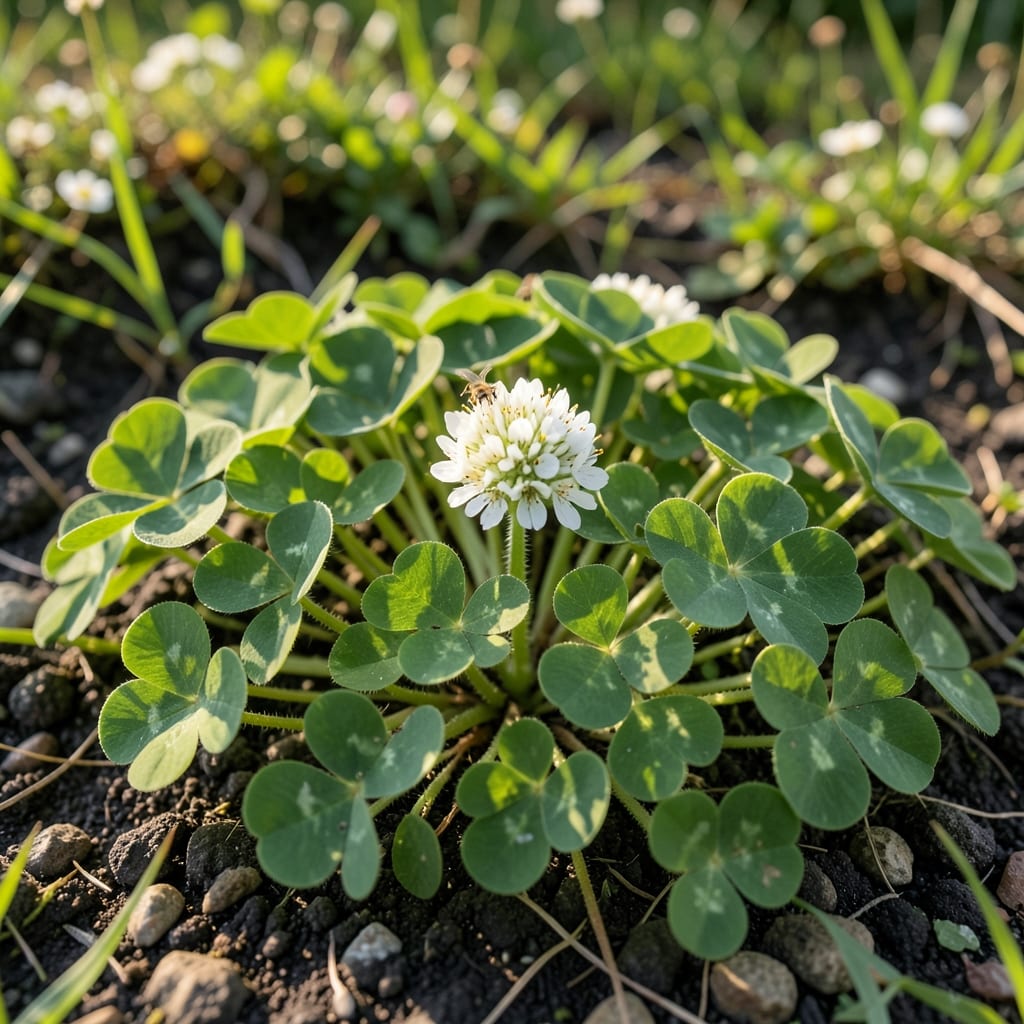
If you're curious about how tall can clover grow, you're not alone—this tiny but mighty plant can surprise you with its size range, from a low-lying carpet to towering stems that reach nearly waist-high. 🌱 Whether you're planting clover for a lush lawn, erosion control, or pollinator support, understanding its growth potential is key to managing it effectively.
The height of clover depends heavily on the variety you choose, with some types staying as short as 3 inches while others stretch up to 36 inches under ideal conditions. For example, white clover often stays compact, making it perfect for lawns, while red clover can grow much taller, providing excellent cover for bees and butterflies. Knowing these differences helps you pick the right type for your garden goals.
Beyond variety, factors like sunlight, soil quality, and watering habits play a huge role in how tall your clover will grow. Too much shade or poor soil can stunt its growth, while ample sun and nutrients encourage it to reach its full potential. If you're aiming for a neat, low-maintenance look, you’ll want to focus on dwarf varieties and regular trimming.
Ready to learn how to control clover height and maximize its benefits in your garden? Let’s break down the best practices for keeping it at your desired size—whether that means a tidy ground cover or a thriving pollinator haven.

Clover height by variety: from tiny ground covers to towering stems
Clover’s height can vary dramatically depending on the variety you choose, with some staying low and others reaching impressive heights. If you’re planting clover for a lawn substitute, dwarf varieties like white clover (Trifolium repens) typically stay between 3 to 6 inches tall, creating a lush, carpet-like appearance. These compact types are perfect for low-maintenance lawns because they stay close to the ground while still providing nitrogen-fixing benefits.
On the other hand, if you’re aiming to support pollinators like bees or add vertical interest to your garden, taller varieties like red clover (Trifolium pratense) can grow up to 36 inches tall when given ideal conditions. This variety produces striking pink or purple flowers that attract beneficial insects, making it a favorite for wildlife gardens and meadows.
Here’s a quick comparison to help you visualize the differences: Dutch clover (Trifolium hybridum) often reaches 12 to 24 inches, while alsike clover (Trifolium hybridum) can grow 18 to 30 inches tall. Each variety has its own unique growth habit, so choosing the right one depends on your garden’s purpose—whether it’s erosion control, pollinator support, or simply adding greenery.
| Variety | Height Range | Best For | Notes |
|---|---|---|---|
| White Clover | 3–6 inches | Lawns, erosion control | Stay low, spreads quickly |
| Red Clover | 12–36 inches | Pollinators, meadows | Tall stems, vibrant flowers |
| Dutch Clover | 12–24 inches | Pastures, erosion control | Fast-growing, drought-tolerant |
| Alsike Clover | 18–30 inches | Wildlife gardens, soil improvement | Adaptable, cold-hardy |
If you’re planting clover for a pollinator-friendly garden, taller varieties like red clover will provide the vertical structure needed for bees and butterflies to forage. However, if you’re looking for a low-maintenance lawn alternative, white clover is your best bet—it stays short, spreads easily, and tolerates foot traffic better than many other ground covers.
Another factor to consider is how clover grows over time. While dwarf varieties may stay under 6 inches tall throughout their lifecycle, taller types like red clover can double in height during peak bloom season. This means if you’re planting clover near walkways or patios, you’ll need to plan for regular maintenance to keep it from encroaching on other areas.
For example, if you plant red clover in a sunny border, it may reach its maximum height of 36 inches by mid-summer. In contrast, white clover in a shady lawn area will likely stay under 4 inches tall, creating a soft, velvety carpet. Understanding these differences helps you choose the right variety for your specific needs.
One common misconception is that all clover grows tall and unruly. In reality, many varieties are designed to stay low and spread horizontally, making them ideal for ground cover. If you’re concerned about clover becoming too tall or invasive, opt for dwarf or semi-dwarf varieties and pair them with regular trimming to maintain your desired height.
For instance, if you’re using clover to prevent soil erosion on a slope, taller varieties like alsike clover can provide better coverage and stability. However, if you’re planting it in a children’s play area, a dwarf white clover will be safer and easier to manage. Always consider both the height potential and the growth habit of the variety you choose.
Finally, remember that clover height isn’t set in stone—it’s influenced by a variety of factors, including sunlight, soil quality, and watering habits. While some varieties naturally stay short, others can be encouraged to grow taller (or shorter) with the right care. In the next section, we’ll dive deeper into what determines how tall your clover will grow and how you can influence its height to suit your garden’s needs.
What determines how tall your clover will grow?
Clover’s height isn’t just about the variety you plant—it’s also shaped by the growing conditions you provide. While some clover types naturally stay short, others can stretch dramatically when given the right environment. For instance, red clover in full sun may reach 36 inches, while the same variety in partial shade might max out at 12 inches. Understanding these factors helps you steer clover growth toward your goals, whether that’s a low-maintenance lawn or a tall pollinator-friendly meadow. 🌿
The most critical factor is sunlight exposure. Clover thrives in full sun, where it can grow 2-3 times taller than in shaded areas. For example, white clover typically stays between 3-6 inches but can reach 12 inches with plenty of sunlight. If you’re planting clover for a lawn, partial shade will keep it shorter, while full sun encourages taller growth—ideal for pollinator gardens. ☀️
Sunlight: The Growth Multiplier
Soil quality is another game-changer. Clover prefers well-draining, slightly acidic soil (pH 6.0-7.0). Poor soil or compacted clay can stunt growth, while rich, loamy soil encourages clover to reach its full height. For example, Dutch white clover in nutrient-dense soil may hit 8 inches, but in depleted soil, it might only grow to 4 inches. A quick soil test and a top dressing of compost can make a huge difference. 🪴
Watering habits also play a role, though clover is surprisingly drought-tolerant once established. Overwatering can lead to leggy, weak growth, while consistent moisture (about 1 inch per week) helps clover grow strong and upright. If you’re growing clover for a lawn, shallow watering encourages shorter, denser growth. For taller varieties like alsike clover, deeper watering supports those 24-36 inch stems. 💧
Finally, pruning and maintenance can control height naturally. Regular mowing (every 4-6 weeks) keeps clover low, while leaving it uncut allows it to grow taller for pollinators. For example, if you shear red clover back to 6 inches in early summer, it’ll stay compact, but leaving it untrimmed lets it grow tall for late-summer blooms. The key is balancing your goals—short for lawns, tall for wildlife. ✂️
By tweaking these factors, you can guide clover’s height to match your vision. Want a pollinator paradise? Give it sun and space. Prefer a tidy lawn? Keep it trimmed and in partial shade. The choice is yours—and your clover will thank you with vibrant growth! 🌼