
How To
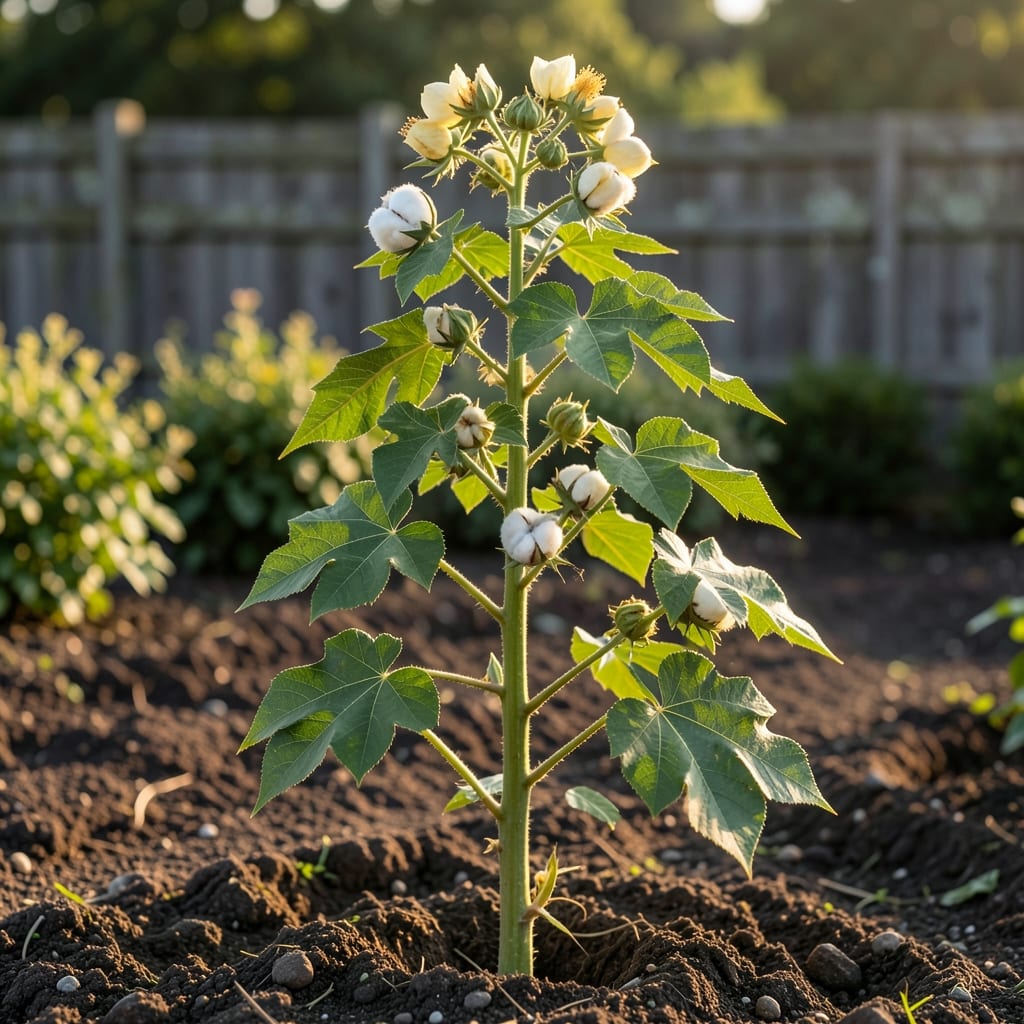
If you’ve ever wondered how tall can cotton grow, the answer might surprise you—especially when you compare wild cotton 🧵 to the neatly trimmed rows of commercial fields. Wild varieties can stretch toward the sky, reaching heights of 10 feet or more, while cultivated cotton rarely exceeds 6 feet due to selective breeding and farming practices.
This dramatic difference isn’t just about aesthetics—it’s shaped by centuries of human intervention. Farmers prioritize shorter, sturdier plants for easier harvesting and higher yields, while wild cotton thrives without such constraints. But what if you’re growing cotton at home? The good news is, with the right conditions, you can encourage taller growth without sacrificing productivity.
In this guide, I’ll break down the factors that influence cotton height—from genetics to climate—and share practical tips for gardeners who want to grow cotton that’s closer to its wild, towering potential. Whether you’re curious about natural growth limits or aiming for a lush home garden, understanding these nuances will help you make the most of your cotton plants.
By the end, you’ll know exactly what to expect from your cotton plants, whether you’re planting a few seeds in your backyard or dreaming of a small-scale harvest. Let’s dive into the fascinating world of cotton growth and discover how to nurture plants that reach their full height potential.


Wild cotton height limits: nature’s uncontrolled giants
Wild cotton plants, like those in the Gossypium genus, can grow 10 feet or taller in ideal conditions—far exceeding the height of most cultivated varieties. These natural giants thrive without human intervention, reaching their full potential when given ample space, nutrients, and sunlight. Unlike their domesticated cousins, wild cotton plants aren’t pruned or genetically modified to stay short, allowing them to stretch toward the sky in search of sunlight and resources.
In their native habitats—such as the American Southwest, Australia, and Africa—wild cotton plants often grow 8 to 12 feet tall, with some species like Gossypium hirsutum (the wild ancestor of upland cotton) reaching heights of 15 feet in extreme cases. This unchecked growth isn’t just about size; it’s a survival strategy. Taller plants can access more sunlight, outcompete weeds, and produce larger seed pods filled with fluffier fibers.
The height of wild cotton is influenced by several key factors, including soil fertility, rainfall, and competition. In nutrient-rich soils with consistent moisture, these plants can grow even taller, while drought or poor soil quality may stunt their growth. Unlike commercial fields, where plants are spaced closely for efficiency, wild cotton grows in sparse, natural settings, allowing each plant to spread its roots and reach for the light without interference.
One fascinating aspect of wild cotton’s height is its role in ecosystem dynamics. Taller plants provide habitat and food for wildlife, from birds nesting in their branches to insects pollinating their flowers. Their height also helps them resist herbivores, as many animals avoid climbing tall, thorny stems. This natural resilience contrasts sharply with cultivated cotton, which is bred for shorter stature and easier harvesting.
| Variety | Max Height | Growth Conditions | Notes |
|---|---|---|---|
| Gossypium hirsutum (wild) | 10–15 ft | Full sun, rich soil, low competition | Native to Americas; thrives in warm climates |
| Gossypium arboreum (tree cotton) | 8–12 ft | Drought-tolerant; grows in arid regions | Old World species; used for coarse fibers |
| Gossypium barbadense (wild Pima) | 9–14 ft | High humidity, fertile soil | Longer fibers; native to South America |
If you’re growing wild cotton in your garden, expect unpredictable but impressive growth. Without pruning or spacing constraints, these plants will naturally reach their maximum height, often surpassing 6 feet within 6 months. However, their height comes with trade-offs: taller plants require more space, support, and maintenance to avoid flopping over or breaking under the weight of their bolls. In my own garden, I’ve seen wild cotton varieties grow 8 feet tall in a single season, but they needed sturdy stakes to stay upright.
Wild cotton’s height is also tied to its reproductive strategy. Taller plants produce more flowers, increasing the chances of pollination and seed set. This is especially true in low-competition environments, where wild cotton can devote more energy to vertical growth rather than competing with other plants. For gardeners, this means that if you’re aiming for maximum height and fiber production, mimicking these natural conditions—like providing rich, well-draining soil and full sunlight—will yield the best results.
One common misconception is that all wild cotton grows equally tall. In reality, height varies by species and location. For example, Gossypium arboreum, native to India and Africa, typically grows 8 to 12 feet tall, while Gossypium raimondii, found in Peru, maxes out around 6 to 8 feet. These differences highlight how climate and genetics interact to shape cotton’s growth potential. For home gardeners, this means selecting the right variety can make a big difference in how tall your cotton plants will grow.
To encourage wild-type height in your garden, avoid pruning unless necessary, and ensure your plants have plenty of room to spread. Unlike commercial cotton, which is often grown in dense rows for mechanical harvesting, wild cotton performs best when spaced at least 3 feet apart. This spacing allows roots to expand and stems to grow taller without crowding. If you’re in a region with hot, dry summers, consider mulching around the base of your plants to retain moisture and encourage deeper root growth, which supports taller stems.
Finally, remember that wild cotton’s height isn’t just about aesthetics—it’s a testament to the plant’s adaptability and resilience. By understanding how these natural giants grow, you can make informed decisions about cultivating cotton in your own garden, whether you’re aiming for maximum height or practical harvests. The key is balancing nature’s tendencies with your gardening goals, ensuring your cotton plants reach their full potential without sacrificing productivity.
Cultivated cotton height: why commercial varieties stay short
When you drive past commercial cotton fields, you’ll notice something striking: the plants are neatly trimmed and rarely exceed 5 feet tall. This isn’t an accident—it’s the result of centuries of selective breeding and agricultural engineering. Unlike wild cotton, which grows tall to compete for sunlight, cultivated varieties like Upland and Pima cotton are bred to stay short for harvest efficiency, pest resistance, and mechanical compatibility. Understanding why commercial cotton stays compact can help you decide whether to grow shorter, manageable varieties or experiment with taller, wild-type plants at home.
One of the biggest reasons for controlled height in commercial cotton is mechanical harvesting. Modern farms use spinning cotton pickers that comb through rows of plants to collect bolls. These machines are designed to work efficiently with plants that are uniform in height and densely packed. If cotton grew too tall—say, 8 feet or more—it would tangle in the machinery, reduce harvest speed, and increase labor costs. Shorter plants also dry more evenly, making it easier to remove fibers from seeds without damage. This practicality is why you’ll rarely see commercial cotton towers over your head like its wild counterparts.
Another key factor is genetic modification for yield and fiber quality. Farmers prioritize varieties that produce dense, high-quality fiber while maintaining compact growth habits. For example, Upland cotton (Gossypium hirsutum), which makes up over 90% of global production, is bred to stay between 3 and 5 feet tall. This height balances boll production, fiber length, and ease of harvesting. In contrast, Pima cotton (Gossypium barbadense), known for its longer, silky fibers, can grow slightly taller—up to 6 feet—but still far short of wild varieties. The trade-off? Shorter plants often mean higher yields per acre, as more bolls can fit into a given space without overcrowding.
Pest and disease resistance also play a role in keeping cotton short. Taller plants are more vulnerable to wind damage, fungal infections, and insect infestations because their stems are thinner and less structurally sound. Commercial growers select varieties with sturdy, bushy growth habits that resist lodging (falling over) under the weight of heavy bolls. Additionally, shorter plants are easier to spray with pesticides and herbicides, reducing labor and chemical costs. This is why you’ll see pruning and staking techniques in commercial fields—not to limit height, but to shape plants for optimal growth and protection.
🌱 Pros and Cons of Short vs. Tall Cotton
- ✅ Easier to harvest (mechanical pickers)
- ✅ Higher yield per acre
- ✅ Better pest resistance
- ✅ Lower labor costs
- ✅ More sunlight access (better fiber quality)
- ✅ Natural resilience (wild-type adaptability)
- ✅ Unique aesthetic (ornamental value)
- ❌ Harder to harvest (manual labor needed)
- ❌ Prone to lodging (requires staking)
For home gardeners, the choice between short and tall cotton often comes down to space and intent. If you’re growing cotton for practical harvests or fiber production, shorter varieties like Deltapine or Stoneville are ideal—they’re low-maintenance, high-yielding, and easy to manage. But if you’re drawn to the wild, untamed look of cotton or want to experiment with heirloom varieties, taller plants can be a rewarding challenge. Just be prepared for more hands-on care, including staking, pruning, and pest monitoring, to keep them healthy and productive.
One common mistake home growers make is assuming that all cotton is created equal in terms of height. In reality, even within cultivated varieties, there’s variation. For example, organic cotton varieties like Sea Island cotton can grow taller than conventional Upland cotton because they’re bred for fiber quality over yield. If you’re aiming for taller cotton at home, look for heirloom or wild-type seeds and be ready to provide extra support and care to help them reach their full potential without toppling over.
Ultimately, the height of your cotton plants depends on your goals and resources. Commercial growers prioritize efficiency and yield, which is why their fields look so uniform. But for gardeners, the flexibility to grow cotton at any height is one of the plant’s biggest appeals. Whether you choose compact, easy-to-harvest varieties or towering wild types, understanding the reasons behind cotton’s height will help you make the best choice for your garden—and maybe even inspire you to try growing both!