
Size
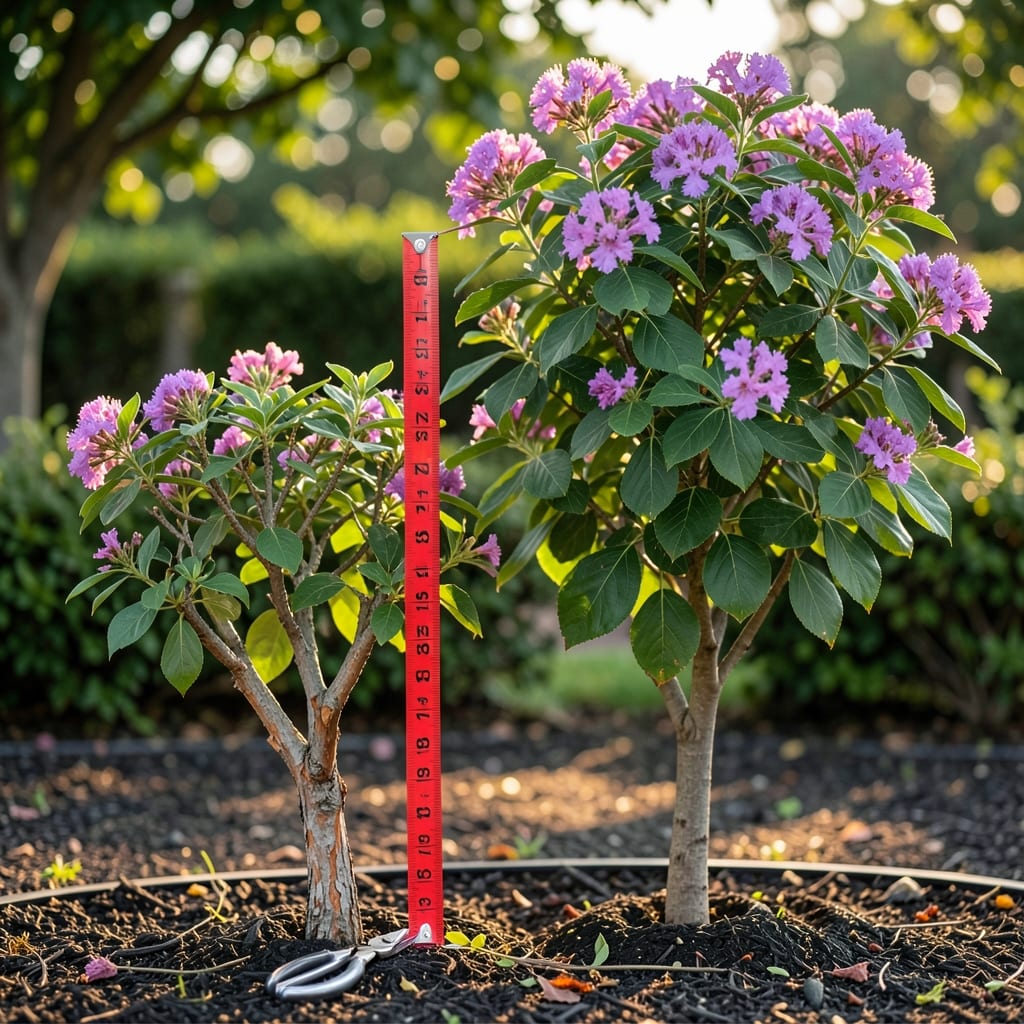
When you picture crape myrtles in your yard, do you envision how tall can crape myrtles grow—towering shade trees or neatly trimmed shrubs? The answer depends entirely on the variety you choose—and believe it or not, these plants can grow anywhere from 6 feet to a staggering 30 feet tall. Before you plant, knowing these height ranges will help you pick the perfect crape myrtle for your space, whether it’s a cozy patio or a sprawling backyard.
What’s even more surprising is how quickly they reach their mature size. Some dwarf varieties stay compact for years, while others shoot up 10 feet in just a few seasons. The key lies in selecting the right type for your climate and pruning habits—something many gardeners overlook until it’s too late. Let’s break down the height spectrum so you can make an informed choice.
If you’ve ever worried about crape myrtles growing uncontrollably, rest assured—with the right variety and a little guidance, you can keep them at any height you prefer. Whether you’re dreaming of a 6-foot privacy screen or a 30-foot statement tree, this guide will show you how to get the look you want without the guesswork.
Ready to transform your landscape? We’ll cover everything from the fastest-growing types to pruning tips that keep your crape myrtle at the perfect height—no surprises included. Let’s get started!

Crape myrtle height by variety: from dwarf shrubs to 30-Foot trees
Crape myrtles (Lagerstroemia) are famous for their dramatic height range, offering options for every garden size. Whether you need a 6-foot patio shrub or a 30-foot shade tree, the right variety exists. Their mature height depends on genetics, pruning, and growing conditions—but let’s focus first on the variety-specific heights that determine your planting plan.
Dwarf crape myrtles like 'Natchez' or 'Acoma' stay under 6 feet, perfect for urban gardens or container growing. Semi-dwarf varieties like 'Tonto' reach 12-18 feet, ideal for small yards or as accent plants. Meanwhile, standard varieties such as 'Muskogee' or 'Catawba' can soar to 20-30 feet, making them statement pieces for large landscapes.
Here’s the key: height isn’t fixed. Even standard varieties can be pruned to stay smaller, while dwarf types may grow slightly taller if given ideal conditions. The table below breaks down popular varieties by mature height, along with their growth habits and best uses.
| Variety | Mature Height | Growth Rate | Best For |
|---|---|---|---|
| 'Natchez' | 6–8 ft | Slow to moderate | Containers, small patios, foundation planting |
| 'Acoma' | 6–10 ft | Moderate | Urban gardens, mixed borders |
| 'Tonto' | 12–15 ft | Moderate | Small yards, privacy screens |
| 'Muskogee' | 20–25 ft | Fast | Large landscapes, shade trees |
| 'Catawba' | 25–30 ft | Fast | Park-like settings, street trees |
| 'Sioux' | 15–20 ft | Moderate | Medium yards, mixed plantings |
Notice how 'Natchez' and 'Acoma' are ideal for small-space gardening, while 'Muskogee' and 'Catawba' dominate large properties. But here’s a pro tip: even tall varieties can be pruned to stay smaller if you’re short on space. The rootstock also plays a role—some nurseries graft dwarf varieties onto standard rootstock, which can lead to unexpected height increases over time.
For fastest growth, prioritize full sun exposure (6+ hours daily) and well-draining soil. Crape myrtles thrive in USDA Zones 7-9, but some cold-hardy varieties like 'Yuma' extend their range to Zone 6. If you’re in a hot, dry climate, expect slightly faster growth due to longer growing seasons.
One common misconception is that crape myrtles grow uncontrollably. In reality, their height is highly manageable with proper pruning. For example, late-winter pruning (just before buds swell) can reduce a 20-foot tree to a 12-foot shrub in one season. The key is to prune above a leaf node and avoid cutting into old wood, which can stunt growth.
If you’re unsure which variety to choose, consider your long-term goals. Need a quick privacy screen? Opt for 'Tonto' or 'Sioux'. Want a low-maintenance shade tree? Go for 'Muskogee'. For container growing, 'Natchez' or 'Acoma' are unbeatable. Just remember: height isn’t destiny—pruning and care can shape your crape myrtle’s future.
Next, we’ll dive into pruning techniques to control height, whether you want a compact shrub or a tall, elegant tree. You’ll learn the best tools, timing, and mistakes to avoid—so your crape myrtle grows exactly how you envision it.
Crape myrtle height by variety: from dwarf shrubs to 30-Foot trees
Crape myrtles offer a stunning range of heights, from 6-foot dwarf shrubs perfect for small patios to 30-foot towering trees that dominate large landscapes. The variety you choose directly impacts how tall your crape myrtle will grow, so let’s explore the spectrum—because not all crape myrtles are created equal. Some varieties mature in just a few years, while others take decades to reach their full potential.
If you’re working with limited space, dwarf varieties like 'Acoma' or 'Centennial' stay under 10 feet, making them ideal for urban gardens or container growing. On the other end, standard varieties like 'Natchez' or 'Muskogee' can soar to 25-30 feet, providing shade and drama for expansive yards. The key is matching the variety to your climate and available space.
Here’s a quick breakdown of what to expect from popular crape myrtle varieties, including their mature heights and growth habits:
| Variety | Mature Height | Growth Rate | Best For |
|---|---|---|---|
| 'Acoma' | 6–8 ft | Slow to moderate | Small yards, containers |
| 'Centennial' | 8–12 ft | Moderate | Patios, foundation planting |
| 'Tonto' | 10–15 ft | Fast | Privacy screens, quick shade |
| 'Natchez' | 20–30 ft | Moderate | Large landscapes, shade trees |
| 'Muskogee' | 25–30 ft | Fast | Statement trees, bold accents |
One common misconception is that all crape myrtles grow uncontrollably tall. In reality, their height is largely determined by the rootstock and pruning habits. For example, grafted varieties like 'Tonto' stay compact because their roots are restricted, while seed-grown trees often grow much taller. If you’re unsure about your climate’s suitability, opt for cold-hardy varieties like 'Sioux' (15–20 ft) or 'Zuni' (10–15 ft), which thrive in cooler regions.
For urban gardeners or those with limited space, semi-dwarf varieties like 'Catawba' (12–18 ft) strike a balance between manageable size and dramatic blooms. These types are perfect for narrow yards or mixed borders where you want height without overwhelming your landscape. Always check the USDA hardiness zone for your variety—some, like 'Catawba', handle zones 5–9, while others, like 'Muskogee', prefer zones 7–10.
Ready to pick the perfect crape myrtle for your space? Start by measuring your yard and matching it to the mature height of the variety. And remember—pruning plays a huge role in controlling height, which we’ll cover in the next section. Whether you’re aiming for a 6-foot patio shrub or a 30-foot shade giant, the right variety and care will get you there. 🌸