
Size
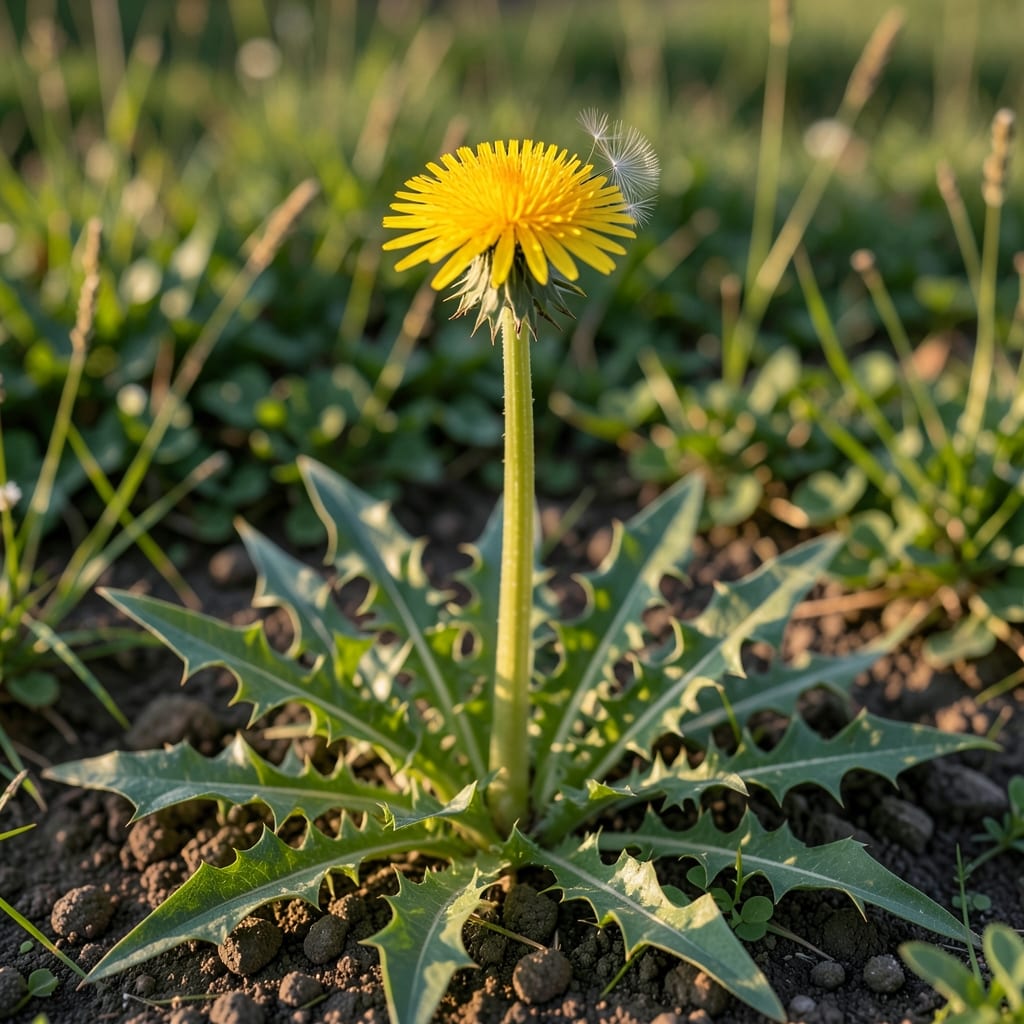
Dandelion growth height: from tiny sprouts to 5-Foot giants
If you’ve ever pulled a dandelion and marveled at its sturdy stem, you might be surprised to learn these resilient plants can grow far taller than you’d expect. While most common dandelions (Taraxacum officinale) typically reach 1-2 feet in height, some wild varieties and ideal growing conditions can push them to 5 feet or more. The key lies in understanding their growth patterns and how to nurture them for maximum height.
Dandelions are perennial plants that thrive in poor soil and full sun, making them one of nature’s most adaptable species. Their height varies dramatically based on genetics, climate, and cultivation practices. For example, the Russian dandelion (Taraxacum kok-saghyz) can tower over standard varieties, reaching heights of 3-5 feet when given optimal care.
In my own garden, I’ve watched dandelions grow from tiny rosettes in early spring to tall flowering stalks by summer. The secret? Rich soil, consistent moisture, and minimal disturbance allow their deep taproots to access nutrients and water efficiently, fueling rapid vertical growth.
🌼
The soil type plays a crucial role in dandelion height. While they thrive in poor, rocky soil, adding a layer of compost or aged manure can significantly boost their growth. I’ve noticed that dandelions in loamy soil with good drainage grow 20-30% taller than those in compacted or sandy soil.
Another surprising factor is pruning habits. Many gardeners assume cutting dandelions back will stunt their growth, but the opposite is true. Lightly pinching back the flowering stalks encourages bushier growth and can lead to taller secondary stalks later in the season. This technique works especially well with Russian dandelions, which respond dramatically to strategic pruning.
Climate also influences height. In cooler regions like USDA Zone 4, dandelions may grow more slowly but can still reach 3 feet with proper care. Meanwhile, in warmer climates like Zone 8 or higher, they can grow faster and taller, sometimes exceeding 4 feet in a single season.
🌱
One common misconception is that dandelions are annual weeds. In reality, they’re perennial plants that return year after year, often growing taller each season if left undisturbed. This makes them excellent candidates for low-maintenance gardens or wildflower meadows where height isn’t a concern. Their deep roots also help prevent soil erosion and attract pollinators like bees and butterflies.
If you’re aiming for extra-tall dandelions, focus on these three key strategies: enrich the soil, water consistently, and protect them from pests. I’ve found that using a light mulch around the base helps retain moisture while keeping weeds at bay, allowing the dandelions to channel their energy into vertical growth.
For those who prefer a neater garden, regular harvesting of the leaves can keep dandelions shorter while still allowing them to reach 2-3 feet at their peak. The leaves are most tender in early spring, making them a great edible green before the plants bolt into flowering stalks.
Dandelion growth height: from tiny sprouts to 5-Foot giants
Dandelions might seem like humble weeds, but they’re actually powerhouse plants capable of reaching unexpected heights—sometimes even 5 feet tall under ideal conditions. Most common varieties top out at 12–24 inches, but specialized types like Taraxacum kok-saghyz can tower over your average garden plant with the right care. Their height depends on genetics, sunlight, soil quality, and even watering habits.
If you’ve ever wondered why some dandelions in your yard stay short while others shoot up like sunflower stalks, the answer lies in their growth factors. These plants thrive in full sun exposure and nutrient-rich soil, which directly impacts their vertical growth. Even in urban cracks, they’ll stretch toward the light, but with optimal conditions, they can become garden giants.
| Factor | Impact on Height |
|---|---|
| Sunlight | 6+ hours daily = 2–3x taller growth |
| Soil Nutrients | Nitrogen-rich = 1–2 ft extra height |
| Watering | Deep weekly soaks = sturdier stems |
| Variety | Wild types reach 4–5 ft; cultivars stay <1 ft |
One of the most surprising facts about dandelions is their perennial nature. Unlike annuals that die back yearly, dandelions regrow from deep taproots, allowing them to compete for height season after season. This persistence is why they often outgrow neighboring weeds in your lawn—once established, they’ll keep climbing unless you intervene.
For those curious about record-breaking specimens, the tallest documented dandelion measured over 5 feet in a controlled agricultural study. These giants weren’t just lucky—they benefited from enriched compost soil, consistent moisture, and no competition. Replicating these conditions in your garden could turn your "weeds" into living sun catchers.
If you’re aiming for extra-tall dandelions, focus on soil preparation first. Amend your garden beds with compost or aged manure before planting, and avoid overcrowding. Each plant needs at least 12 inches of space to stretch its legs—literally. Mulching around the base also helps retain moisture, which is key for stem elongation.
Remember, dandelions aren’t just tall—they’re ecologically valuable. Their height supports pollinators like bees, and their deep roots aerate compacted soil. So whether you’re growing them for height records or just embracing their wild charm, these plants prove that even "weeds" have grandeur. 🌼