
Size
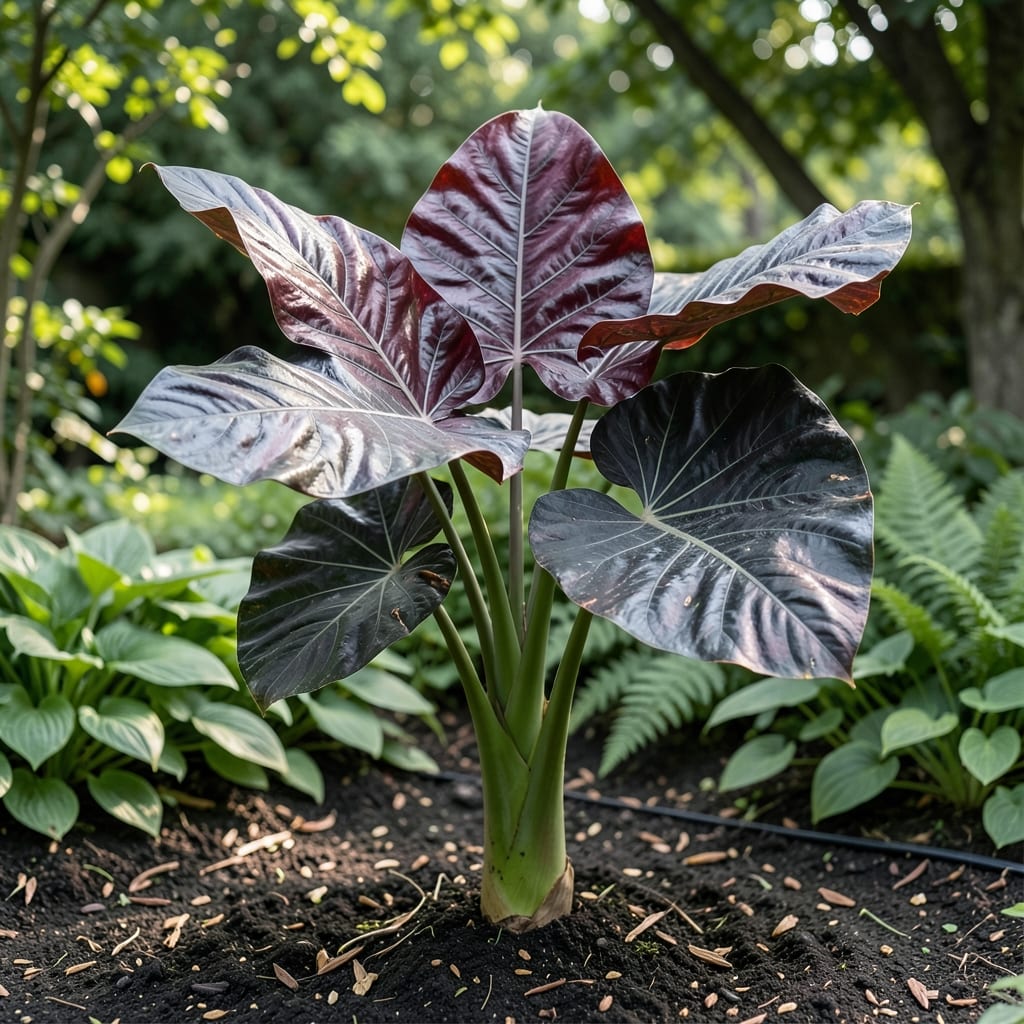
If you’ve ever marveled at the towering, tropical leaves of elephant ears 🌿 and wondered just how tall these giants can grow, the answer might surprise you—some varieties stretch toward the sky like living skyscrapers, reaching heights of 5 to 7 feet under ideal conditions.
These dramatic plants aren’t just eye-catching; they’re also surprisingly adaptable, thriving in USDA Zone 6a and beyond when planted in spring after the last frost. Whether you’re dreaming of a lush jungle corner or simply curious about their growth potential, understanding the factors that influence their height—like sunlight, soil, and variety—can help you nurture a showstopping display.
From dwarf types that stay compact to colossal cultivars that dwarf even the tallest gardeners, elephant ears offer something for every space. I’ll break down how to maximize their growth, when to expect their full height, and how to provide the care they need to reach their skyward limits.
Ready to transform your garden into a verdant oasis? Let’s dive into the world of elephant ears and discover how to coax these tropical beauties to their full, impressive height.


Elephant ear height limits: tallest varieties and their skyward potential
Elephant ears (Colocasia spp.) are the tropical giants of the garden world, capable of reaching 5 to 7 feet in ideal conditions. Their height depends heavily on the variety, with some dwarf types staying under 2 feet while others tower like skyscrapers. The Colocasia gigantea, for example, is known for its 6-foot-plus stature, making it a standout for bold garden statements.
Understanding these height ranges helps you plan your garden layout. If you’re working with limited space, compact varieties like 'Illustris' (3-4 feet) offer stunning foliage without overwhelming your yard. Meanwhile, larger varieties thrive in moist, shaded areas where they can stretch their leaves toward the sky.
Here’s how key factors influence their growth: sunlight (partial shade is ideal), soil moisture (consistently damp), and climate (tropical or humid regions). In cooler climates like USDA Zone 6a, they may grow slightly shorter but still reach impressive heights with proper care.
| Variety | Mature Height | Growth Habit | Best For |
|---|---|---|---|
| Colocasia gigantea | 5–7 ft | Tall, upright | Bold statements, large gardens |
| Colocasia antiquorum 'Black Stem' | 4–5 ft | Medium, bushy | Containers, shaded borders |
| Colocasia 'Illustris' | 3–4 ft | Compact, clumping | Small gardens, borders |
| Colocasia 'Pink China' | 2–3 ft | Dwarf, trailing | Hanging baskets, edging |
| Alocasia 'Polly' | 3–4 ft | Medium, upright | Indoor/outdoor pots |
For maximum height, prioritize rich, organic soil mixed with compost to support robust root development. In containers, choose large pots (at least 12 inches deep) to accommodate their sprawling roots, though this may slightly limit their height compared to in-ground planting.
Another critical factor is watering consistency. Elephant ears demand daily moisture, especially during their growing season (spring to summer). Allowing the soil to dry out can stunt growth, while overwatering in poor drainage can lead to root rot—neither scenario is ideal for towering plants.
In cooler climates, growth may slow, but with seasonal mulching and protection from frost, you can still coax impressive heights. Varieties like 'Mojito' (4-5 feet) thrive in USDA Zone 6a with these adjustments, proving that even temperate gardeners can enjoy jungle-like foliage.
If you’re aiming for taller elephant ears, avoid full sun exposure, which can scorch their delicate leaves. Instead, opt for dappled shade or morning sun paired with afternoon shade. This balance encourages vertical growth while protecting the leaves from damage.
Finally, consider pruning to manage height if needed. Trimming back leggy stems in early spring can encourage bushier growth and prevent top-heavy plants from flopping over. This technique is especially useful for taller varieties like Colocasia gigantea, which can become top-heavy without support.
With the right care, your elephant ears can become the centerpiece of your garden, their towering leaves casting dramatic shadows and adding a touch of tropical elegance. Whether you’re a space-conscious gardener or a jungle enthusiast, there’s a variety to suit your needs—and your height goals!
Elephant ear height limits: tallest varieties and their skyward potential
Elephant ears (Colocasia spp.) are renowned for their stunning foliage and tropical stature, but their height potential varies dramatically depending on the variety. While most gardeners expect these plants to reach 3 to 5 feet, some towering cultivars can stretch up to 7 feet under ideal conditions—making them perfect for creating dramatic focal points in your garden.
The tallest elephant ear varieties, such as Colocasia gigantea and Colocasia antiquorum, are the stars of the show. These giants thrive in rich, moist soil and partial shade, where they can channel their energy into vertical growth rather than bushy foliage. In contrast, dwarf varieties like 'Pink China' stay compact, reaching only 12 to 18 inches, making them ideal for containers or small gardens.
Here’s how environmental factors influence their height: Sunlight plays a critical role—too much direct sun can scorch leaves, stunting growth, while consistent moisture fuels their rapid ascent. In USDA Zone 6a, where I garden, I’ve found that planting elephant ears in spring after the last frost (around April 15) gives them a full growing season to reach their peak height.
| Variety | Mature Height | Growth Habit | Ideal Conditions |
|---|---|---|---|
| Colocasia gigantea | 5–7 ft | Tall, upright | Partial shade, moist soil |
| Colocasia antiquorum | 4–6 ft | Bold, broad leaves | Rich soil, consistent water |
| 'Black Stem' | 3–4 ft | Compact, dark stems | Partial shade, well-draining |
| 'Illustris' | td style="padding: 10px; border-bottom: 1px solid #ffcc00;">2–3 ftDwarf, heart-shaped | Containers, partial sun | |
| 'Pink China' | 1.5–2 ft | Small, pink-tinged | Full sun to partial shade |
For gardeners aiming to cultivate tall elephant ears, selecting the right variety is just the first step. The soil mix you use can make or break their growth—amending your garden bed with compost and peat moss ensures nutrients are readily available. I’ve also found that mulching around the base helps retain moisture, which is critical for their rapid vertical growth.
Climate plays a surprising role too. In warmer zones (7b and above), elephant ears can grow even taller because they’re not limited by shorter growing seasons. However, in cooler climates like Zone 6a, they may need seasonal protection or to be treated as annuals. If you’re in a shorter growing season, focus on planting early in spring and providing consistent care to coax every inch of height possible.
One common misconception is that elephant ears will grow indefinitely. In reality, their height is genetically determined by the variety, but pruning can help manage their size or encourage bushier growth. For instance, pinching back the top growth in early summer can stimulate side shoots, creating a fuller plant rather than a single towering stalk. This technique is especially useful for taller varieties that might otherwise become top-heavy.