
Plants
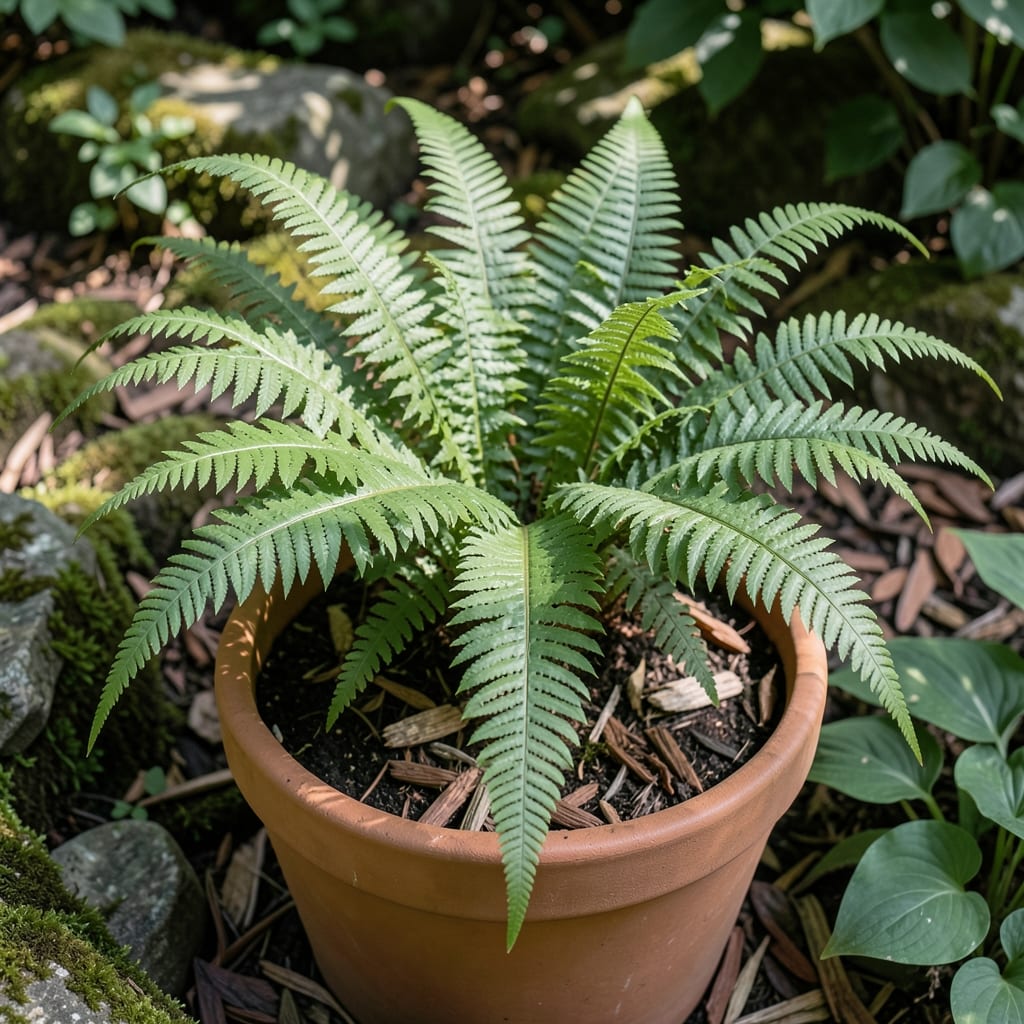
If you’ve ever wondered how tall can ferns grow, the answer might surprise you—these delicate-looking plants can stretch from tiny tabletop companions to towering jungle giants. Whether you’re dreaming of a lush, shady corner or a dramatic focal point in your garden, ferns offer something for every space.
Some varieties stay compact, perfect for shelves or hanging baskets, while others reach 8 feet or more, creating a verdant backdrop in your outdoor oasis. The key to unlocking their full height potential lies in understanding their needs—light, soil, and even pruning can all play a role in shaping their growth.
From the delicate fronds of maidenhair ferns to the bold stature of tree ferns, each type has its own growth story. I’ll break down the most popular varieties and share practical tips to help you choose—and nurture—the perfect fern for your home or garden.
Ready to transform your space with these versatile plants? Let’s dive into the world of ferns and discover how to maximize their height—naturally and beautifully.


Fern height ranges: from miniature to tree-like giants
Ferns are nature’s architectural marvels, offering an incredible range of heights that can transform your garden from cozy to grand. The height of ferns depends entirely on the variety—some stay petite enough for windowsills, while others grow tall enough to rival small trees. Understanding these ranges helps you choose the perfect fern for your space, whether it’s a shady corner or a sun-dappled patio.
I’ve grouped ferns into four height categories to help you visualize their potential: dwarf (under 3 feet), medium (3–5 feet), tall (5–8 feet), and giant (over 8 feet). Each category thrives under slightly different conditions, so let’s explore the best options for your garden’s scale and style.
🌿
| Category | Height Range | Popular Varieties | Ideal Location |
|---|---|---|---|
| Dwarf | 1–3 ft | Maidenhair fern, Button fern, Jewel fern | Hanging baskets, windowsills, terrariums |
| Medium | 3–5 ft | Boston fern, Holly fern, Lacy fern | Borders, patio pots, shaded garden beds |
| Tall | 5–8 ft | Ostrich fern, Royal fern, Cinnamon fern | Woodland gardens, moist shaded areas, large containers |
| Giant | 8–15 ft | Tree ferns, Royal fern, Southern shield fern | Large gardens, tropical landscapes, woodland edges |
Dwarf ferns like the maidenhair fern are perfect for adding greenery to small spaces. Their delicate fronds reach just 1–2 feet tall, making them ideal for terrariums or hanging baskets. These varieties thrive in bright, indirect light and prefer moist, well-draining soil—think of them as the fairy plants of the garden world.
Medium-height ferns, such as the Boston fern, strike a balance between manageable size and dramatic impact. Growing 3–5 feet tall, they’re versatile enough for borders or patio pots while still making a statement. These ferns love partial shade and humid conditions, so they’re perfect for shady garden corners or under trees.
The tall fern category includes showstoppers like the ostrich fern, which can soar to 6–8 feet in ideal conditions. These ferns create a lush, tropical feel in moist, shaded areas and are fantastic for adding texture to woodland gardens. Their fronds unfurl dramatically, making them a focal point in any landscape.
For those dreaming of jungle-like grandeur, giant ferns like the tree fern reach 8–15 feet tall, with some varieties even forming trunks over time. These are the statement plants of the fern world, best suited for large gardens or tropical-themed landscapes. They thrive in rich, acidic soil and high humidity, mimicking their natural habitat in rainforests.
🌳
Remember, the height of ferns isn’t set in stone—environmental factors like light exposure, soil quality, and pruning habits can influence growth. For example, a Boston fern in full shade might stay shorter than one basking in bright, indirect light. Similarly, regular pruning can encourage bushier growth in taller varieties.
If you’re working with limited space, opt for dwarf or medium-height ferns and place them in containers. For bold garden statements, let taller varieties stretch their fronds skyward. The key is to match the fern’s natural growth habits with your garden’s conditions for the best results.
Fern height ranges: from miniature to tree-like giants
Ferns are nature’s architectural marvels, offering a stunning range of heights that can transform any space. The smallest varieties, like the maidenhair fern, stay under 12 inches, making them perfect for terrariums or desk companions. Meanwhile, the tree fern can soar to 8 feet or taller, creating a tropical statement in your garden.
Understanding these height ranges helps you plan your garden layout—whether you’re creating a cozy nook or a dramatic backdrop. The key factors influencing height are species type, growing conditions, and pruning habits. Let’s explore how different ferns stack up in size and what you can expect from each.
| Variety | Height Range | Ideal Use |
|---|---|---|
| Maidenhair Fern (Adiantum) | 6–12 inches | Hanging baskets, terrariums |
| Boston Fern (Nephrolepis exaltata) | 2–3 feet | Potted plants, shade gardens |
| Ostrich Fern (Matteuccia struthiopteris) | 3–5 feet | Woodland gardens, borders |
| Tree Fern (Dicksonia antarctica) | 6–8 feet | Tropical gardens, focal points |
| Royal Fern (Osmunda regalis) | 4–6 feet | Wetlands, pond edges |
The maidenhair fern and its relatives thrive in small spaces, while the tree fern demands room to stretch. For example, the Boston fern typically reaches 2–3 feet but can sprawl wider if given ideal conditions. Meanwhile, the ostrich fern grows upright, making it ideal for vertical garden designs.
Light plays a crucial role in height regulation. Most ferns prefer partial shade, but too much direct sun can stunt growth, while too little light may cause leggy, weak fronds. For instance, the royal fern loves moist, shady spots near ponds, where it can reach its full 4–6 foot height. In contrast, the tree fern flourishes in bright, indirect light, encouraging taller growth.
Soil composition also affects height. Ferns prefer well-draining, slightly acidic soil rich in organic matter. Amending your soil with compost or peat moss can help smaller varieties like the maidenhair fern reach their maximum potential, while larger species like the tree fern benefit from deep, nutrient-rich beds. Pruning old fronds in early spring can also encourage healthier, taller growth.
Whether you’re aiming for a compact fern collection or a towering jungle vibe, choosing the right variety and providing optimal care will ensure your ferns grow to their full, stunning heights. With the right conditions, even a tiny maidenhair fern can become a lush, eye-catching centerpiece—just on a smaller scale!