
Size
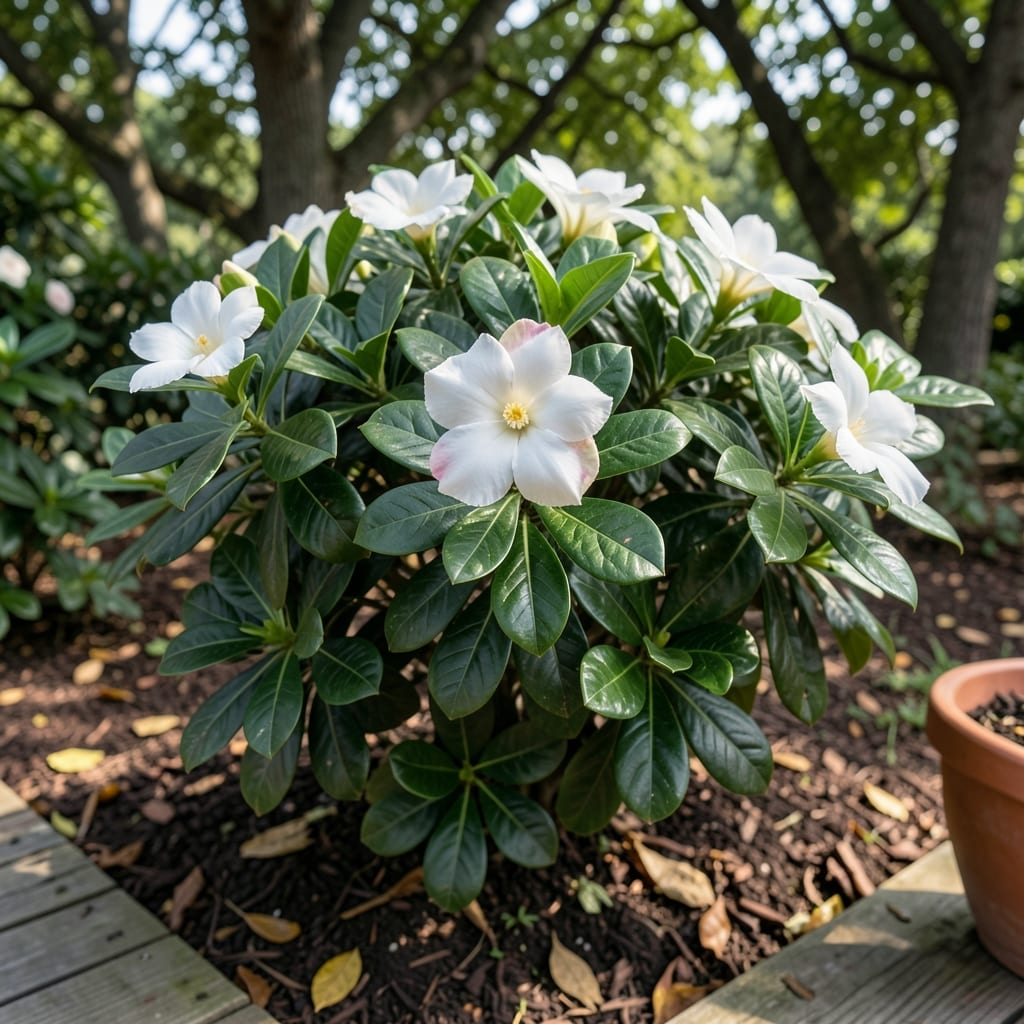
If you’ve ever wondered just how tall a gardenia 🌸 can grow—whether it’ll tower over your patio or stay neatly contained—you’re about to get the answer. These fragrant shrubs can reach heights of 4 to 6 feet under ideal conditions, but with the right care, you can easily manage their size to fit your space perfectly.
The key to controlling a gardenia’s height lies in understanding its natural growth patterns and when to step in with pruning. Without intervention, some varieties can grow tall and leggy, especially in warmer climates like USDA Zone 6a. But don’t worry—with a few simple techniques, you can keep your gardenia at a manageable height while still enjoying its stunning blooms and intoxicating scent.
In this guide, I’ll break down everything you need to know about gardenia growth, from the fastest-growing varieties to the best pruning practices for shaping your plant. Whether you’re dealing with a standard gardenia reaching for the sky or a dwarf variety that stays compact, you’ll learn how to maintain the perfect size for your garden or container.
Ready to transform your gardenia from a potential space-taker into a well-behaved, fragrant centerpiece? Let’s dive into the secrets of pruning and care that will keep your gardenia at just the right height—without sacrificing those gorgeous flowers.

Natural gardenia growth height: what to expect by variety
If you're wondering how tall can gardenia grow, the answer depends entirely on the variety you choose. Gardenia jasminoides, the most common type, typically reaches 4 to 6 feet tall at maturity, but some varieties can exceed 6 feet in ideal conditions. This makes them perfect for hedges or as standalone shrubs in larger gardens.
For smaller spaces, dwarf gardenias like 'Kleim's Hardy' or 'Radicans' stay between 2 to 3 feet tall, making them ideal for containers or patio gardens. These varieties grow at a slower rate, reaching their mature height in just 2 to 3 years compared to standard varieties.
Climate plays a huge role in gardenia height. In USDA Zones 8-10, where they thrive naturally, gardenias grow taller and more vigorously. However, in cooler zones like Zone 7 or below, they may stay shorter—often 3 to 4 feet tall—unless you provide winter protection like mulch or a frost cloth.
Another factor is whether your gardenia is grown in containers vs. in-ground. Potted gardenias often grow 1 to 2 feet shorter than their in-ground counterparts due to root restriction. However, container gardening gives you full control over soil conditions, which can actually boost blooming if done right.
Here’s a quick comparison: a standard gardenia in full sun and rich soil might reach 6 feet tall in 3 to 4 years, while a dwarf variety in partial shade could max out at 2.5 feet in the same timeframe. The key is choosing the right variety for your space and climate.
| Variety | Mature Height | Growth Rate | Best For |
|---|---|---|---|
| Gardenia jasminoides (Standard) | 4–6 ft | Moderate (3–4 years to mature) | Hedges, privacy screens, large gardens |
| 'Kleim's Hardy' (Dwarf) | 2–3 ft | Slow (2–3 years to mature) | Containers, patios, small gardens |
| 'Radicans' (Trailing) | 3–4 ft (spreading) | Moderate (3 years to mature) | Borders, hanging baskets, slopes |
| 'Veitchii' (Large-Flowered) | 5–6 ft | Slow (4–5 years to mature) | Specimen plants, focal points |
One common misconception is that gardenias grow too fast and become unmanageable. In reality, their growth rate is moderate to slow, especially in cooler climates. However, without proper pruning and care, even dwarf varieties can outgrow their intended space. For example, a 'Kleim's Hardy' left unpruned might reach 4 feet tall instead of its ideal 2 to 3 feet.
If you're planning to grow gardenias in containers, choose a variety like 'Radicans', which naturally stays compact and even trails beautifully. These varieties are perfect for balconies or small yards where space is limited. Just remember: container size matters—a 5-gallon pot will restrict root growth, while a 15-gallon pot gives roots room to expand, encouraging healthier growth.
For those in warmer climates (Zones 9-10), gardenias can grow even taller—sometimes exceeding 7 feet—if given ideal conditions like rich, acidic soil and consistent moisture. In these areas, they thrive as year-round evergreens, adding lush foliage and fragrant blooms to your landscape. If you live in a cooler zone, focus on protecting roots in winter to prevent stunted growth.
Pro tip: If you're unsure about your gardenia's potential height, start with a dwarf variety and observe how it grows in your specific conditions. You can always prune back if it outgrows your space, but it’s easier to manage a smaller plant from the start. Plus, dwarf gardenias often bloom more profusely because their energy isn’t focused on excessive height.
🌸
Pruning gardenias for height control: step-by-step guide
Pruning is the secret weapon for controlling gardenia height and encouraging lush, bushier growth. The best time to prune is in late winter or early spring, just before new growth begins. This timing allows you to shape your gardenia while minimizing stress on the plant. Avoid pruning in fall or winter, as this can stimulate new growth that won’t harden off before cold weather arrives.
Start by removing any dead, diseased, or crossing branches first. These branches compete for nutrients and can stunt your gardenia’s overall health. Use clean, sharp pruning shears to make cuts at a 45-degree angle, about ¼ inch above a leaf node. This angle helps water run off and prevents rot. For taller gardenias, focus on cutting back the longest stems by ⅓ of their length to promote branching.
Here’s how to prune for different gardenia sizes:
- Standard gardenias (4-6 ft): Prune back by 1/3 to 1/2 to keep them at a manageable height.
- Dwarf varieties (2-3 ft): Lightly trim to encourage density rather than height.
- Trailing varieties (3-4 ft spreading): Prune to control spread and shape the plant into a rounded form.
- Step 1: Gather Tools – Use sterilized pruning shears, gloves, and disinfectant to prevent disease spread.
- Step 2: Remove Deadwood – Cut out dead, yellowing, or diseased branches at the base.
- Step 3: Thin Out Crowded Branches – Remove crossing or rubbing branches to improve airflow and light penetration.
- Step 4: Shape the Plant – Trim long stems to encourage bushier growth and maintain your desired height.
- Step 5: Clean Up – Remove all pruned debris and disinfect tools to prevent fungal infections.
If your gardenia is already too tall, don’t panic—you can still bring it under control. For dramatic height reduction, prune back harder in stages. For example, if your gardenia is 6 feet tall but you want it at 3 feet, cut back the main stems by half in the first year. This will encourage new growth from lower branches, creating a fuller, shorter shrub over time.
For container-grown gardenias, pruning is even more critical because root restriction can make them leggy and sparse. Prune regularly to maintain a compact shape and prevent the plant from becoming top-heavy. After pruning, apply a balanced fertilizer (like 10-10-10) to support new growth. Water thoroughly after pruning to help the plant recover faster.
One pro tip: Pinch back new growth in summer to encourage denser foliage and more blooms. Simply snip off the tip of soft new growth with your fingers or shears. This technique works especially well for dwarf varieties that tend to grow tall and sparse without regular attention.
🌿