
How To
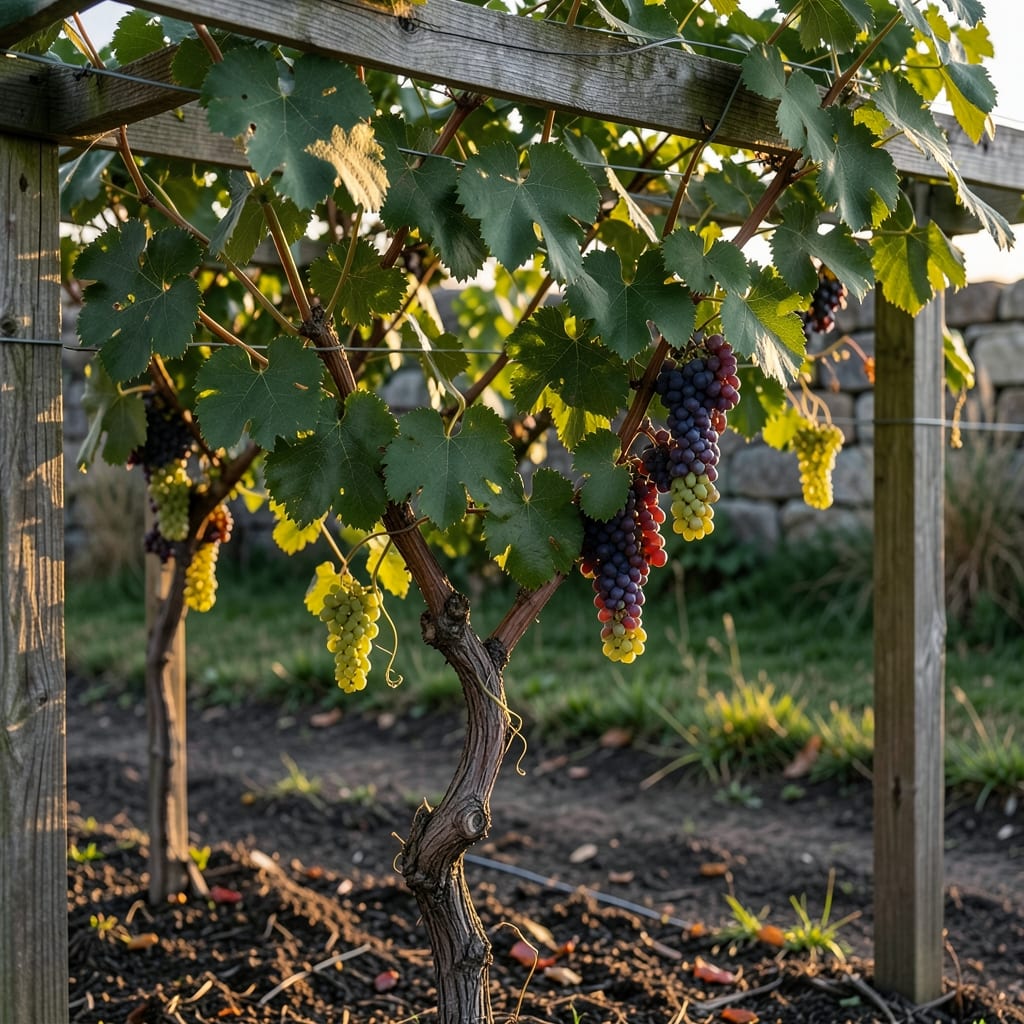
Grape vine height limits by variety: from compact to towering giants
Grape vines are famous for their dramatic growth—some varieties can stretch taller than a two-story house, while others stay neatly contained near 6 feet. The difference? Variety, training, and climate. Whether you're planning a backyard trellis or a sprawling vineyard, knowing your grapevine's potential height helps you design the perfect growing system. Let’s break down the height ranges of popular varieties and what influences their growth.
Most grapevines fall into three height categories: dwarf (under 6 ft), semi-dwarf (6-20 ft), and standard (20-60 ft). Dwarf varieties like Concord or Thompson Seedless are ideal for small gardens, while sprawling types like Cabernet Sauvignon or Chardonnay need robust trellises or arbors. Even within these categories, growth habits vary—some vines grow vertically with training, while others sprawl horizontally if left unchecked.
Here’s how grapevine heights compare across common varieties, along with their ideal growing conditions to maximize (or control) their size:
| Variety | Mature Height | Growth Habit | Best For |
|---|---|---|---|
| Concord | 6–12 ft | Semi-compact | Small gardens, trellises |
| Thompson Seedless | 8–15 ft | Moderate sprawl | Arbors, pergolas |
| Cabernet Sauvignon | 20–40 ft | Vigorous vertical | Trellises, large spaces |
| Muscadine | 15–30 ft | Sprawling | Warm climates, fences |
| Chardonnay | 20–50 ft | Tall vertical | Commercial trellises |
If you’re growing table grapes like Thompson Seedless, expect slower vertical growth but more horizontal sprawl. Wine grapes like Cabernet Sauvignon or Merlot grow taller and faster, requiring sturdy trellises or pruning to control their height. Even within the same variety, a vine’s height can double if given full sun and rich soil compared to shade or poor conditions.
For example, a Concord grapevine in a USDA Zone 5 garden might max out at 8 feet without pruning, while the same vine in Zone 8 could reach 12–15 feet with ideal care. This variability is why choosing the right variety for your climate—and training method—is critical. Next, we’ll cover how to train and prune grapevines to hit your desired height, whether that’s a 6-foot arbour or a 20-foot trellis.
Pro tip: Dwarfing rootstock (like 1103 Paulsen) can reduce vine height by 30–50%, making it a game-changer for small spaces. Just be aware that this may slightly delay fruit production. For most home gardeners, pruning in late winter is the easiest way to manage height year after year.
🍇
How to control grape vine height: trellis training & pruning techniques
Controlling the height of grape vines starts with the right support structures and pruning strategies. Without guidance, even compact varieties can sprawl wildly, while unchecked giants will dominate your landscape. The key is understanding how to train vines using trellises, espaliers, or cordon systems—each method shapes growth differently. For example, a 5-foot trellis can keep a muscadine vine at a manageable height, while an espalier system flattens vines against a wall, saving space.
Pruning is equally critical—it’s not just about cutting back overgrowth. When done correctly, pruning directs energy into fruit production and controls vine height. I recommend pruning grape vines in late winter (before buds swell) to remove old wood and shape the vine for the season. For sprawling varieties, you might prune back by 50-70% to encourage bushier growth, while compact varieties only need light trimming to maintain their shape.
Here’s how to get started with trellis training and pruning techniques for different grape vine heights:
Select a trellis based on your vine’s mature height. For compact varieties (6-12 ft), a simple 4-6 ft tall trellis works. For standard varieties (20-60 ft), opt for a 10-15 ft tall arbor or pergola.
Start training vines to their support structure in early spring by gently tying new shoots to the trellis wires. Use soft jute twine or plastic plant ties to avoid damaging the bark.
Remove suckers (shoots growing from the base or trunk) and water sprouts (vertical shoots) to focus energy on the main vine. Keep 2-4 main arms on the trellis for balanced growth.
Thin out excess fruit clusters in summer to improve air circulation and reduce vine stress. Aim for 1 cluster per 8-12 inches of vine for optimal yield and size control.
Cut back old canes to 2-3 buds from the base of the vine. This encourages new growth in spring and keeps the vine at your desired height.
Check vines monthly for uncontrolled growth or pests. Adjust pruning or trellis height as needed to maintain your target vine height.
One common mistake gardeners make is under-pruning, which leads to overgrowth and tangled vines. On the flip side, over-pruning can stress the plant and reduce fruit production. The goal is to strike a balance—keeping vines healthy, productive, and contained within your garden’s space. For example, if your 🍇 vines start climbing your roof, it’s a sign you need to prune sooner or invest in a taller trellis.
Pro tip: Use vertical trellises for tall varieties like Concord grapes (which can reach 20+ feet without training) and horizontal trellises for sprawling types like muscadines. This not only controls height but also improves fruit quality by maximizing sunlight exposure. With the right approach, you can enjoy 🍇 vines that fit your space—without sacrificing yield or beauty.