
How To
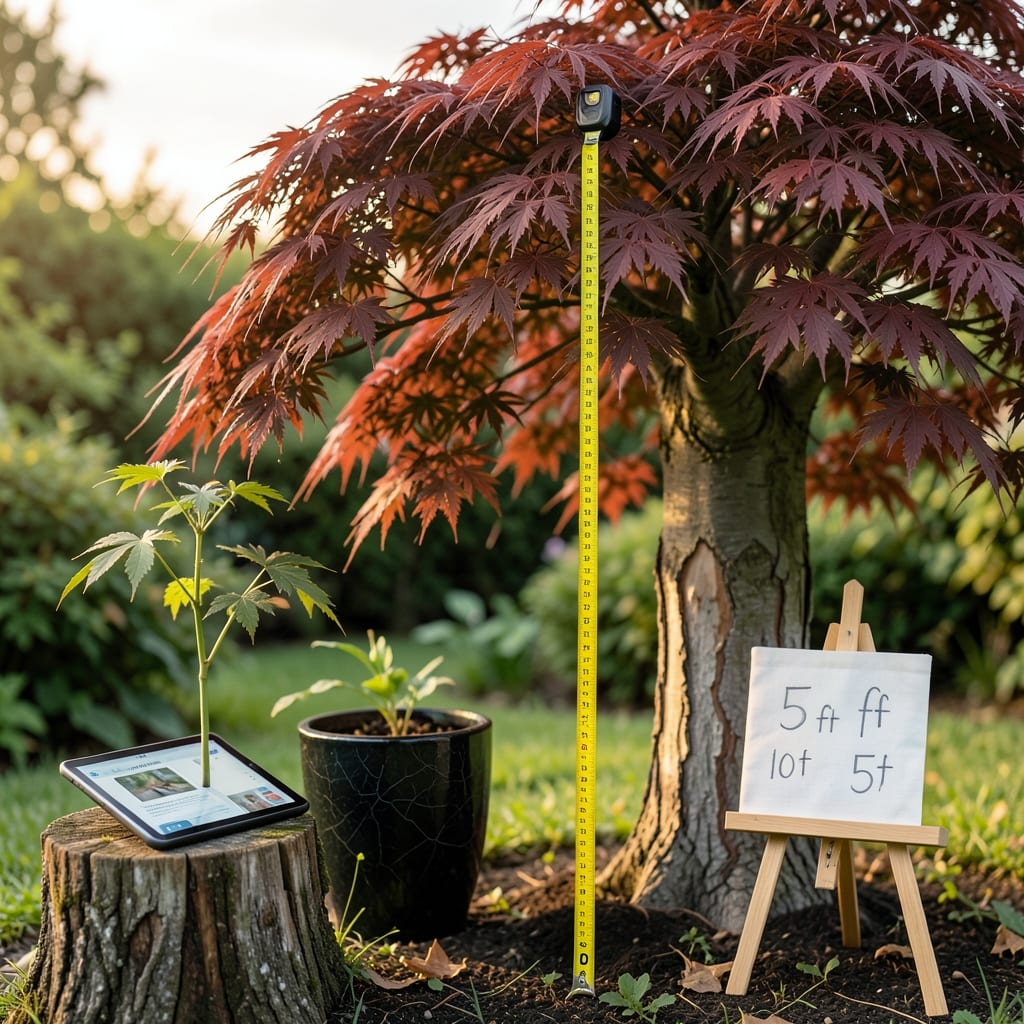
If you're dreaming of adding a Japanese Maple 🌿 to your garden, you might be wondering just how tall these stunning trees can grow. The answer isn't one-size-fits-all—some varieties stay as small as 6 feet, while others can soar to 30 feet or more, making them a true statement piece in any landscape.
What determines whether your Japanese Maple stays compact or reaches towering heights? The variety you choose plays a huge role, but factors like sunlight exposure, pruning habits, and even your local climate all influence how much space these trees will need as they mature. Understanding these variables is key to selecting the perfect fit for your garden's size and style.
For gardeners with limited space, there's good news—dwarf varieties exist that won't overwhelm your yard. Meanwhile, those with room to spare can enjoy the dramatic presence of larger specimens. I'll walk you through the height ranges of popular varieties and share practical tips to help you manage growth, whether you're aiming for a bonsai-like miniature or a grand centerpiece for your outdoor space.
Ready to transform your garden with a Japanese Maple? Let's explore how to choose the right size for your needs and keep it thriving for years to come. The right variety and care can make all the difference in achieving the perfect height and beauty for your landscape.

Japanese Maple height ranges by variety (dwarf to giant sizes)
Japanese maples offer an incredible range of sizes, from tiny dwarf varieties perfect for bonsai enthusiasts to towering standard trees that make bold garden statements. The height your tree reaches depends entirely on the cultivar you choose—some stay under 10 feet, while others can dwarf a two-story house at 30 feet or more.
For gardeners with limited space, dwarf varieties like 'Little Princess' or 'Tiny Wine' are ideal, reaching just 6-8 feet at maturity. These compact beauties bring all the stunning foliage and seasonal color without overwhelming your landscape. Meanwhile, standard varieties such as 'Bloodgood' or 'Emperor I' can grow 20-30 feet tall, making them perfect for large gardens or as focal points in park-like settings.
Even within these categories, growth rates vary. Most Japanese maples grow 6-12 inches per year when young, with slower growth as they mature. Understanding these growth patterns helps you plan for long-term spacing and maintenance needs. Let's explore the most popular varieties and their mature heights to help you make the best choice for your garden.
🌱
🌿 Japanese Maple Height Comparison
| Variety | Mature Height | Growth Rate | Best For |
|---|---|---|---|
| 'Little Princess' | 6-8 ft | 6-12 in/year | Small gardens, containers |
| 'Tiny Wine' | 8-10 ft | 8-10 in/year | Bonsai, urban yards |
| 'Crimson Queen' | 12-15 ft | 10-12 in/year | Medium gardens, focal points |
| 'Bloodgood' | 20-25 ft | 12-18 in/year | Large gardens, park settings |
| 'Emperor I' | 25-30 ft | 15-20 in/year | Mature landscapes, statement trees |
If you're working with a small urban garden, varieties like 'Little Princess' or 'Tiny Wine' are excellent choices. Their compact size allows you to enjoy all the beauty of a Japanese maple without sacrificing valuable space. These varieties also thrive in containers, making them perfect for patios or balconies where planting in the ground isn't an option.
For those with larger properties, taller varieties like 'Bloodgood' or 'Emperor I' create dramatic focal points. These trees develop a strong, upright form with vibrant fall colors that light up the landscape. Just be sure to give them plenty of room to grow—these giants need at least 20 feet of clearance from structures and other plants to prevent root competition and ensure healthy development.
When selecting a Japanese maple, consider not just height but also the tree's spread and growth habit. Some varieties grow wider than they do tall, while others maintain a more upright form. For example, 'Crimson Queen' has a rounded canopy that spreads nearly as wide as it grows tall, making it ideal for creating a balanced, lush look in medium-sized gardens.
🌳
Another factor to consider is how quickly your chosen variety will reach its mature height. While most Japanese maples grow at a moderate pace, some dwarf varieties can take 5-7 years to reach their full height, while larger varieties may take 10-15 years. This slow growth is one of the reasons Japanese maples are so prized—they offer long-term beauty without the rapid, unruly growth of some other trees.
If you're unsure which variety will work best in your space, start with a smaller specimen and observe how it grows before committing to a larger tree. Many nurseries offer container-grown Japanese maples at various sizes, allowing you to see the tree's mature form up close before planting. This hands-on approach can help you visualize how the tree will look in your garden over time.
Finally, remember that pruning and care play a significant role in managing height. Even dwarf varieties can grow taller than expected if not pruned regularly, while larger trees can be kept in check with strategic pruning. I'll cover these techniques in more detail in the next section, but for now, focus on selecting a variety that aligns with your garden's size and your long-term vision for its appearance.
Japanese Maple height ranges by variety (dwarf to giant sizes)
Japanese maples offer an incredible range of sizes, from miniature bonsai varieties perfect for tables to towering specimens that dominate large landscapes. The height you'll end up with depends entirely on the cultivar you choose, with some staying under 10 feet while others reach 30 feet or more. Understanding these differences is the first step to selecting the perfect tree for your space.
For gardeners with limited space, dwarf varieties like 'Crimson Queen' or 'Little Princess' are ideal, topping out at just 6-10 feet. These compact beauties are perfect for small yards, patios, or even large containers. Meanwhile, standard varieties like 'Bloodgood' or 'Emperor I' can grow 20-30 feet tall, making them stunning focal points for spacious gardens or parks.
🌱 Pro Tip: Always check the mature height range when selecting a Japanese Maple, as even "dwarf" varieties can occasionally exceed expectations in ideal growing conditions.
| Variety | Mature Height | Spread | Best For |
|---|---|---|---|
| 'Crimson Queen' | 6-10 ft | 4-6 ft | Small gardens, containers |
| 'Little Princess' | 8-12 ft | 5-7 ft | Patios, bonsai-style |
| 'Bloodgood' | 20-25 ft | 15-20 ft | Large landscapes |
| 'Emperor I' | 25-30 ft | 18-22 ft | Park-like settings |
| 'Shishigashira' | 10-15 ft | 8-12 ft | Medium yards |
Even within the same variety, growth rates can vary based on growing conditions. For example, a 'Bloodgood' Japanese Maple might grow 2-3 feet per year in optimal conditions, while a container-grown specimen could grow more slowly. Always account for potential growth spurts when planning your garden layout, especially if you're planting near structures or other plants.
If you're unsure about which size to choose, consider starting with a medium-sized variety like 'Shishigashira' (10-15 feet). These offer a balance between manageable size and dramatic presence, making them versatile for many garden settings. They also provide room for growth if you decide to prune them back in later years.
🌳 Remember that Japanese maples grow more slowly than many other trees, so their height increase will be gradual. This makes them easier to manage over time, especially if you're working with limited space or need to adjust your garden plan as the tree matures.