
Vegetables
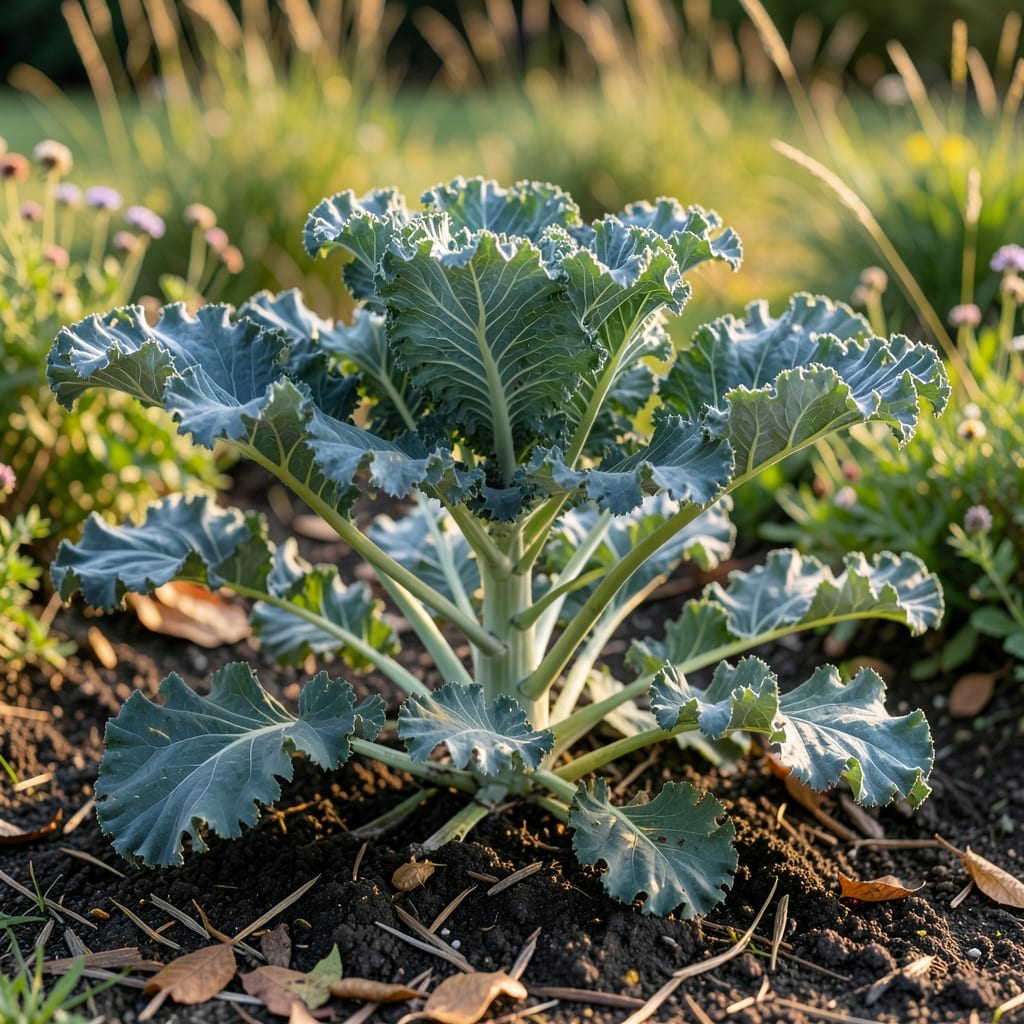
If you’ve ever glanced at your 🥬 kale plants and wondered just how tall they should grow—or if they’re stretching too high for your garden—you’re not alone. Kale’s height can vary wildly depending on the variety, care, and even your local climate, and getting it right means the difference between a lush harvest and a leggy disappointment.
The truth is, kale’s height isn’t one-size-fits-all. Some varieties, like the compact Dwarf Blue Curled, max out around 12–18 inches, while others, like Red Russian, can soar to 30+ inches if left unchecked. But here’s the game-changer: with the right pruning techniques and spacing, you can control its growth to fit your space and boost your yield.
In this guide, I’ll break down the exact height ranges for popular kale types, share proven pruning tricks to keep plants bushy (not towering), and reveal why your kale might be growing too tall—and how to fix it. Whether you’re working with a tiny balcony garden or a sprawling plot, you’ll learn how to grow kale that’s both productive and perfectly sized for your needs.
Ready to stop guessing and start growing? Let’s dive into the secrets of kale’s height potential—and how to harness it for your next harvest.


Kale height by variety: dwarf to giant growth ranges
Kale isn’t just one plant—it’s a family of varieties with dramatically different height ranges, from bushy dwarf types perfect for containers to tall, leafy giants that need space to stretch. Understanding these differences is key to choosing the right variety for your garden and managing expectations for harvest size.
The shortest kale varieties, like Dwarf Blue Curled or Lacinato (Dinosaur Kale), typically stay between 12–18 inches tall, making them ideal for small gardens, windowsills, or even hanging baskets. On the other end of the spectrum, varieties like Red Russian or Winterbor can reach 30+ inches when fully mature, especially in optimal growing conditions.
Climate plays a huge role in kale’s height. In cooler regions (USDA Zones 3–6), kale often grows taller and bushier because the slower growth rate encourages thicker stems and larger leaves. Meanwhile, in warmer climates (Zones 7–10), kale may bolt (flower prematurely) before reaching its full height, so choosing heat-tolerant varieties like Red Russian is essential.
Here’s the kicker: even within the same variety, height can vary by 10–15% based on soil quality, sunlight, and pruning habits. For example, a Winterbor kale plant in rich, well-drained soil with regular pruning might max out at 24 inches, while one in poor soil or shade could stay under 18 inches.
If you’re working with limited space, dwarf varieties are your best bet—but don’t overlook pruning techniques to control height in taller types. A well-pruned Red Russian can be kept under 24 inches while still producing a bountiful harvest.
Now, let’s compare the most popular kale varieties and their typical height ranges to help you pick the perfect fit for your garden:
| Variety | Mature Height | Best For | Notes |
|---|---|---|---|
| Dwarf Blue Curled | 12–18 inches | Containers, small gardens | Compact, cold-hardy, great for microgreens |
| Lacinato (Dinosaur Kale) | 18–24 inches | Salad bowls, cooking | Tender leaves, heat-tolerant, needs space |
| Red Russian | 24–36 inches | Large harvests, cold climates | Fast-growing, bolt-resistant, tall stems |
| Winterbor | 20–30 inches | Winter harvests, cold regions | Sweet flavor, slow to bolt, needs pruning |
| Vates (Blue Scotch) | 18–24 inches | Cold-hardy, long storage | Curly leaves, tough texture, slow grower |
| Dwarf Green Curled | 12–16 inches | Containers, urban gardens | Early maturing, heat-sensitive, small leaves |
When selecting a variety, consider your garden layout and harvest goals. For example, if you’re growing kale in raised beds, taller varieties like Red Russian can work if you space them 18–24 inches apart. But for container gardening, stick to dwarf types like Dwarf Blue Curled to avoid overcrowding.
Pro tip: If you love the flavor of a taller variety but lack space, try successive planting. Harvest the outer leaves of a Winterbor plant, then trim the stem back by half to encourage bushier regrowth. This trick can reset the plant’s height and extend your harvest season by 30–50%.
Remember, kale’s height isn’t just about aesthetics—it’s directly tied to yield and leaf quality. Taller plants often produce larger, more flavorful leaves, but they also require more support and nutrients to stay upright. Next, we’ll dive into pruning techniques to keep your kale at your ideal height while maximizing your harvest.
Pruning kale for height control: when and how to trim
Pruning isn’t just about keeping your 🥬 kale from looking wild—it’s the secret weapon for controlling height and boosting yield. When done right, pruning encourages kale to grow bushier, not taller, by redirecting energy to leaf production instead of stem elongation. The key is timing and technique, and I’ll walk you through both to keep your plants compact and productive.
Start pruning when your kale reaches about 6–8 inches tall. This is the ideal window to begin harvesting outer leaves without stressing the plant. Use a clean, sharp pair of pruning shears or scissors to make cuts just above a leaf node (the bump where leaves grow). This encourages new growth from that point, creating a fuller plant. Avoid cutting into the center stem, as this can weaken the plant.
Here’s the golden rule: Never remove more than one-third of the plant’s foliage at once. Over-pruning shocks kale and can lead to leggy regrowth or even bolting (when the plant flowers prematurely). Think of it like giving your kale a haircut—you want to shape it, not shave it bald. For container-grown kale, this technique is especially useful to prevent the plant from outgrowing its pot.
🌱 Step-by-Step Pruning Guide for Kale
- Step 1: Harvest Outer Leaves – Snip leaves from the outer edges first, leaving the inner leaves intact. Aim for leaves that are 6–8 inches long.
- Step 2: Cut Above Leaf Nodes – Make your cut ½ inch above a leaf node to encourage new growth.
- Step 3: Space Pruning Sessions – Wait 2–3 weeks between pruning sessions to allow regrowth.
- Step 4: Avoid the Center Stem – Never cut into the main stem; this can kill the plant.
- Step 5: Prune for Bushiness – If your kale is getting too tall, trim the top 2–3 inches of the stem to encourage side shoots.
Pruning also plays a critical role in preventing bolting, especially in warm climates. Kale plants detect heat and long daylight hours as a signal to flower and go to seed. By regularly harvesting leaves, you trick the plant into focusing on leaf production instead of flowering. This is particularly important for late-summer plantings, where temperatures can spike and trigger bolting.
Use pruned leaves immediately or store them in the fridge for up to 5–7 days. If you’re growing kale for winter harvests, pruning in early fall can help harden the plant and protect it from frost. Just be sure to cover young plants with row fabric or a lightweight blanket if temperatures dip below 20°F.
For container gardens, pruning is non-negotiable. Without regular trimming, kale can quickly outgrow its pot, leading to root-bound stress and poor growth. If you notice your kale becoming leggy or sparse, it’s a sign you’ve been pruning too late or not enough. Adjust your schedule to keep plants compact and lush, and you’ll enjoy a steady harvest all season long.