
Size
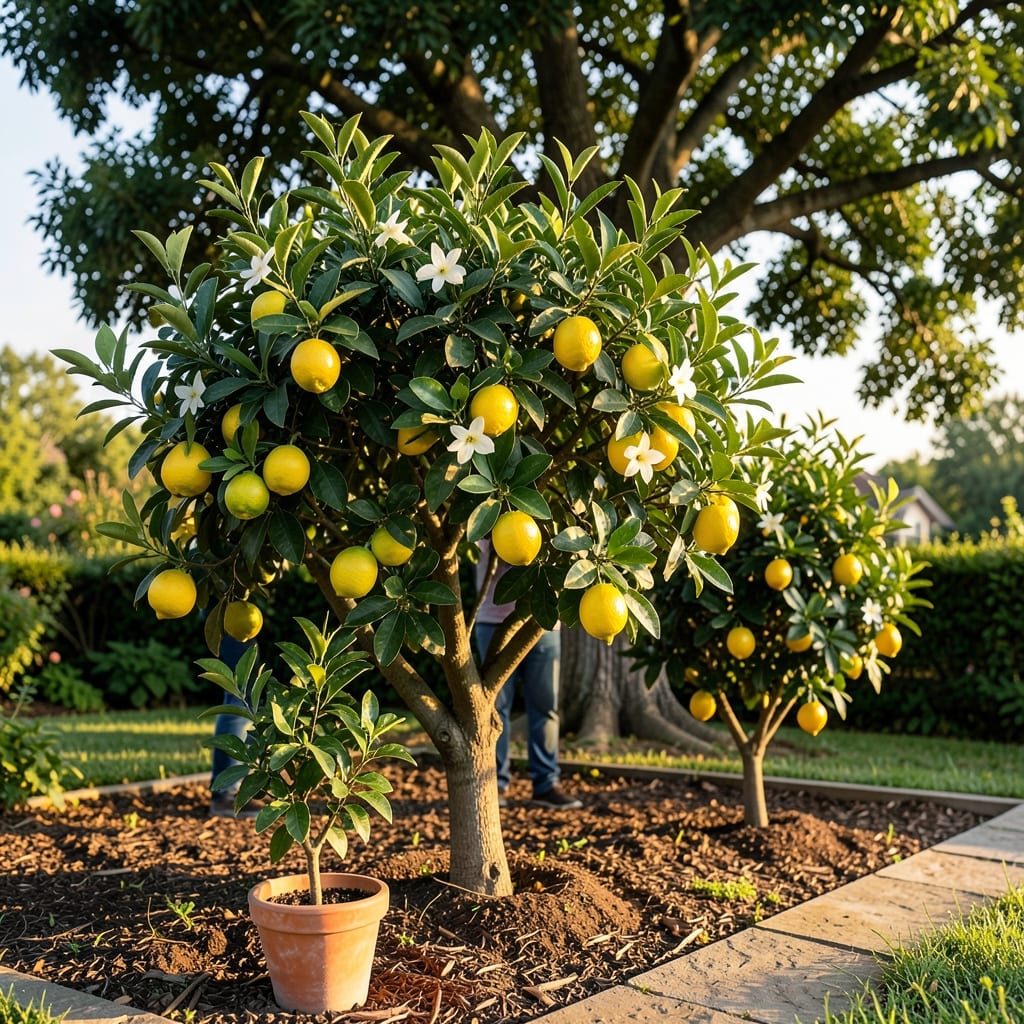
Lemon tree height variations: from dwarf to monumental sizes
Lemon trees can transform from a compact container plant to a 50-foot backyard giant, depending on the variety and growing conditions. Understanding these height variations helps you choose the right tree for your space—whether it’s a sunny patio or a sprawling orchard. The key? Genetics, pruning, and root space all play critical roles in determining how tall your lemon tree will grow.
Most home gardeners grow lemon trees between 8 and 25 feet tall, but with the right (or wrong) care, you could end up with a tree that’s either a bushy 6-foot dwarf or a 30-foot shade-providing giant. Even within the same variety, factors like container size, sunlight exposure, and pruning habits can drastically alter growth patterns. For example, a 'Meyer' lemon tree in a 15-gallon pot will stay under 6 feet, while the same tree planted in the ground could reach 12 feet in just a few years.
If you’re dreaming of a fruit-bearing lemon tree but lack space, dwarf varieties are your best bet. These trees are grafted onto dwarfing rootstock, which naturally limits their height while still producing abundant lemons. However, if you’re in a warm climate like Zone 10, even standard varieties can grow much taller—sometimes exceeding 30 feet—if left unpruned and unchecked.
Here’s a quick breakdown of what to expect from different lemon tree sizes, including their ideal growing conditions and best uses:
| Variety Type | Mature Height | Best For | Growing Conditions | Pruning Needs |
|---|---|---|---|---|
| Dwarf Varieties | 3–6 ft | Containers, patios, small balconies | Full sun, 15+ gallon pots, well-draining soil | Minimal (shape for aesthetics) |
| Semi-Dwarf Varieties | 8–12 ft | Backyards, small orchards, large containers | Full sun, in-ground or 30+ gallon pots | Light pruning to maintain shape |
| Standard Varieties | 15–25 ft | Large gardens, rural properties, shade trees | Full sun, deep soil, spacious root zone | Regular pruning to control height |
| Giant Varieties | 30–50+ ft | Orchards, tropical climates, windbreaks | Full sun, rich soil, no container limits | Aggressive pruning required |
For container-grown lemon trees, height is almost entirely controlled by pot size. A 15-gallon container will keep a dwarf variety under 6 feet, while a 50-gallon container might allow a semi-dwarf to reach 10 feet. The key is to upgrade pots gradually—never let roots circle the container, as this stunts growth and stresses the tree. In-ground trees, on the other hand, have no height limits unless pruned, making them ideal for tropical landscapes where space isn’t an issue.
Climate also plays a surprising role in height. In Zones 9–11, lemon trees grow faster and taller due to year-round warmth, while in Zone 6, growth slows dramatically in winter, keeping trees shorter unless you bring them indoors. Even within the same zone, microclimates matter: a tree in a sheltered, sunny spot will outpace one in a windy or shaded area. If you’re in a cooler zone, consider grafting onto cold-hardy rootstock like 'Flying Dragon' to encourage slower, more manageable growth.
One common misconception is that all lemon trees grow tall if left unpruned. While it’s true that some varieties can reach 50 feet, most home gardeners work with semi-dwarf or dwarf varieties for practicality. Even standard trees like 'Eureka' or 'Lisbon' can be kept under 15 feet with consistent pruning. The trade-off? Less height often means fewer lemons in the first few years, as the tree focuses energy on establishing roots rather than fruiting.
If you’re torn between a tall, productive tree and a compact, easy-to-care-for dwarf, consider your priorities: fruit yield vs. space efficiency. For example, a 12-foot semi-dwarf will produce more lemons than a 5-foot dwarf, but the dwarf requires less maintenance and fits in tighter spaces. My personal recommendation? Start with a 'Improved Meyer' in a 20-gallon pot—it’s versatile, productive, and can be moved indoors in winter if needed.
No matter which size you choose, remember that pruning is your best tool for controlling height. Even a 30-foot giant can be shaped into a manageable size with regular trimming, while a 6-foot dwarf can be encouraged to grow taller by upgrading its container. The beauty of lemon trees is their adaptability—with the right care, you can grow them almost anywhere, from a city balcony to a rural orchard.
How to control lemon tree height: pruning, grafting, and growth tips
Controlling your lemon tree’s height isn’t just about aesthetics—it’s about maximizing fruit production, easing maintenance, and ensuring the tree thrives in your space. Whether you’re dealing with a 6-foot dwarf or a 20-foot standard variety, the right techniques can keep your lemon tree at your desired height while keeping it healthy and productive. The key lies in pruning, grafting, and container management, all tailored to your tree’s variety and growing conditions.
Pruning is the most common method to manage height, but timing and technique make all the difference. For example, summer pruning encourages new growth and fruit production, while winter pruning helps shape the tree for the next season. If you’re growing a lemon tree in a container, pruning is even more critical—roots circling the pot can stunt growth and lead to root-bound stress. The goal? Encourage outward growth while controlling vertical expansion.
Here’s a step-by-step guide to managing your lemon tree’s height, whether you’re aiming for a compact patio tree or a manageable backyard specimen. These techniques work for both container-grown and in-ground trees, so you can adapt them to your setup:
-
Step 1: Choose the Right Tools
Use sterilized pruning shears for small branches and a pruning saw for thicker limbs. Always clean tools with rubbing alcohol to prevent disease spread. -
Step 2: Prune at the Right Time
Summer (June-August): Prune to encourage new growth and fruit production. Remove suckers (shoots growing from the base) and dead or crossing branches. Winter (December-February): Prune to shape the tree and remove weak or damaged limbs. Avoid heavy pruning in late winter, as new growth may be damaged by frost. -
Step 3: Focus on Structural Pruning
Remove 1/3 of the tree’s height in young trees to encourage a strong, open canopy. For mature trees, prune to maintain an 8-10 foot height if space is limited. Always cut just above a leaf node or bud to promote new growth. -
Step 4: Use the "Open Center" Method
Prune to create an open center with branches spaced evenly around the trunk. This improves air circulation and sunlight penetration, reducing disease risk and boosting fruit production. Aim for a rounded, bushy shape rather than a tall, narrow tree. -
Step 5: Graft for Dwarf Varieties
If you want a compact lemon tree but love the flavor of a standard variety, graft your favorite scion (e.g., 'Eureka' or 'Lisbon') onto dwarfing rootstock like 'Flying Dragon' or 'Swingle Citrumelo'. This combines the best of both worlds: small size + high-quality fruit. -
Step 6: Upgrade Containers Gradually
If growing in a pot, upgrade container size every 2-3 years to accommodate root growth. A 15-gallon pot keeps dwarf varieties under 6 feet, while a 50-gallon pot allows semi-dwarfs to reach 10-12 feet. Always use pots with drainage holes and a well-draining citrus mix. -
Step 7: Fertilize for Controlled Growth
Use a balanced citrus fertilizer (6-6-6 or 8-3-9) to encourage healthy, controlled growth. Avoid over-fertilizing with nitrogen, which can lead to excessive foliage at the expense of fruit. Apply fertilizer in early spring and summer, and reduce in fall and winter.
Pruning isn’t just about cutting branches—it’s about understanding your tree’s growth habits. For example, lemon trees grown in Zones 9–11 may need more frequent pruning to control height due to their faster growth rate. In contrast, trees in Zone 6 benefit from light winter pruning to protect new growth from frost. If you’re unsure where to start, begin with light pruning in early summer to remove any dead, diseased, or crossing branches, then adjust based on how the tree responds.
Another pro tip: Topping your lemon tree (cutting the main stem to encourage bushier growth) can be effective, but it should be done sparingly. Over-topping can stress the tree and reduce fruit production. Instead, focus on selective pruning to shape the tree while maintaining its natural form. For instance, if you’re growing a 'Meyer' lemon tree in a 20-gallon pot, aim to keep it under 8 feet by pruning new vertical shoots as they appear.
One of the biggest mistakes gardeners make is pruning too late in the season, which can leave the tree vulnerable to frost damage or disease. Always prune before new growth begins in spring or during the active growing season in summer. If you’re growing your lemon tree in a container, remember that root-bound trees grow slower but may produce fewer lemons. To encourage both height control and fruit production, repot your tree every 2-3 years and prune aggressively in early summer to stimulate new growth.
Finally, don’t underestimate the power of grafting if you’re serious about controlling height. Grafting a standard variety onto dwarfing rootstock is like giving your lemon tree a built-in growth limiter. This method is especially useful if you love the fruit of a tall-growing variety but don’t have the space. For example, grafting 'Eureka' lemons onto 'Flying Dragon' rootstock can result in a tree that stays under 10 feet while still producing high-quality fruit. Just be prepared for a learning curve—grafting requires precision, but the results are worth it for serious citrus enthusiasts.
With the right techniques, you can keep your lemon tree at the perfect height for your space—whether that’s a 6-foot patio tree or a 12-foot backyard beauty. The key is consistency: prune regularly, upgrade containers as needed, and graft if you want a specific size. Soon, you’ll have a lemon tree that’s not only the perfect height but also bursting with fruit