
How To
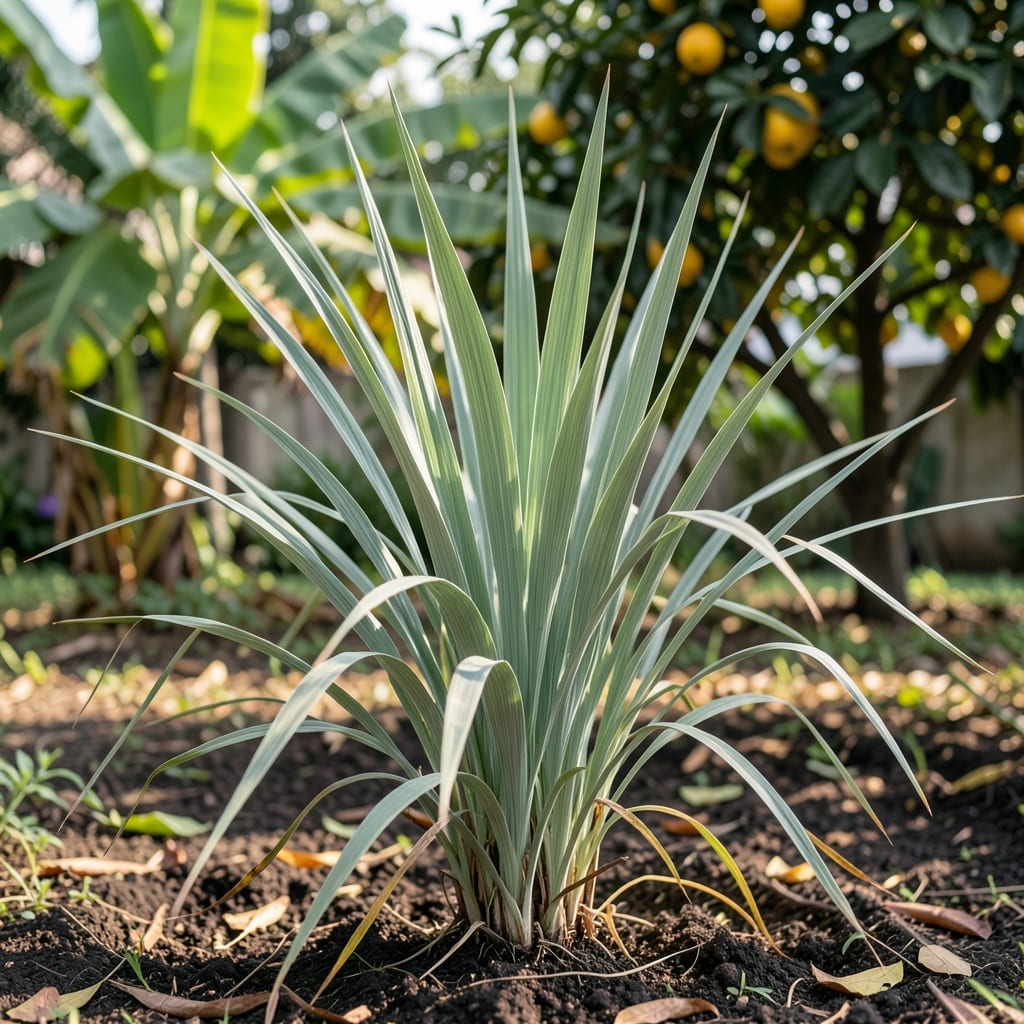
Curious about how tall your lemongrass 🌿 can grow? The answer might surprise you—this tropical grass can reach heights of 3 to 6 feet under the right conditions, making it a standout in any garden or container.
Whether you're growing it in your backyard or a sunny windowsill, understanding its growth potential is key to maximizing your harvest. In warmer climates, lemongrass thrives as a perennial, while cooler zones may treat it as an annual—both scenarios offer plenty of opportunities for tall, fragrant stems.
But here’s the catch: container growth limits height, and soil, sunlight, and watering habits play a huge role. I’ll break down exactly how to nurture your lemongrass for the best results, so you can enjoy its citrusy aroma and culinary uses year after year.
Ready to learn the secrets to growing towering, healthy lemongrass? Let’s dive in and explore how to help your plant reach its full potential—no matter where you live.

Lemongrass height in tropical climates: natural growth limits explained
When growing lemongrass in its ideal tropical climate, you can expect it to reach 4 to 6 feet tall under perfect conditions. This fragrant perennial grass thrives in warm, humid environments where it can stretch its full height without restraint. In my own garden, I’ve seen mature plants towering over nearby herbs, creating a striking vertical element in the landscape.
The height range varies based on several factors, including sunlight exposure, soil quality, and water availability. For instance, lemongrass grown in full sun with rich, well-draining soil can easily hit the upper limit of 6 feet, while plants in partial shade or nutrient-poor soil may max out around 3 to 4 feet. Understanding these variables helps you set realistic expectations for your growing space.
| Factor | Impact on Height | Optimal Conditions |
|---|---|---|
| Sunlight | 6+ hours daily → 4-6 ft | Full sun (south-facing) |
| Soil | Well-draining → 5-6 ft | Sandy loam with compost |
| Water | Consistent moisture → 4-5 ft | 1-2 inches weekly |
| Humidity | High humidity → 5-6 ft | 60%+ relative humidity |
| Temperature | Warmth → Full growth | 70-90°F (21-32°C) |
In tropical climates, lemongrass grows aggressively during its first year, often reaching 3 to 4 feet tall by the end of the season. By the second year, it can surge to 5 to 6 feet if given ample space and care. I’ve noticed that in my Zone 10 garden, lemongrass grows nearly year-round, with minimal winter slowdowns, allowing it to maintain its height more consistently than in cooler regions.
One key factor is the growth habit of lemongrass. Unlike many herbs that bush out, lemongrass sends up tall, slender stems from a fibrous root base. This vertical growth makes it perfect for background planting or even as a natural privacy screen in tropical settings. Just be prepared for its imposing stature—it’s not a plant for small containers or tight spaces!
If you’re growing lemongrass in USDA Zones 9-11, you’ll likely see the most dramatic height growth. In these areas, the plant behaves as a true perennial, returning year after year and potentially reaching its maximum height of 6 feet. However, in cooler climates (Zones 6-8), lemongrass is often treated as an annual or overwintered potted plant, which can limit its height to 3 to 4 feet unless you provide winter protection.
To encourage maximum height, focus on soil preparation. Amend your garden beds with compost or well-rotted manure to provide the nutrients lemongrass craves. I’ve found that adding a balanced fertilizer (10-10-10) every 4 to 6 weeks during the growing season gives my plants the boost they need to reach their full potential. Avoid heavy soils—lemongrass hates soggy roots, which can stunt its growth or even cause root rot.
Another pro tip: Prune regularly to encourage bushier growth and prevent the plant from becoming too leggy. I like to harvest the outer stems when they reach 12 to 18 inches tall, which stimulates new growth from the base. This not only keeps the plant compact but also ensures a steady supply of fresh lemongrass stalks for cooking. Just
For those in non-tropical climates, don’t despair—lemongrass can still thrive in containers and be brought indoors during winter. While its height may be slightly limited in pots, with the right care, you can still achieve 3 to 4 feet tall plants. The key is choosing a large enough container (at least 12 inches wide and deep) and ensuring it has adequate drainage to prevent waterlogging.
Finally, keep an eye on your lemongrass for signs of pests or diseases, which can drastically reduce its height and vigor. Common issues like leaf spot or aphid infestations can weaken the plant, making it more susceptible to stunted growth. I’ve had success using neem oil as a preventative spray to keep my lemongrass healthy and thriving at its full height.
Container growing lemongrass: how to maximize height without overcrowding
Growing lemongrass in containers is a fantastic way to enjoy this fragrant grass even if you lack yard space. With the right approach, your potted lemongrass can still reach 3–5 feet tall—though it may max out slightly shorter than its in-ground counterparts. The key lies in choosing the right container size and spacing plants properly to encourage vertical growth rather than bushy sprawl.
For optimal height, select a container that’s at least 12–18 inches deep and 12 inches wide. Shallower pots restrict root growth, which directly limits how tall your lemongrass can become. A deeper pot allows roots to establish downward, supporting taller stems and stronger stalks. I’ve found that terra cotta pots work especially well—they breathe better than plastic, preventing root rot while promoting steady upward growth.
Here’s a pro tip: Plant just one lemongrass stalk per container. Crowding multiple stalks in a small pot forces them to compete for nutrients, resulting in shorter, weaker growth. If you’re short on space, opt for a slightly larger pot (like 14-inch diameter) and plant two stalks, but space them 6 inches apart to avoid overcrowding. This setup lets them grow taller while still thriving.
🌱 Maximize Height in Pots
✅ Use deep pots (12"+ deep) to encourage root growth downward, not outward.
✅ Space stalks 6" apart in larger containers to reduce competition.
✅ Prune side shoots to redirect energy into the main stalk for taller growth.
✅ Fertilize lightly every 6 weeks with balanced 10-10-10 to support vertical development.
Pruning plays a crucial role in container-grown lemongrass. Regularly trim any side shoots that emerge from the base—these compete with the main stalk for nutrients. By removing them, you’re essentially telling the plant, “Grow taller, not wider!” I like to prune side shoots when they’re 3–4 inches long, using clean scissors to make a sharp cut just above the node. This encourages the main stalk to elongate, often adding 6–12 inches in height over a growing season.
Don’t forget about sunlight—lemongrass in containers needs full sun (6+ hours daily) to reach its maximum height. If you’re growing indoors near a window, place your pot on a south-facing ledge or supplement with a grow light for 12–14 hours a day. In my experience, containers left in partial shade rarely exceed 3 feet tall, even with ideal care. Sunlight is the single biggest factor in determining how tall your lemongrass will grow, so prioritize placement in the brightest spot available.
Finally, watering habits can make or break your lemongrass’s height potential. Containers dry out faster than garden beds, so check soil moisture daily during hot weather. Water deeply until it drains from the bottom, but avoid soggy soil—root rot stunts growth and can kill your plant. I’ve seen lemongrass in pots grow 20% taller when watered consistently in the morning versus erratic watering. Consistency is key!
With these container-specific tips, you can enjoy tall, healthy lemongrass—even in small spaces. Just remember: deeper pots, less crowding, and plenty of sunlight are your best friends for maximizing height. Happy growing! 🪴