
How To
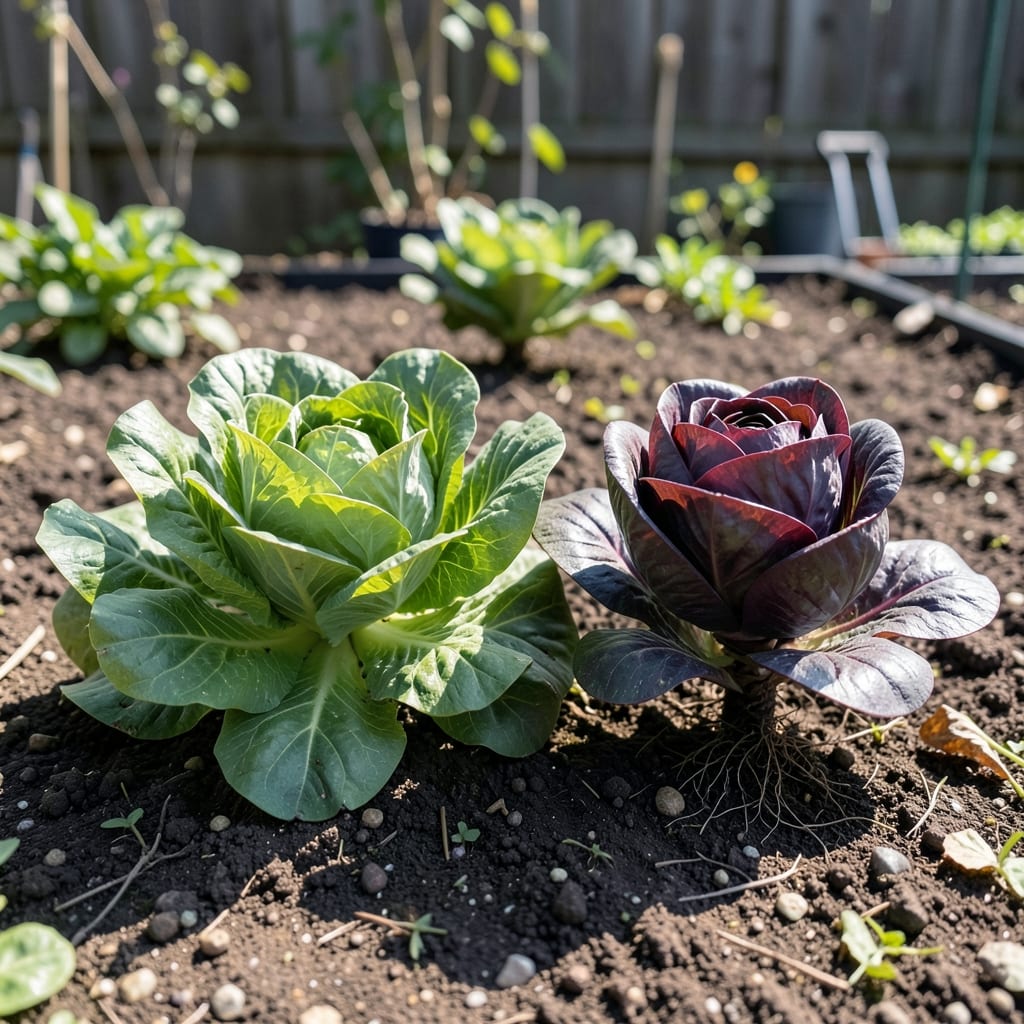
If you’ve ever stared at your 🥬 lettuce and wondered how tall lettuce can grow, you’re asking the right question. The answer isn’t just about the plant—it’s about the variety, your growing conditions, and a few simple tricks that can make all the difference. Whether you’re dreaming of towering romaine for sandwiches or prefer delicate leaf lettuce for salads, understanding height ranges helps you plan for success.
Most home gardeners assume lettuce stays short, but some varieties can grow up to 18 inches tall under ideal conditions. Leaf lettuce typically stays between 6 and 12 inches, while romaine can stretch toward the 1.5-foot mark. The key? Sunlight, spacing, and timing—because letting your lettuce get too tall often means it’s on its way to bolting, or going to seed, which ruins that crisp texture we all love.
In this guide, I’ll break down the height differences between popular lettuce types and share practical tips to control growth. You’ll learn when to harvest for maximum flavor, how to prevent leggy plants, and even how to use height to your advantage—like turning tall varieties into natural trellises for other crops. Ready to grow lettuce that’s just the right size?
Let’s dive into the surprising world of lettuce heights and the simple strategies that’ll keep your garden thriving—no matter what variety you’re growing.

Lettuce height by variety: from tiny salad greens to towering stalks
When it comes to lettuce height, one size definitely doesn’t fit all. The variety you choose determines whether you’ll end up with a compact salad bowl or a towering sandwich base. Leaf lettuce, like Buttercrunch or Black Seeded Simpson, typically stays between 6 and 12 inches tall, perfect for quick salads. These varieties focus on leaf production rather than height, making them ideal for cut-and-come-again harvesting.
On the other end of the spectrum, romaine lettuce varieties like Cos or Parris Island can reach 12 to 18 inches tall. Their upright growth habit makes them a favorite for sandwiches and wraps, but they require more space and careful monitoring to prevent bolting. Butterhead lettuce, such as Bibb or Boston, usually tops out around 8 to 12 inches, offering a balance between height and spread.
Don’t overlook loose-leaf varieties like Oakleaf or Lollo Rossa, which stay 6 to 10 inches tall but produce a bountiful harvest of individual leaves. These are perfect for gardeners with limited space or those who want to extend their harvest season. Heirloom varieties, such as Jericho or Tom Thumb, often defy expectations with unique growth patterns—some stay under 6 inches while others surprise you with 12-inch stalks.
Understanding these height differences helps you plan your garden layout. For example, tall romaine needs 12 to 18 inches of spacing between plants, while compact leaf lettuce can thrive just 6 inches apart. This spacing ensures each plant gets enough sunlight and nutrients to reach its full potential without competing with neighbors.
Now, let’s talk about the ideal harvest window for each type. Leaf lettuce is often ready in 30 to 45 days, while romaine and butterhead varieties take 45 to 60 days to mature. Harvesting at the right time is key—wait too long, and your lettuce will bolt, turning bitter and woody. But harvest too early, and you’ll miss out on the full flavor and texture.
| Variety | Mature Height | Growth Habit | Harvest Time |
|---|---|---|---|
| Leaf Lettuce (e.g., Black Seeded Simpson) | 6-12 inches | Compact, spreading | 30-45 days |
| Romaine (e.g., Cos) | 12-18 inches | Tall, upright | 45-60 days |
| Butterhead (e.g., Bibb) | 8-12 inches | Medium, rounded | 40-50 days |
| Loose-Leaf (e.g., Oakleaf) | 6-10 inches | Low, spreading | 30-50 days |
| Heirloom (e.g., Jericho) | 6-12 inches | Variable | 35-60 days |
If you’re growing lettuce in containers or small spaces, opt for dwarf varieties like Tom Thumb, which stays under 6 inches tall. These are perfect for balcony gardens or windowsill setups where space is limited. Even in these compact varieties, proper light exposure and watering are critical to prevent leggy growth.
For gardeners who love experimenting with heirloom varieties, consider Pascual’s Dark Green or Winter Density. These can reach 12 to 15 inches tall and offer unique flavors and textures. Just be prepared to provide extra care to keep them from bolting prematurely, especially in hot summer conditions.
One of the biggest mistakes I see is assuming all lettuce grows the same way. Romaine and leaf lettuce have completely different growth patterns, and treating them alike can lead to disappointment. For example, planting tall romaine too close together will stunt their growth, while spreading leaf lettuce too far apart wastes valuable garden space. Always check the seed packet recommendations for spacing guidelines.
Finally,
Lettuce height by variety: from tiny salad greens to towering stalks
When you picture lettuce in your garden, you might imagine a modest, leafy plant perfect for salads. But the truth is, lettuce varieties can range from dwarf varieties under 6 inches to romaine towers reaching 18 inches. The key difference? Genetics and growing conditions. Leaf lettuce stays compact, while romaine and butterhead varieties grow taller, often forming distinctive heads or elongated stalks.
Understanding these height differences helps you choose the right variety for your space. For example, loose-leaf lettuce like 'Black Seeded Simpson' stays under 12 inches, making it ideal for containers or small gardens. Meanwhile, romaine varieties like 'Cos' or 'Parris Island' can stretch toward the sky, perfect for sandwiches or vertical gardens. Even butterhead lettuce, like 'Buttercrunch,' grows taller than leaf varieties but still stays under 12 inches.
Here’s the breakdown of how tall different lettuce types typically grow—and when to harvest them for the best flavor:
| Variety | Mature Height | Growth Habit | Harvest Time |
|---|---|---|---|
| Leaf Lettuce (e.g., 'Black Seeded Simpson') | 6–12 inches | Compact, bushy | 30–45 days |
| Romaine (e.g., 'Cos') | 12–18 inches | Tall, upright stalks | 50–60 days |
| Butterhead (e.g., 'Buttercrunch') | 8–12 inches | Soft, rounded heads | 45–55 days |
| Loose-Leaf (e.g., 'Oakleaf') | 6–10 inches | Spreading, multi-leafed | 35–50 days |
| Heirloom (e.g., 'Jericho') | 10–16 inches | Tall, heat-tolerant | 50–70 days |
If you’re growing lettuce for salads, leaf varieties are your best bet—they’re quick to mature and can be harvested repeatedly. For sandwiches or wraps, romaine’s height gives you those long, sturdy leaves. And if you’re experimenting, heirloom varieties like 'Jericho' can surprise you with their heat tolerance and towering growth, often reaching 16 inches.
Pro tip: The taller the variety, the more sunlight it needs. Romaine and heirlooms thrive with 6+ hours of sun daily, while leaf lettuce can handle partial shade. Overcrowding also forces plants to stretch upward, so space them 8–12 inches apart for optimal growth. This simple trick keeps your lettuce compact and flavorful.
Now that you know the height ranges, you can pick varieties that fit your garden’s layout—and avoid the heartbreak of bolting lettuce that’s grown too tall. Next, let’s tackle why lettuce sometimes stretches toward the sky and how to keep it at the perfect height for harvesting.