
Size
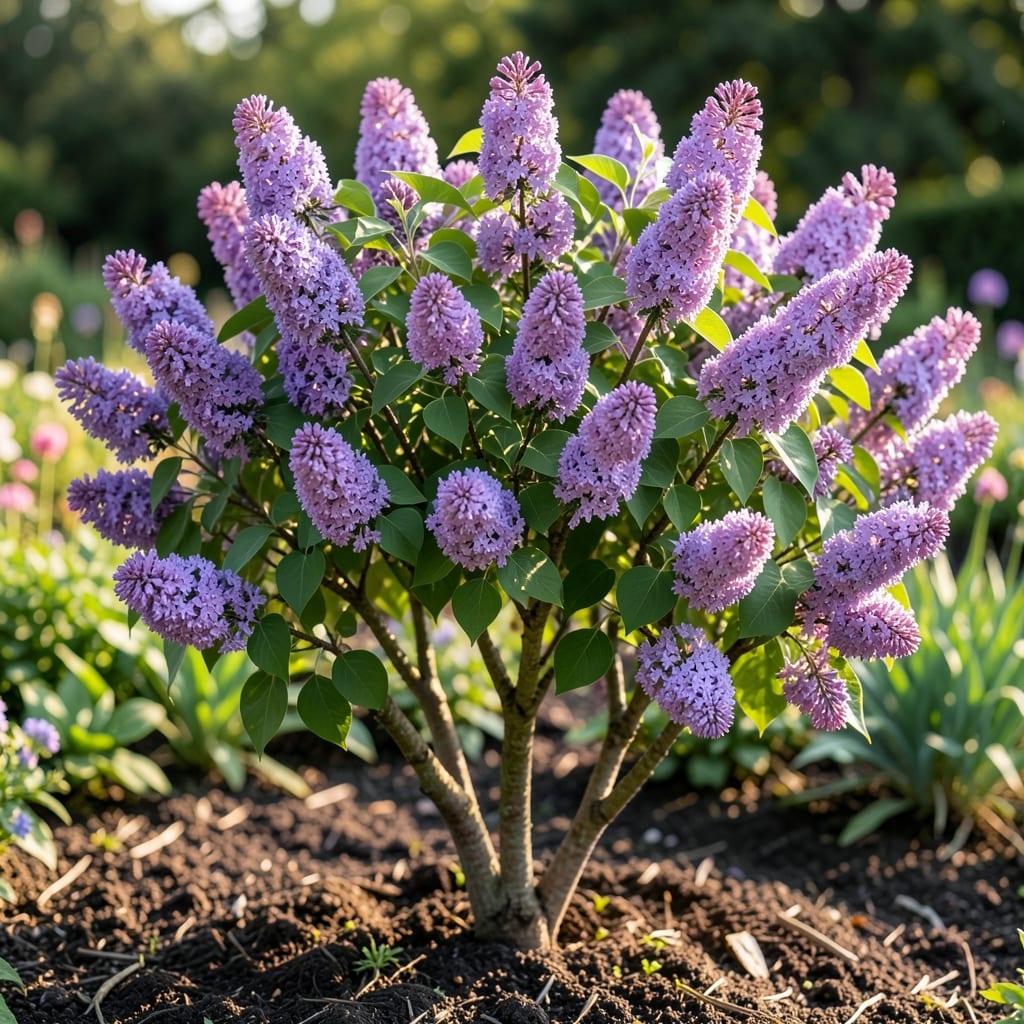
Wondering how tall can lilacs grow before they become a backyard giant? The answer might surprise you—these fragrant 🌸 shrubs can range from compact 3-foot wonders to towering 15-foot giants, depending on the variety you choose.
If you're planning your garden layout in USDA Zone 6a, knowing the right size matters. Some lilacs stay small enough for foundation plantings, while others need room to stretch their branches wide. The key to managing their height lies in selecting the perfect variety for your space and learning a few simple pruning tricks.
In this guide, I’ll break down the height differences between dwarf, standard, and giant lilacs, so you can pick the perfect fit for your yard. Whether you’re dreaming of a fragrant hedge or a bold statement shrub, you’ll find the ideal match—and discover how to keep them looking their best year after year.
Ready to transform your garden with these versatile plants? Let’s dive into the details so you can plant with confidence and enjoy their beauty without the worry of overgrowth.

Lilac height by variety: from dwarf to giant shrubs
When planning your garden, knowing how tall can lilacs grow helps you choose the perfect variety for your space. Lilacs typically reach heights between 6 to 15 feet at maturity, but their growth habits vary widely depending on the type. Dwarf varieties stay under 6 feet, making them ideal for small gardens, while standard and giant types can soar to 12–15 feet, perfect for bold landscape statements.
Your choice of lilac variety directly impacts your garden’s layout. A dwarf lilac fits snugly in a foundation planting or near patios, while a tall lilac thrives as a focal point in larger yards. Below, I’ve organized the most popular varieties by height, along with their growth habits and spacing needs to help you plan with confidence.
🌸 Visual Comparison Table
| Variety | Mature Height | Growth Habit | Spacing Needs |
|---|---|---|---|
| Dwarf Korean Lilac | 3–4 ft | Compact, rounded | 3–4 ft apart |
| Minnesota Snowflake | 6–8 ft | Upright, multi-stemmed | 5–6 ft apart |
| President Lincoln | 10–12 ft | Tall, vase-shaped | 8–10 ft apart |
| Katherine Havemeyer | 12–15 ft | Large, pyramidal | 10–12 ft apart |
| Miss Kim Lilac | 4–6 ft | Dense, bushy | 3–4 ft apart |
The Dwarf Korean Lilac and Miss Kim Lilac are perfect for small gardens or container planting, while the President Lincoln and Katherine Havemeyer varieties make stunning focal points in larger landscapes. If you’re working with limited space but still want that classic lilac fragrance, the Minnesota Snowflake offers a great middle-ground height of 6–8 feet.
Proper spacing is key to allowing lilacs to grow without overcrowding. For example, a 10-foot-tall lilac like President Lincoln needs at least 8 feet of clearance on all sides to avoid shading out nearby plants. Always check the variety’s mature height and spread before planting to ensure your garden layout accommodates their full growth potential.
Another factor to consider is the growth rate of lilacs. In their first year, lilacs typically grow just 1–2 feet, but by year three, they can reach 6–8 feet. This rapid growth means you’ll see noticeable changes in height within just a few seasons, so plan accordingly if you’re adding them to a newly designed space.
For gardeners in USDA Zone 6a, where lilacs thrive, selecting the right variety based on height ensures your plants will flourish without becoming overwhelming. Whether you’re aiming for a fragrant hedge or a show-stopping specimen, the variety you choose will determine how much space your lilacs occupy—and how much they enhance your garden’s beauty.
If you’re unsure which variety to pick, consider your garden’s sunlight exposure and soil drainage. Lilacs prefer full sun (6+ hours daily) and well-draining soil to prevent root rot. Once established, they’re drought-tolerant, but younger plants benefit from consistent watering to support their rapid growth.
Ready to add lilacs to your garden? Start by measuring your space and choosing a variety that matches your vision—whether it’s a compact lilac for a cozy corner or a towering giant for a grand entrance. With the right variety and proper spacing, you’ll enjoy their fragrant blooms for decades to come.
How to control lilac height: pruning tips for compact growth
Once you’ve chosen your lilac variety, managing its height becomes the next key step. Even the tallest lilacs (like Katherine Havemeyer) can be pruned to stay within your desired space. The secret lies in timing and technique—pruning at the wrong time can actually encourage leggy growth or reduce next year’s blooms. I’ve pruned lilacs for years, and I’ve learned that a little effort in early spring goes a long way toward keeping them compact and healthy.
For most lilacs, the best time to prune is late winter or early spring, just as buds begin to swell but before new growth starts. This timing ensures you don’t accidentally cut off next year’s flower buds, which form on old wood. If you prune too late in spring, you risk removing potential blooms. For dwarf varieties like Miss Kim Lilac, light pruning after flowering can help maintain their shape without sacrificing next year’s flowers.
🌿 Step-by-Step Pruning Guide
- Step 1: Remove Dead or Weak Wood
Start by cutting out any dead, diseased, or crossing branches at the base. This improves airflow and reduces pests.
- Step 2: Thin Out Dense Areas
Look for areas where branches are too crowded. Remove 1/3 of the oldest stems to rejuvenate the shrub and encourage new growth.
- Step 3: Shape the Shrub
Use hand pruners to trim back overlong branches by about 1/3 of their length. Focus on maintaining a rounded or vase shape for a natural look.
- Step 4: Clean Up After Flowering
Once blooms fade, cut back spent flower stalks to the nearest leaf or bud. This keeps the shrub tidy and redirects energy to next year’s blooms.
If your lilac has grown taller than you’d like, you can reduce its height gradually over a few years. Never cut back more than 1/3 of the plant’s height in a single year, as this can shock the shrub. For example, if your 12-foot lilac needs to be 8 feet tall, trim it back by 2–3 feet per year until you reach your goal. This approach prevents stress and ensures the plant recovers well.
Another pro tip: Use sharp, clean pruners to make clean cuts at a 45-degree angle, about 1/4 inch above a leaf or bud. Ragged cuts can invite disease, and cutting too close to a bud can damage new growth. For larger branches, use loppers or a pruning saw to avoid tearing the bark. Always disinfect your tools between cuts to prevent the spread of bacteria or fungi.
For container-grown lilacs, pruning is even more critical since space is limited. Dwarf varieties like Dwarf Korean Lilac can be pruned twice a year: once in late winter for shaping and again after flowering to control size. Just remember, less is more—over-pruning can weaken the plant and reduce its blooming potential. With the right technique, even a 15-foot lilac can be coaxed into a more manageable size without sacrificing its beauty.
Pruning isn’t just about controlling height—it’s also about encouraging healthier growth and longer bloom times. When done correctly, your lilacs will reward you with vibrant flowers and a neat, tidy appearance for years to come. So grab your pruners, follow these steps, and enjoy a lilac that fits perfectly in your garden—no matter how big or small your space may be.