
Size
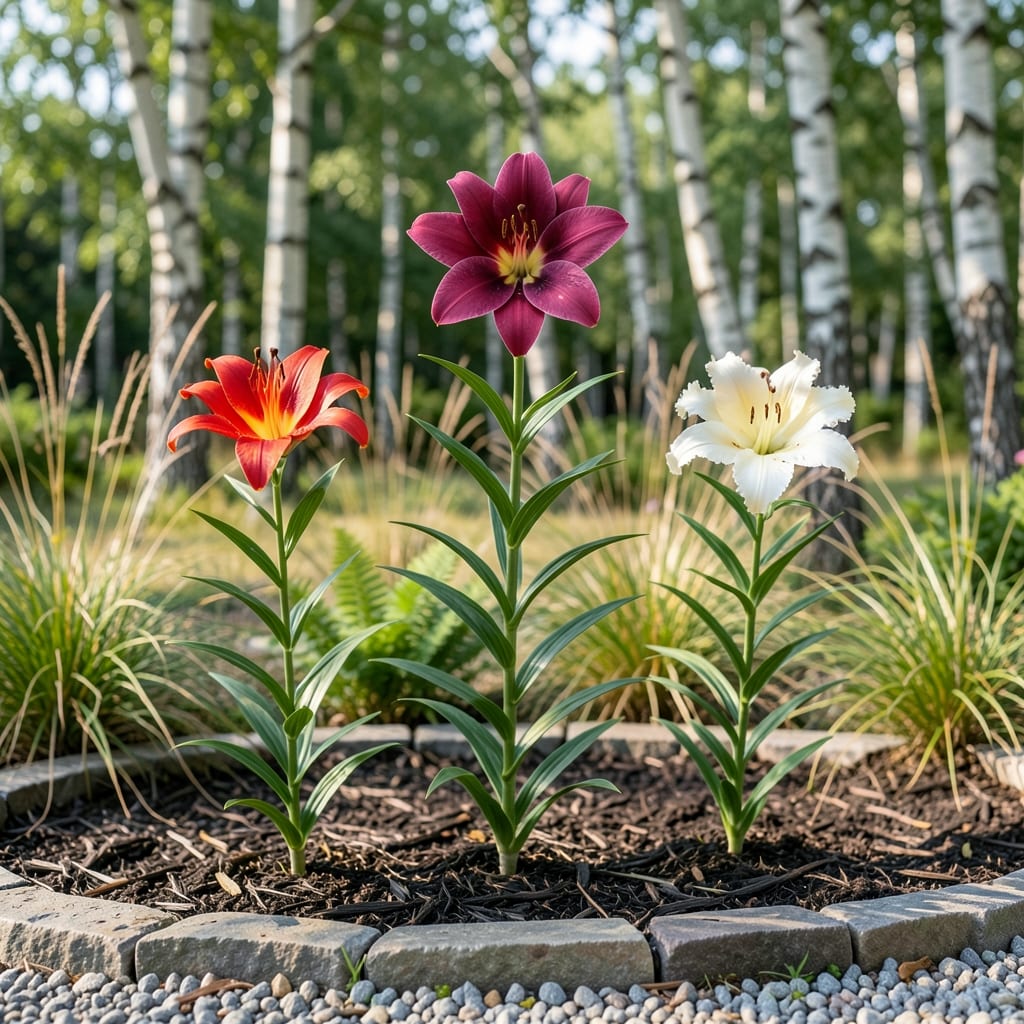
Wondering how tall can lilies grow in your garden? The answer might surprise you—some varieties stretch toward the sky like nature’s skyscrapers, while others stay humble and manageable. Whether you’re dreaming of dramatic vertical accents or prefer low-maintenance blooms, lilies offer a stunning range of heights to fit any space.
From delicate 1-foot dwarfs to towering 8-foot giants, the height of your lilies depends on the variety, care, and even your local climate. Asiatic lilies often reach 3-5 feet, while Oriental and Trumpet lilies can soar past 6 feet, making them perfect for adding grandeur to borders or trellises. But don’t worry—controlling their height is easier than you think with the right techniques.
In this guide, I’ll break down the exact height ranges for popular lily types, share secrets to encourage (or limit) their growth, and debunk myths about their sky-high potential. Whether you’re a first-time gardener or a seasoned green thumb, you’ll learn how to harness the full height potential of these stunning 🌸 blooms—without sacrificing beauty or stability.
Ready to transform your garden with lilies that reach for the sky? Let’s dive into the varieties, care tips, and support tricks that’ll have your lilies growing taller (or shorter) than ever before.


Lily height ranges by variety: from dwarf to towering giants
Lilies are one of the most diverse flowering plants when it comes to height, with some varieties staying under 2 feet while others can reach 8 feet or more. The key to choosing the right lily for your garden is understanding which types fit your space and design goals. Whether you want a low-maintenance border plant or a dramatic backdrop, there’s a lily variety to match.
I’ve grown lilies for years, and I’ve seen firsthand how Asiatic lilies can create a lush, mid-height display, while Trumpet lilies act like living towers. Even Daylilies (which aren’t true lilies) offer compact options for smaller gardens. Let’s break down the height ranges so you can pick the perfect variety for your landscape.
🌸 Variety Height Guide
| Variety | Height Range | Best For |
|---|---|---|
| Asiatic Lilies | 2–4 ft | Borders, containers, mid-height beds |
| Oriental Lilies | 3–6 ft | Backdrop plants, tall garden features |
| Trumpet Lilies | 4–8 ft | Dramatic focal points, woodland edges |
| Martagon Lilies | 3–5 ft | Shady areas, cottage gardens |
| Daylilies (Hemerocallis) | 1–3 ft | Front-of-border, ground cover |
| Dwarf Lilies (e.g., 'Little Champion') | 1–2 ft | Rock gardens, containers, small spaces |
The Trumpet lily (Lilium regale) is the undisputed height champion, often topping 6 feet and sometimes even reaching 8 feet in ideal conditions. I’ve seen them grow so tall they nearly touch my 8-foot fence! These varieties thrive in moist, well-drained soil with plenty of sunlight, making them perfect for woodland gardens or as backdrop plants.
On the shorter end, dwarf Asiatic lilies like 'Little Champion' stay under 2 feet, making them ideal for rock gardens or container gardening. Even in my small urban yard, these lilies add color without overwhelming the space. If you’re working with limited vertical room, these are the best low-maintenance options.
One common misconception is that all lilies grow tall. In reality, Daylilies (often mistaken for true lilies) rarely exceed 3 feet and are far more drought-tolerant than their taller cousins. They’re also perennial, meaning they’ll return year after year with minimal care.
For a balanced garden, I recommend mixing heights. Plant dwarf lilies in the front, Asiatic lilies in the middle, and Trumpet lilies at the back. This creates a natural tiered effect that draws the eye upward while keeping the garden visually dynamic.
If you’re planning a cut-flower garden, taller varieties like Oriental lilies (3–6 ft) are excellent choices. Their long stems make them perfect for bouquets, and their fragrant blooms add a luxurious touch to any arrangement. Just be sure to stake them early to prevent flopping under the weight of their flowers.
🌿
Factors that influence lily height: soil, sun, and care secrets
Did you know that the height of your lilies isn’t just about the variety? While Trumpet lilies might reach 8 feet naturally, their growth can be stunted—or even skyrocket—based on your care routine. I’ve seen Asiatic lilies grow 20% taller in one garden compared to another just a few miles away, and the difference came down to a few key factors: soil quality, sunlight exposure, and watering habits.
The soil you plant lilies in acts like their foundation. Rich, well-draining soil packed with organic matter (like compost) gives lilies the nutrients they need to grow tall and strong. In my own garden, amending clay soil with compost and perlite helped my Oriental lilies reach 6 feet instead of their usual 4 feet. Poor soil, on the other hand, can leave lilies struggling to reach even half their potential height.
🌱 Soil Secrets for Taller Lilies
- Test your soil’s pH (6.1–7.0)—lilies thrive in slightly acidic to neutral soil.
- Add aged compost or worm castings to boost nutrients without burning roots.
- Avoid heavy clay—mix in sand or coconut coir to improve drainage.
- Feed with a balanced fertilizer (10-10-10) in early spring for steady growth.
Sunlight is another game-changer. Lilies are sun-worshippers, and 6+ hours of direct sun daily is non-negotiable if you want them to grow to their full height. In my shade garden, Martagon lilies (which tolerate partial shade) only reached 3 feet instead of their usual 4–5 feet. For taller varieties like Trumpet lilies, even partial shade can reduce their height by 20–30%.
Watering plays a surprising role too. While lilies need consistent moisture, overwatering can stunt growth by causing root rot. I once saw a 5-foot Oriental lily in my neighbor’s garden shrink to 3 feet after a week of soggy soil. The fix? Watering deeply once a week (or more in extreme heat) and ensuring the soil drains well. Mulching with straw or wood chips helps retain moisture without suffocating the roots.
Even pruning habits can influence height. Removing spent blooms (deadheading) encourages the plant to focus energy on stronger stems rather than seed production. I’ve noticed that Asiatic lilies I deadhead regularly grow 1–2 feet taller than those I leave to seed. However, avoid pruning more than 1/3 of the foliage—this can weaken the bulb’s ability to store energy for next year’s growth.
Climate also matters. In warmer zones (USDA 8–10), lilies may grow 10–20% taller due to longer growing seasons, while in cooler zones (USDA 3–6), they might stay shorter unless you extend their season with row covers or black plastic mulch. I’ve grown Trumpet lilies in Zone 6 that hit 7 feet with these tricks!
🌿