
Flowers
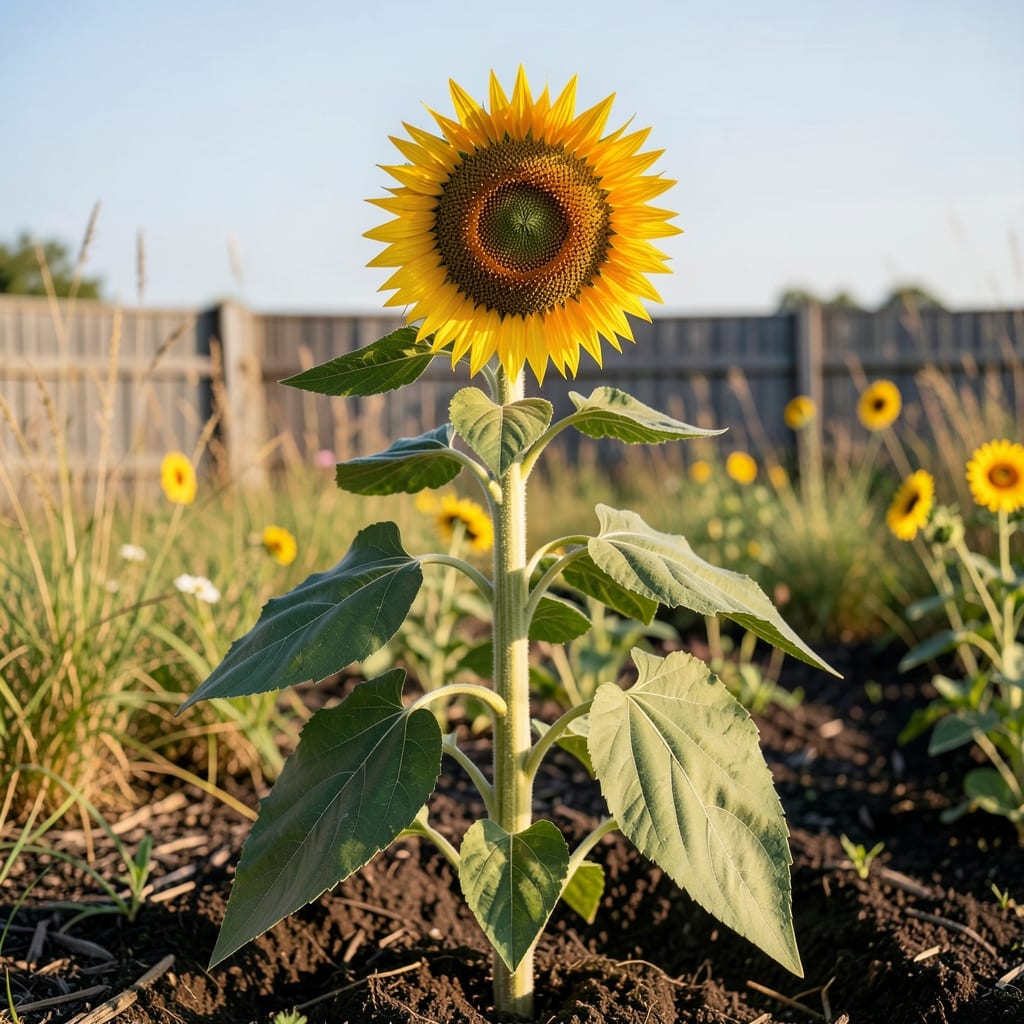
Mammoth sunflower height guide: exact growth ranges by variety
If you’ve ever dreamed of sunflowers that dwarf your fence or even your house, Mammoth sunflowers are your answer. These giants can reach heights that defy expectations, but their growth depends heavily on the variety you choose and the care you provide. The most famous varieties—like Russian Giant and Mammoth Single—are bred to shatter height records, but even within these types, heights can vary by 2–4 feet under ideal conditions.
The average Mammoth sunflower matures between 10–14 feet tall, but with perfect growing conditions, some specimens have topped out at a staggering 16+ feet. For perspective, that’s taller than a standard basketball hoop or even some two-story homes! However, not all Mammoth varieties reach these extremes—some stay closer to 8–10 feet if conditions aren’t optimal.
To help you plan your garden, I’ve broken down the height ranges for the top Mammoth sunflower varieties, including their growth patterns and what makes them stand out. Whether you’re aiming for a showstopping centerpiece or a bird-friendly giant, knowing these details will help you maximize height potential.
| Variety | Average Height | Record Height | Growth Pattern | Best For |
|---|---|---|---|---|
| Russian Giant | 12–16 ft | 18+ ft (with support) | Fast vertical growth; thick stems | Cut flowers, bird feeders |
| Mammoth Russian | 10–14 ft | 15 ft | Tall and slender; needs staking | Privacy screens, ornamental |
| Mammoth Single | 10–12 ft | 14 ft | Single blooms; sturdy stems | Cut flowers, bouquets |
| American Giant | 8–10 ft | 12 ft | Slower growth; bushier | Beginner gardens, containers |
| Mammoth Double Click | 9–11 ft | 13 ft | Double blooms; slightly shorter | Decorative displays |
Heights vary by growing conditions, soil quality, and care.
The Russian Giant variety is the undisputed king of Mammoth sunflowers, often surpassing 16 feet with proper support. This variety is prized for its thick, sturdy stems, which can support the weight of heavy blooms without toppling. If you’re aiming for a world-record sunflower, this is the variety to grow—just be prepared to stake it heavily and provide rich, well-draining soil.
For gardeners with limited space or who prefer a slightly shorter giant, the Mammoth Single offers a great balance. While it may not reach the same heights as the Russian Giant, its single, showy blooms make it a favorite for cut flower arrangements. These varieties typically mature in 80–100 days, giving you a dramatic display by late summer.
One common misconception is that all Mammoth sunflowers grow equally tall. In reality, soil fertility and water consistency can influence height by up to 30%. For example, a Mammoth Russian grown in nutrient-poor soil might only reach 8–10 feet, while the same variety in a compost-rich plot could easily exceed 14 feet. This is why soil prep is critical—more on that in the next section!
If you’re growing Mammoth sunflowers for bird feeders or privacy screens, focus on varieties like Mammoth Russian or American Giant. These types grow tall enough to block views while providing a natural food source for birds once the seeds mature. Just remember: the taller the sunflower, the more wind resistance it will face, so staking is a must in exposed areas.
For those who love double blooms, the Mammoth Double Click is a stunning choice, though it may sacrifice a foot or two in height. These sunflowers are perfect for garden borders or flower arrangements where you want a lush, full look without the extreme height of other Mammoth varieties.
Pro tip: If you’re planting multiple Mammoth sunflowers, space them 18–24 inches apart to prevent overcrowding. This gives their roots room to establish and ensures each plant has access to sunlight and nutrients—both critical for reaching maximum height.
5 Proven care secrets to maximize Mammoth sunflower height
Want your Mammoth sunflowers to reach their full 10–14-foot potential? It’s all about the care! These giants need the right conditions to grow tall and strong. Start with nutrient-rich soil—they’re heavy feeders and thrive in well-draining, compost-amended earth. A pH of 6.0–7.0 ensures they absorb essential nutrients like nitrogen for stem strength.
Next, water deeply but infrequently. Overwatering weakens stems, while consistent moisture encourages robust growth. Aim for 1–2 inches of water per week, especially during dry spells. Early morning watering prevents fungal diseases and keeps foliage dry for photosynthesis.
Sunlight is non-negotiable for these giants. Place them in a south-facing spot where they’ll bask in 6+ hours of direct sun daily. Without enough light, stems grow weak and leggy, capping height at just 6–8 feet. If your garden lacks full sun, consider grow lights for indoor cultivation.
Support structures are a game-changer for height. Without them, wind or heavy blooms can snap stems at 10 feet. Install bamboo stakes or tomato cages at planting to guide growth. Tie stems loosely with soft plant ties every 3–4 feet to prevent damage as they surge upward.
Finally, avoid common mistakes like over-fertilizing with nitrogen (it promotes leafy growth over height) or planting too late. Mammoth sunflowers need a long growing season (90+ days), so start seeds indoors 4–6 weeks before last frost for optimal height.
With these secrets, your Mammoth sunflowers could easily hit 12–14 feet—taller than a basketball hoop! Just remember: patience and consistency are key. These giants reward diligent care with breathtaking vertical drama. 🌻