
How To
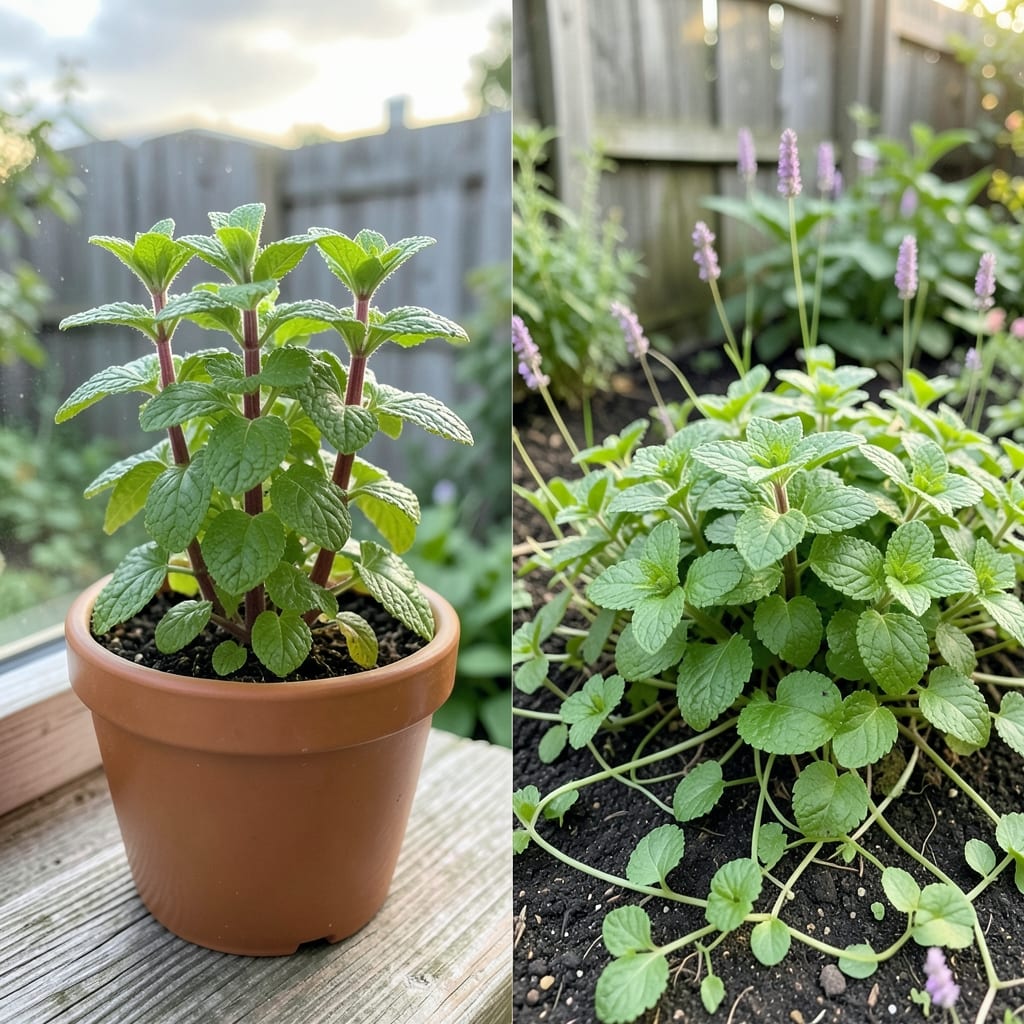
If you’ve ever wondered how tall mint can grow when left to its own devices, you know firsthand how aggressively it can take over—sometimes reaching heights that surprise even seasoned gardeners. The answer to "how tall can mint grow" isn’t one-size-fits-all, but most varieties climb between 1 and 4 feet under ideal conditions, with some bold types stretching toward 6 feet if left unpruned.
🌿 Whether you're growing peppermint for cocktails or spearmint for cooking, understanding your plant’s potential is key to managing its spread. Without proper care, mint can become a garden bully, crowding out neighbors and turning your neat herb bed into a wild jungle. The good news? A few simple techniques can keep it in check while maximizing your harvest.
Sunlight, soil quality, and pruning habits all play a role in determining whether your mint stays compact or shoots skyward. In this guide, I’ll break down the factors that influence height, share tips for controlling overgrowth, and highlight the best varieties for different space constraints—so you can enjoy fresh mint without losing your garden to it.
Ready to reclaim control? Let’s dive into how to grow mint that’s both productive and well-behaved, no matter your outdoor space or gardening experience.


Mint growth height guide: from ground cover to towering plants
Understanding how tall mint can grow starts with recognizing its natural tendencies. Most mint varieties reach between 1 and 4 feet when mature, but with ideal conditions—rich soil, ample sunlight, and minimal pruning—some can stretch toward 6 feet or more. This aggressive growth is why mint is often called a garden invasive if left unchecked.
🌱 The height of mint depends on several factors, including the specific variety, growing conditions, and how often you prune. For example, peppermint tends to grow taller than spearmint, while dwarf varieties like pineapple mint stay compact. Without intervention, mint can spread horizontally up to 3 feet per year, creating dense patches that crowd out other plants.
Here’s what influences how tall your mint will grow:
| Factor | Impact on Height | How to Control |
|---|---|---|
| Variety | Determines natural height range (e.g., peppermint: 3-5 ft, apple mint: 2-3 ft) | Choose dwarf varieties for containers |
| Sunlight | Full sun (6+ hours) encourages taller growth; partial shade keeps plants shorter | Provide 4-6 hours of morning sun only |
| Pruning | Regular pruning promotes bushier, shorter growth; neglect leads to tall, leggy stems | Trim back by 1/3 every 4-6 weeks |
| Soil Quality | Rich, moist soil fuels rapid growth; poor soil slows height but reduces vigor | Use well-draining, compost-amended soil |
| Container Growth | Root-bound conditions restrict height to 1-2 feet | Repot every 1-2 years to refresh roots |
If you’re growing mint in containers, expect it to stay shorter—typically between 1 and 2 feet—because root growth is restricted. However, even in pots, mint can spread aggressively, so choose a container with deep sides (12+ inches) to accommodate its root system. For in-ground planting, use root barriers to prevent underground runners from invading other plant beds.
💡 A common misconception is that taller mint is always better. In reality, shorter, bushier plants produce more flavorful leaves and are easier to harvest. The key is to prune regularly to encourage lateral growth rather than letting the plant shoot upward. For example, if you’re growing peppermint for tea, aim to keep it between 2 and 3 feet by pinching back the tips frequently.
Another factor to consider is the harvesting frequency. Mint grows best when harvested regularly—cutting back stems encourages new growth and prevents the plant from becoming leggy. If you let mint flower, it will focus energy on seed production rather than leaf growth, resulting in a taller but less productive plant. Always remove flower spikes as soon as they appear to maintain a compact, leafy structure.
For those with limited space, consider growing mint in hanging baskets or vertical planters. This not only controls height but also maximizes your garden’s vertical real estate. Just ensure the container has adequate drainage, as mint roots are prone to rot in soggy conditions. With the right approach, you can enjoy fresh mint without sacrificing your garden’s layout.
🌿 Whether you’re dealing with a 6-foot peppermint monster or a 1-foot pineapple mint, understanding these growth factors will help you manage mint effectively. In the next section, I’ll dive into the best varieties for height control, so you can pick the perfect mint for your space and needs.
Best mint varieties for height control: compact vs. aggressive types
When choosing mint varieties, the height difference can be dramatic—some stay neatly contained while others reach for the sky. If you’re dealing with limited space or want to avoid garden takeovers, selecting the right variety is your first line of defense. Peppermint and spearmint are classic choices but can grow tall (3–5 feet), while pineapple mint and apple mint stay compact (1–3 feet). The key is matching your space and needs to the plant’s natural growth habits.
🌱 For containers or small gardens, dwarf varieties like chocolate mint (1–2 feet) or banana mint (1–2 feet) are ideal. These stay manageable even in pots, making them perfect for balconies or windowsills. If you’re growing mint for culinary or medicinal uses, taller varieties like peppermint (3–5 feet) or watermint (2–4 feet) deliver stronger flavors but require more space and pruning.
Mint Varieties by Height & Growing Style
| Variety | Height Range | Best For | Growth Tips |
|---|---|---|---|
| Peppermint | 3–5 ft | Tea, flavor | Prune aggressively; use root barriers |
| Spearmint | 2–4 ft | Cooking, garnish | Harvest regularly to control spread |
| Apple Mint | 2–3 ft | Containers, small gardens | Great for hanging baskets |
| Pineapple Mint | 1–2 ft | Decorative, small spaces | Ideal for pots; minimal pruning |
| Chocolate Mint | 1–2 ft | Culinary, desserts | Slow-growing; low maintenance |
If you’re growing mint in containers, opt for varieties like pineapple mint or chocolate mint, which rarely exceed 2 feet. These thrive in pots with 12-inch depth and benefit from regular pinching to encourage bushiness. For in-ground planting, peppermint and spearmint are hardier but demand more attention to prevent them from overtaking your garden.
💡 A pro tip: If you love the flavor of peppermint but hate its height, try growing it in a deep container with a root barrier. This restricts its spread while still allowing you to harvest flavorful leaves. For spearmint, which is slightly shorter but still aggressive, consider planting it in a raised bed with buried edges to contain its roots.
For those with limited space, banana mint or apple mint are excellent choices—they stay under 3 feet and add a fragrant, decorative touch to your garden. These varieties also produce colorful flowers that attract pollinators, making them a dual-purpose plant. Just be sure to deadhead the flowers to redirect energy back into leaf growth rather than seed production.
🌿 Whether you’re a beginner gardener or a seasoned pro, selecting the right mint variety is half the battle. Pair your choice with proper pruning and container strategies, and you’ll enjoy fresh mint without the chaos. In the next section, I’ll walk you through step-by-step pruning techniques to keep your mint at your desired height—no matter the variety.