
How To
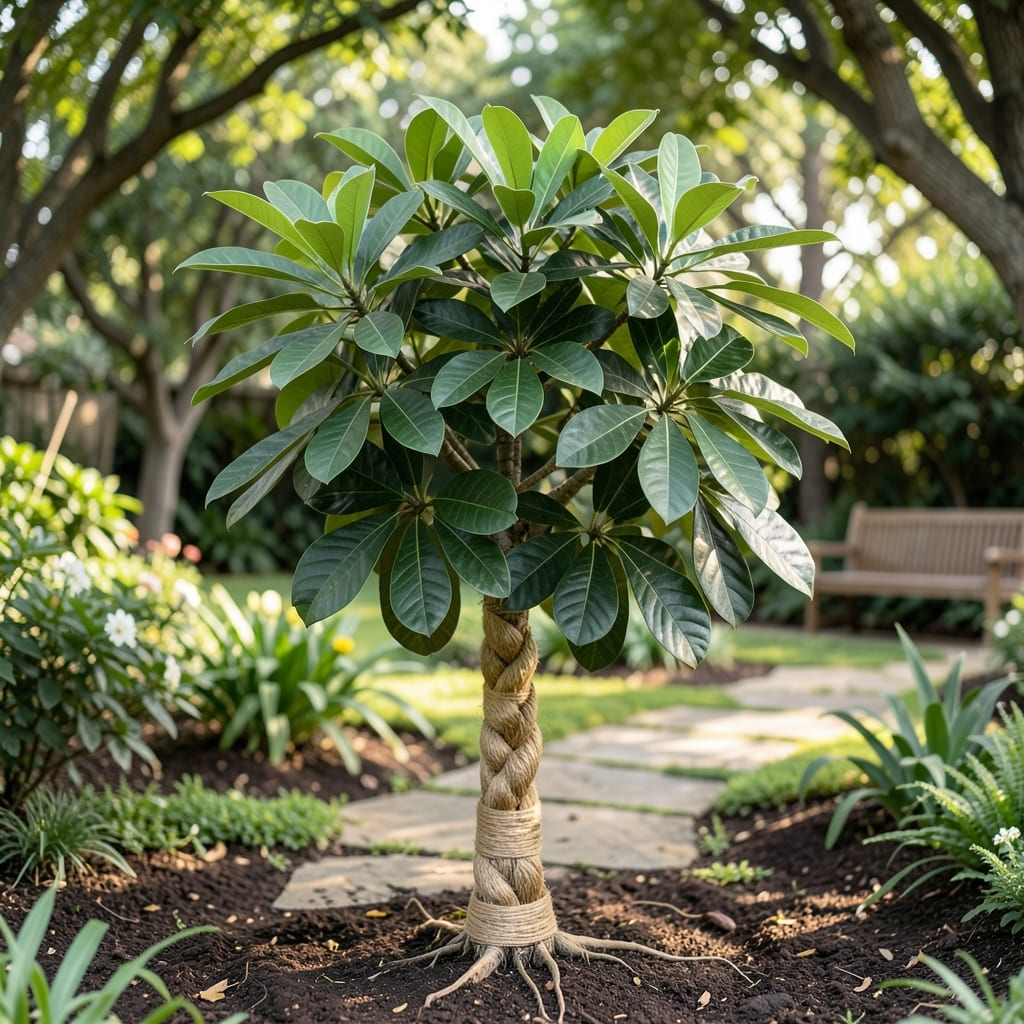
Wondering how tall a Money Tree can grow before it turns your living room into a jungle skyscraper? The answer might surprise you—this tropical plant can reach up to 10 feet indoors (or even taller outdoors), but its height depends on care, space, and a little strategic pruning.
If you’ve ever glanced at your Money Tree and wondered whether it’ll outgrow its welcome, you’re not alone. Many plant parents assume these slow-growing beauties stay compact, but with the right conditions, they can reach impressive heights—sometimes faster than expected. The key lies in understanding how light, water, and humidity influence its growth trajectory.
In this guide, I’ll break down the realistic height limits for indoor vs. outdoor Money Trees, plus pro tips to control its size without sacrificing its lush charm. Whether you’re dealing with a 6-foot ceiling or a sprawling backyard, you’ll learn how to keep your Money Tree thriving at the perfect height.
From dwarf varieties that stay under 5 feet to standard types that stretch toward the sky, we’ll cover everything—so you can enjoy your plant’s natural growth without the stress of a ceiling collision.


Money Tree height limits: indoor vs outdoor growth potential
Your money tree (Pachira aquatica) can grow into a stunning tropical statement piece—but its maximum height depends entirely on where you grow it. Indoors, most standard varieties reach 6–10 feet tall, while outdoors in ideal conditions, they can soar to 15–25 feet. Understanding these differences helps you plan for ceiling clearance or garden space before your plant outgrows its home.
Indoor money trees grow slower due to limited light and controlled environments, but with proper care, they can still become tall as a dining table in 3–5 years. Outdoors, they thrive in warm climates, growing 3–5 feet per year under optimal conditions. The key difference? Light exposure and space—outdoor trees stretch toward the sky, while indoor trees rely on your pruning skills to stay manageable.
🌿
| Growth Factor | Indoor Money Tree | Outdoor Money Tree |
|---|---|---|
| Maximum Height | 6–10 ft | 15–25 ft |
| Growth Rate | 1–2 ft/year | 3–5 ft/year |
| Light Needs | Bright indirect (east/west window) | Full sun (6+ hours/day) |
| Humidity Needs | 40–60% (use humidifier) | 60–80% (naturally high) |
| Dwarf Varieties | 3–5 ft (e.g., 'Money Tree Mini') | N/A (standard only) |
| Pruning Frequency | 2–4 times/year | 1–2 times/year |
If your ceiling is 8 feet tall or less, opt for a dwarf variety like 'Money Tree Mini,' which tops out at 3–5 feet. These compact versions grow just as lushly but stay perfect for apartments or small offices. For larger spaces, standard varieties will reward you with dramatic vertical growth—just be prepared to prune regularly to maintain shape and prevent legginess.
Outdoor money trees love warm climates (USDA Zones 10–11) and can become small trees in gardens. In cooler zones, grow them in large containers and bring them indoors during winter. The trade-off? Container-grown outdoor trees grow slower but give you flexibility to move them as needed.
Light is the #1 factor controlling height. Indoor money trees need bright indirect light—place yours within 3 feet of an east-facing window for best results. Without enough light, they’ll stretch toward any source, becoming tall and leggy with sparse leaves. Rotate your pot quarter-turns every 2 weeks to encourage even growth.
Humidity also plays a role. Indoor air is often too dry for tropical plants, causing slower growth and brown leaf tips. Use a pebble tray or humidifier near your money tree to mimic its natural rainforest habitat. Outdoor trees rarely struggle with humidity, but wind exposure can stunt growth, so plant them in sheltered spots.
🌳
Fertilizing makes a difference too. Indoor money trees benefit from balanced fertilizer (10-10-10) every 6–8 weeks during spring and summer. Skip fertilizing in fall and winter when growth slows. Outdoor trees need more nutrients—apply a slow-release fertilizer in early spring and again in mid-summer to fuel rapid growth.
One final tip: Repot every 2–3 years to refresh the soil and give roots room to expand. Root-bound trees grow slower and may drop leaves. Choose a pot just 2 inches larger in diameter than the current one to avoid shocking the plant with too much space.
Money Tree height limits: indoor vs outdoor growth potential
Your Money Tree (Pachira aquatica) can grow into a stunning tropical statement piece—but its final height depends entirely on where you grow it. Indoors, most standard varieties reach 6 to 10 feet with proper care, while outdoors, they can soar to 15 to 25 feet in ideal conditions. The difference comes down to space, light exposure, and how aggressively you prune.
If you’re worried about ceiling collisions, don’t panic—indoor Money Trees grow at about 12 inches per year under optimal conditions. That means a 3-foot-tall plant today could hit your ceiling in 5–7 years if left unchecked. Outdoors, growth accelerates due to more sunlight, humidity, and space to stretch upward.
Here’s the key factor: light exposure. Money Trees thrive in bright, indirect light, but direct sunlight can scorch their leaves. Without enough light, growth slows dramatically. In low-light spots, expect only 3 to 5 feet of height—ideal for small apartments but limiting for larger spaces.
For small spaces, consider dwarf varieties like the 'Money Tree Mini', which tops out at 3 to 5 feet. These are perfect for apartments or offices where ceiling height is a concern. Even standard varieties can be kept compact with regular pruning—just trim back leggy stems in early spring to encourage fuller growth.
Outdoors, Money Trees love humidity and warmth, making them ideal for USDA zones 10–12. In cooler climates, treat them as container plants and bring them inside during winter. Without proper care, outdoor Money Trees may struggle to reach their full height potential.
Pro tip: If your Money Tree starts growing too fast, rotate it every few weeks to ensure even light exposure. This prevents lopsided growth and keeps your plant balanced—whether it’s destined for your ceiling or your backyard jungle.