
How To
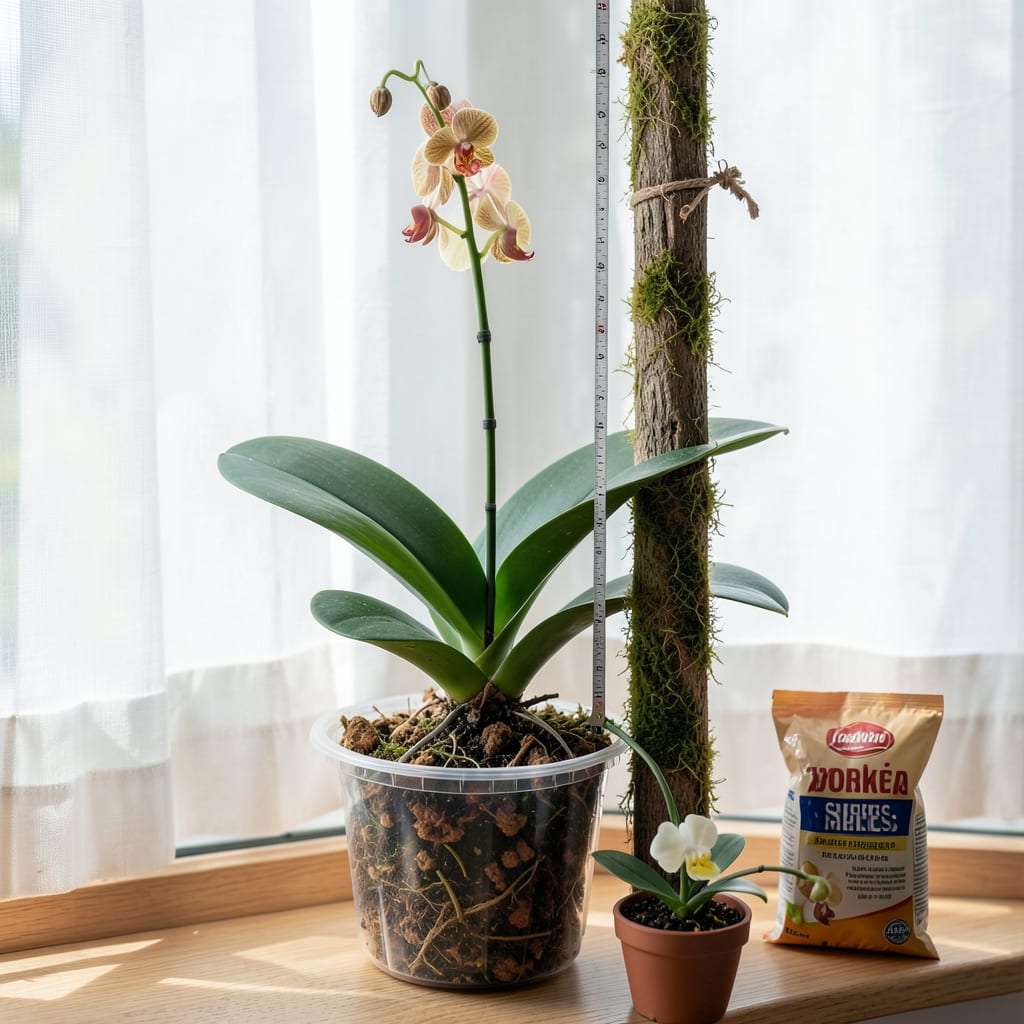
If you’ve ever wondered just how tall your orchids 🌸 can grow, the answer might surprise you—some stay tiny enough for a windowsill, while others stretch taller than you! The height of these stunning plants depends entirely on their species, care routine, and growing conditions.
From the delicate Phalaenopsis that tops out around 2 feet to the towering Vanda varieties reaching over 10 feet, orchids defy expectations. Whether you’re dreaming of a cascading centerpiece or a jungle-like statement plant, understanding their growth potential is the first step to nurturing them to their full height.
Light exposure, proper support, and species-specific care all play a role in determining how tall your orchids will grow. Some varieties thrive in small pots, while others need room to climb—knowing the difference can mean the gap between a compact beauty and a vertical masterpiece.
Ready to unlock the secrets of orchid growth? Let’s explore the factors that influence their height and how you can encourage your plants to reach their stunning potential—no matter your space or skill level.

Orchid height by species: from dwarf varieties to towering giants
Orchids aren’t one-size-fits-all when it comes to height—some varieties stay compact enough for a desk, while others become vertical showstoppers. The species you choose determines whether your orchid will stay under 1 foot or stretch toward the ceiling. Let’s explore the dramatic differences between dwarf, medium, and giant orchid varieties.
Most beginner-friendly orchids, like the Phalaenopsis (moth orchid), typically reach 12–24 inches tall, making them perfect for shelves or countertops. These miniature orchids thrive in small pots and rarely exceed 3 feet, even with ideal care. Their compact size also means they’re low-maintenance for indoor growers.
In contrast, epiphytic orchids like Vanda and Cattleya can become towering giants, often exceeding 6 feet in height. These varieties grow naturally in trees, where they send long, aerial roots upward to reach sunlight. Without proper support, they can become top-heavy and prone to falling over.
Here’s a quick look at how orchid height varies by species, from the tiniest to the tallest:
| Orchid Type | Height Range | Growth Habit | Ideal Growing Conditions |
|---|---|---|---|
| Miniature Orchids | 6–12 inches | Compact, bushy | Bright indirect light, small pots |
| Phalaenopsis | 12–24 inches | Trailing or upright | Moderate humidity, 60–80°F |
| Dendrobium | 1–3 feet | Canes or clusters | Cool winters, bright light |
| Medium Orchids | 2–4 feet | Upright or climbing | Sturdy pots, support stakes |
| Cattleya | 3–5 feet | Epiphytic, needs support | High humidity, warm temps |
| Giant Orchids | 6–10+ feet | Tall, spreading | Large pots, trellises, greenhouse |
| Vanda | 8–12 feet | Aerial roots, climbing | High light, excellent airflow |
| Grammatophyllum | Up to 15 feet | Massive pseudobulbs | Tropical climate, spacious |
The Grammatophyllum, often called the "giant orchid," holds the record for the tallest orchid species, with some specimens reaching up to 15 feet in their natural habitat. These jungle giants require spacious growing conditions, often needing custom-built supports or even outdoor gardens in warm climates.
Even within a single species, height can vary. For example, Phalaenopsis hybrids bred for tabletop displays stay under 12 inches, while larger varieties can exceed 3 feet. The key difference? Genetics and growing conditions. Epiphytic orchids, which grow on trees, naturally develop taller stems to reach sunlight, while terrestrial orchids stay closer to the ground.
If you’re working with limited space, dwarf varieties like Miniature Phalaenopsis or Paphiopedilum (lady slipper orchids) are ideal.
How to maximize orchid height: light, support, and care Tips
Want your orchids to reach their full height potential? The key lies in mimicking their natural growing conditions. Most orchids thrive with bright indirect light—think of a dappled forest floor. Place them near an east-facing window or under grow lights for 10-14 hours daily. Too little light stunts growth, while harsh direct sun can scorch leaves and limit vertical expansion.
For epiphytic orchids like Cattleyas or Vandas, which naturally grow on trees, providing a support structure is crucial. Use bamboo stakes, trellises, or moss poles to guide their growth upward. These varieties can grow taller than 6 feet with proper support, creating stunning vertical displays. Even smaller orchids like Phalaenopsis benefit from gentle training to encourage upward growth.
- Light exposure: Provide 10-14 hours of bright indirect light daily.
- Support structures: Use trellises or moss poles for climbing varieties.
- Repot regularly: Upgrade pots every 2-3 years to accommodate root growth.
- Fertilize wisely: Use a balanced 20-10-20 fertilizer during active growth.
- Prune strategically: Trim spent flower spikes to redirect energy upward.
Repotting is another game-changer for orchid height. Most orchids outgrow their containers within 2-3 years, and cramped roots limit vertical growth. Choose pots with drainage holes and use a chunky orchid mix to encourage root expansion. For larger varieties like Dendrobiums, opt for slotted pots or hanging baskets to support their weight and promote upward growth.
Fertilizing plays a subtle but important role in orchid height. During the growing season (spring and summer), feed your orchids with a balanced fertilizer (20-10-20) every 2-4 weeks. This encourages stronger root and stem development. Avoid over-fertilizing in winter, as orchids enter a dormant phase and don’t need extra nutrients to fuel height growth.
Common mistakes can sabotage your orchid’s height potential. Overwatering leads to root rot, which weakens the plant and stunts growth. On the flip side, underwatering causes stress and slows development. Aim for weekly watering in summer and bi-weekly in winter, adjusting based on humidity levels. Also, avoid placing orchids in drafty areas or near heating vents, as temperature fluctuations can stress the plant and limit its height.
With the right care, your orchids can grow to their full potential—whether that’s a compact 1-foot beauty or a towering 10-foot giant. Experiment with different care techniques to see what works best for your specific varieties, and don’t hesitate to ask for advice from fellow orchid enthusiasts. Happy growing!