
Trees
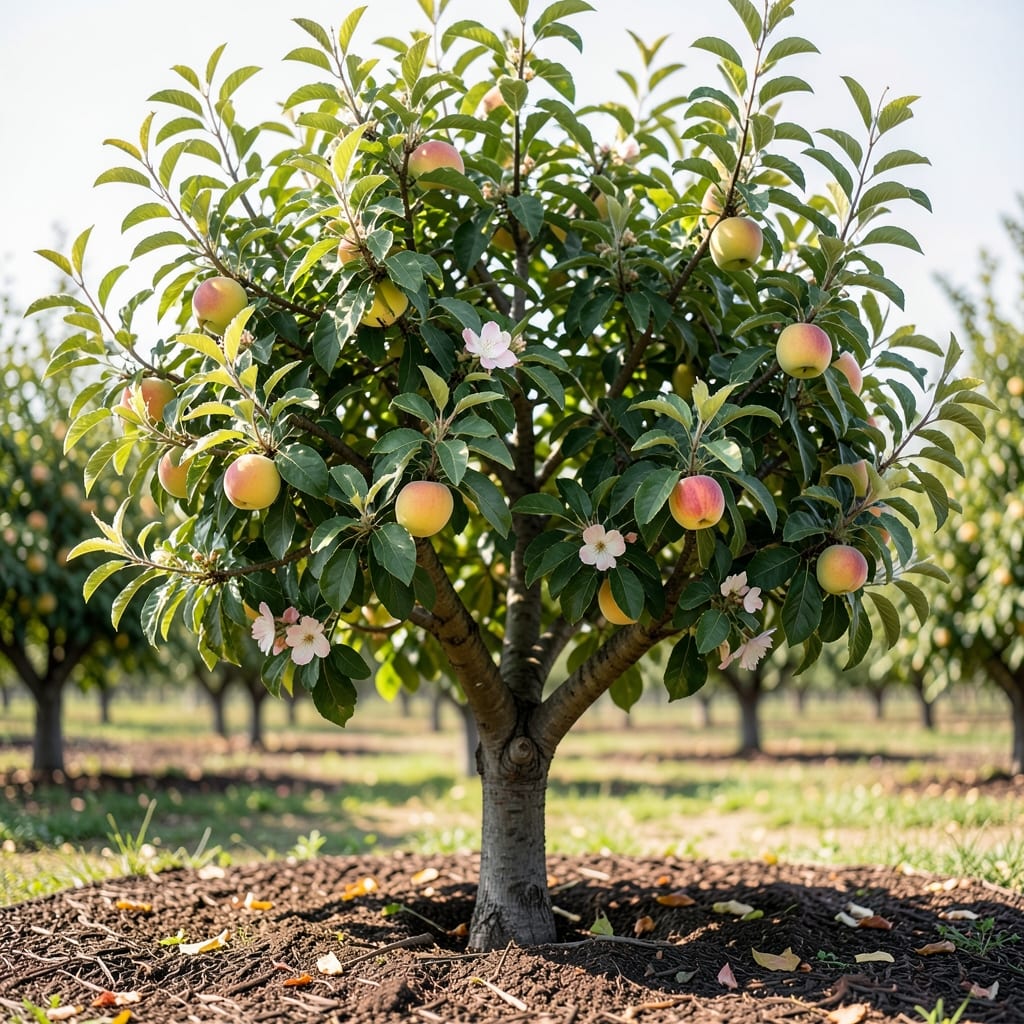
If you’ve ever wondered how tall can peach trees grow, the answer might surprise you—these fruiting powerhouses can stretch from compact 6-foot dwarfs to towering 30-foot giants, depending on the variety you choose. That means whether you’ve got a tiny balcony or a sprawling backyard, there’s a peach tree perfect for your space.
🍑 The key to controlling height starts with selecting the right cultivar, but pruning plays an equally important role. Dwarf varieties thrive in containers or small gardens, while standard trees need room to reach their full potential in rural settings. With proper care, you can even shape a semi-dwarf tree to stay manageable without sacrificing fruit production.
What’s most exciting? Many peach trees hit their mature height within just 3-5 years, meaning you won’t have to wait decades to enjoy fresh, homegrown fruit. Whether you’re dreaming of a backyard orchard or a single tree in a pot, understanding these growth patterns is the first step to success.
In this guide, I’ll break down everything you need to know—from variety comparisons to pruning tips—to help you pick and grow the perfect-sized peach tree for your space. Let’s get started!


Peach tree height by variety: dwarf to 30-Foot giants compared
Peach trees are one of the most versatile fruit trees you can grow, with heights ranging from just 6 feet to over 30 feet at maturity. The size you choose depends entirely on the variety you select, your available space, and your long-term care goals. Dwarf varieties are perfect for containers or small patios, while standard trees thrive in rural orchards where they can reach their full potential.
🍑 The key difference between varieties lies in their rootstock, which determines both height and growth rate. Dwarf rootstocks like Lovell or Halford keep trees under 10 feet, while semi-dwarf rootstocks like Nemaguard produce trees between 12-18 feet. Standard rootstocks, such as open-pollinated varieties, allow trees to grow 20-30 feet tall.
Here’s how the most popular peach tree varieties compare in terms of mature height and ideal growing conditions:
One of the biggest misconceptions about peach trees is that taller trees always produce more fruit. In reality, dwarf varieties often bear fruit earlier and more consistently because their smaller size makes them easier to care for. They also require less pruning and are less susceptible to certain diseases that affect larger trees.
🌱 If you’re growing peaches in a container or small space, dwarf varieties like Bonanza or Suncrest are excellent choices. These trees can produce hundreds of peaches per year while staying under 10 feet tall. Just ensure your container is at least 18-24 inches in diameter and has drainage holes to prevent root rot.
For those with more space, semi-dwarf varieties like Redhaven or J.H. Hale strike a perfect balance between manageable size and high fruit production. These trees typically reach maturity in 3-5 years and can produce 50-100 pounds of peaches annually with proper care.
Standard varieties like Elberta are best suited for rural properties or orchards where they can spread out naturally. These trees require more space and regular pruning to maintain health, but they can produce up to 200 pounds of fruit per year once fully established. Just be prepared for their wide canopy and deep root systems, which can make them challenging to manage in tight spaces.
🌳 Another factor to consider is climate and sunlight exposure. Peach trees thrive in USDA Zones 5-9 and need 6-8 hours of full sun daily. In warmer climates, taller varieties may grow even larger, while cooler regions might see slightly slower growth rates. Always check your local frost dates when selecting a variety, as some dwarf trees are more sensitive to late frosts.
No matter which variety you choose, remember that proper spacing is crucial for healthy growth. Plant dwarf trees 8-10 feet apart, semi-dwarfs 12-15 feet apart, and standard trees 20-25 feet apart. This gives roots room to spread and reduces competition for nutrients and water.
How to choose the right peach tree height for your space
Selecting the right peach tree height for your space is all about balancing your yard size, maintenance preferences, and fruit production goals. If you’re working with limited space, a dwarf variety (6-8 feet) could be your best bet—these thrive in containers or small gardens while still producing abundant fruit. For suburban yards, semi-dwarf varieties (12-15 feet) offer a happy medium, fitting neatly into landscapes without overwhelming them.
🍑 On the other hand, if you’ve got a rural property or dream of a traditional orchard, standard peach trees (20-30 feet) will give you that classic, sprawling look. Just remember: taller trees require more space for root systems and branches to spread safely away from structures. Always check the mature height of any variety before planting—it’s the best way to avoid future headaches.
Another key factor is your climate zone. In warmer regions (USDA Zones 7-9), peach trees grow faster and reach their full height sooner, while colder zones (Zones 5-6) may see slower growth. If you’re unsure, opt for a semi-dwarf variety—they’re adaptable and easier to manage in most conditions.
For urban gardeners or those with balconies, consider container-grown dwarf peaches like ‘Bonanza’ or ‘Redhaven.’ These varieties stay compact but still produce high-quality fruit. Just ensure your pot has drainage holes and is at least 18 inches wide to accommodate roots. If you’re planting in the ground, space dwarf trees 8-10 feet apart to allow airflow and sunlight to reach all branches.
🌱 Quick Space-Saving Guide
- Containers: Dwarf varieties (6-8 ft) in 18"+ pots
- Small Yards: Semi-dwarfs (12-15 ft) with 10-12 ft spacing
- Rural Orchards: Standard trees (20-30 ft) with 20-25 ft spacing
- Balconies: ‘Bonanza’ or ‘Redhaven’ in large containers
If you’re torn between varieties, think about fruit accessibility. Taller trees mean you’ll need a ladder to pick peaches, while dwarf trees bring fruit within easy reach. For families or frequent harvesters, a semi-dwarf tree is often the sweet spot—it’s tall enough to produce generously but short enough to enjoy without climbing.
Finally, don’t forget about future growth. Even dwarf trees can grow a few feet taller over time, so leave extra space if possible. And if you’re planting near a fence or building, aim for a semi-dwarf or dwarf to avoid shading or structural issues. With the right choice, you’ll have a peach tree that fits your space and your lifestyle—without sacrificing flavor or yield!