
How To
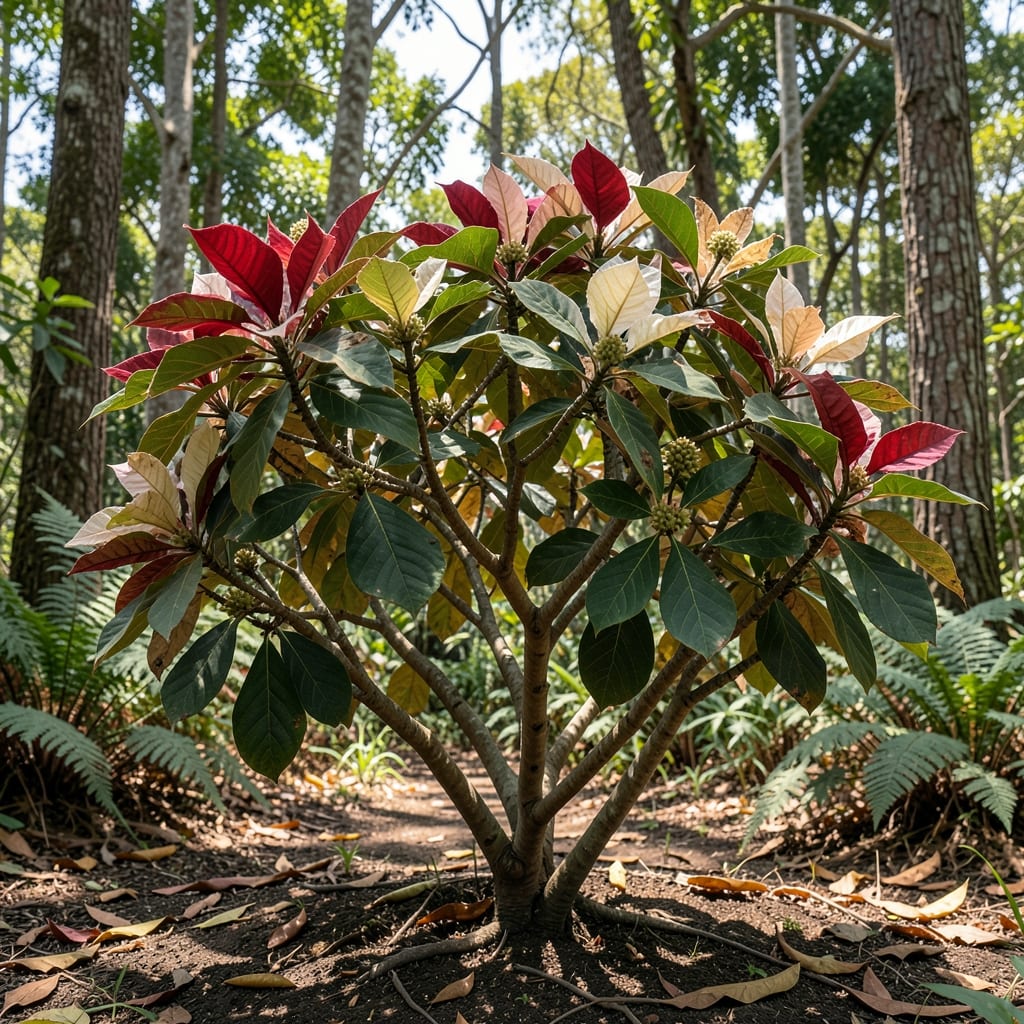
If you’ve ever wondered how tall poinsettias can grow in the wild, the answer lies in their native habitat. In Central Mexico’s 9b climate, where these plants thrive naturally, poinsettias can stretch to 10 feet or taller—like towering jungle sentinels rather than your living room centerpiece.
The secret isn’t just genetics—it’s the environment. Wild poinsettias bask in full tropical sunlight, thrive in nutrient-rich volcanic soil, and enjoy year-round warmth, all of which fuel their dramatic growth. Compare that to your indoor plant, which might get artificial light and limited space, and the difference becomes clear.
But here’s the kicker: even with ideal care at home, most gardeners won’t see 10-foot giants. The hybrids we grow are bred for compact size, not wild stature. Still, understanding their natural habits can help you coax taller, healthier plants—whether you’re aiming for a statement piece or just curious about their wild side.
Let’s break down what makes wild poinsettias so towering—and how you can give your own plant the best shot at reaching its potential, even if it never hits 10 feet. Spoiler: it’s all about sunlight, soil, and a little patience.

Poinsettia height in the wild: from 6 to 10 feet explained
When you picture a poinsettia, you likely imagine the 3-foot-tall holiday centerpiece from your local nursery. But in their native Mexican forests, these plants can grow three times taller, reaching heights of 6 to 10 feet—or even more under ideal conditions. The difference? Their wild environment provides everything they need to thrive.
Native to Central Mexico's tropical and subtropical regions, wild poinsettias (Euphorbia pulcherrima) grow as understory shrubs in dense forests. Here, they receive dappled sunlight, rich organic soil, and consistent humidity—conditions that encourage rapid, vertical growth. In contrast, your indoor poinsettia faces limited space, artificial lighting, and controlled environments that stunt its natural growth potential.
🌱
🌿 Wild Poinsettia Growth Factors
| Factor | Wild Conditions | Indoor Conditions |
|---|---|---|
| Sunlight | Partial shade (40% light) | Artificial grow lights (limited) |
| Soil | Rich, well-draining organic | Potting mix (nutrient-poor) |
| Humidity | 80-90% | 30-50% (dry indoor air) |
| Space | Unrestricted vertical growth | Pot-bound (root restricted) |
| Temperature | 70-85°F year-round | 60-75°F (fluctuates) |
The Euphorbia pulcherrima species in the wild can grow up to 12 feet in ideal conditions, though 6 to 10 feet is more common. Their growth rate accelerates during Mexico's summer rainy season, when they receive consistent moisture and warmth. In contrast, domesticated poinsettias are often hybrids bred for compact size, making them less likely to reach their wild counterparts' heights.
One key factor is pruning in the wild. While gardeners often prune poinsettias to control size, wild plants grow freely, developing multiple sturdy stems that support their height. Their broad, leathery leaves capture sunlight efficiently, even in shaded forest floors, fueling rapid vertical growth.
Soil composition also plays a critical role. Wild poinsettias thrive in well-draining, nutrient-rich soil mixed with decaying leaves and organic matter. This mimics the forest floor ecosystem, where nutrients cycle quickly. In contrast, potted poinsettias often rely on sterile potting mixes that lack the organic richness found naturally.
🌿
Another surprising factor is competition. In dense Mexican forests, poinsettias must grow tall to compete for sunlight with towering trees. This evolutionary pressure results in their tall, slender growth habit. Indoors, without this competition, poinsettias grow bushier but shorter, as they focus energy on leaf production rather than vertical expansion.
For gardeners curious about growing taller poinsettias, understanding these wild conditions is key. Mimicking humidity levels, soil quality, and light exposure can help coax your indoor plant toward its wild potential. However, even with optimal care, most hybrid poinsettias won't reach 10 feet indoors due to their genetic modifications for compact growth.
🌱
How to grow tall poinsettias at home: 5 key strategies
If you dream of a 6-foot poinsettia instead of a 3-foot centerpiece, you’re not alone. While wild poinsettias hit 10 feet in Mexico, your indoor plant can still grow taller with the right approach. The key lies in mimicking wild conditions as closely as possible—starting with light exposure. Place your plant near a south-facing window or use LED grow lights for 12-14 hours daily to simulate tropical sunlight.
Most indoor poinsettias struggle because they’re underlit. A simple fix? Rotate your plant quarter-turns weekly so all sides get even light. Avoid direct afternoon sun, which can scorch leaves, but maximize morning sunlight to encourage upward growth. Think of it like giving your plant a Mexican sunrise every day.
🌱
🌿 5 Strategies for Taller Poinsettias
- 💡 Maximize light: 12+ hours daily of bright indirect light
- 💧 Boost humidity: Use pebble trays or mist leaves to reach 60-70%
- 🪴 Upgrade soil: Mix 30% compost into potting mix for nutrients
- ✂️ Prune strategically: Cut back 1/3 of stems in spring to encourage branching
- 🌡️ Maintain warmth: Keep temps between 65-75°F year-round
Next, soil quality makes a surprising difference. Wild poinsettias thrive in nutrient-rich, well-draining soil packed with organic matter. For your indoor plant, mix 30% compost or worm castings into your potting soil to replicate Mexico’s forest floor. This simple swap can double your plant’s growth rate by providing essential nutrients without risking root rot.
Don’t overlook pruning techniques. Most gardeners prune to control size, but wild poinsettias grow freely with multiple sturdy stems. In early spring, cut back 1/3 of the tallest stems just above a leaf node. This encourages new lateral growth, creating a bushier, taller plant over time. Think of it as teaching your poinsettia to compete for sunlight like its wild cousins.
Humidity is another game-changer. Wild poinsettias thrive in 80-90% humidity, while indoor air is often 30-50%. Place your plant on a pebble tray with water, or use a humidifier nearby. For a budget fix, group plants together to create a micro-climate. This mimics the tropical forest conditions that fuel their rapid growth.
Finally, temperature consistency matters more than you’d think. Wild poinsettias experience 70-85°F year-round, while indoor temps often fluctuate dramatically. Keep your plant away from drafts, vents, or cold windows. A heat mat under pots in winter can also help maintain stable roots—just like the warm Mexican soil they’re used to.
🌿 With these adjustments, you might coax your poinsettia to 5-6 feet tall—still shorter than wild giants, but a dramatic improvement over the typical 3-foot houseplant. The key is patience: wild poinsettias take 3-5 years to reach their full height, so give yours time to stretch toward the sky.